
The 2026 Olympics: Where High Fashion Meets the Future of Sustainability
Written by Galilea Matus

The Milano Cortina 2026 Winter Olympics have almost officially reached their peak, and the results have been nothing short of historic. From the high-stakes drama on the ice—where Jack Hughes helped the U.S. Men’s Hockey to a thrilling 2-1 victory over Canada—to Alysa Liu’s breathtaking, golden return to the figure skating world, these Games have rewritten the record books. However, beyond the podium, the most significant triumph of 2026 has been the sustainability woven into the fashion. This year, the Olympic stage didn’t just showcase athleticism; it served as a global runway for conscious luxury. The designer brands behind the teams arrived with a clear marketing mission: to prove that extraordinary, to-die-for uniforms can be engineered with a low-impact footprint.
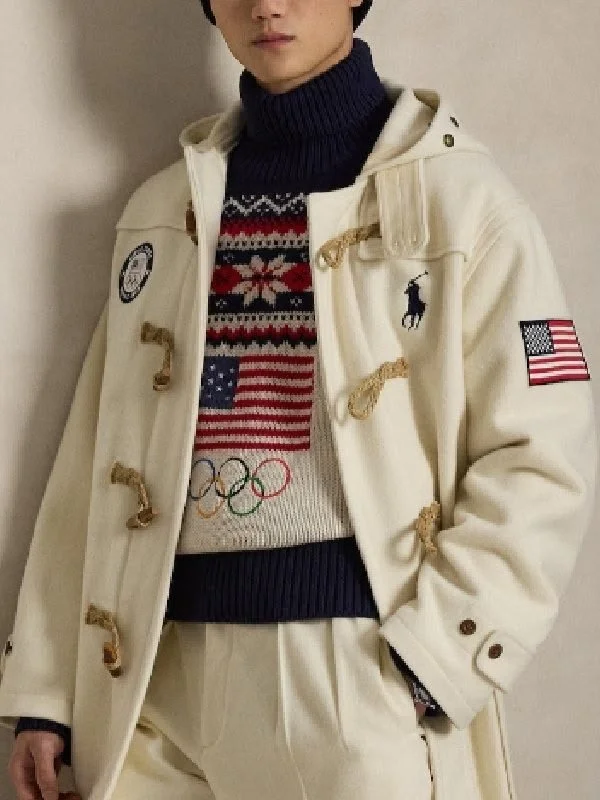
Take Ralph Lauren’s approach for Team USA: a pivot from high-tech synthetics to the world of “Slow Fashion”. They are owning the “Mountain Luxury” aesthetic, delivering hand-knit, vintage-inspired sweaters and Winter White duffle coats that feel more at home in a high-end ski lounge than a standard locker room. The hero of this collection is Shaniko Wool, a regenerative textile sourced from heritage family ranches of the American West. This wool is the definition of quiet luxury—it possesses an elegant and sleek look with a tactile finish that synthetic fibers simply cannot replicate. Because it is RWS-certified (Responsible Wool Standard), the brand is marketing more than just a uniform; they are selling a commitment to restorative soil health. By leaning into this Earth-conscious craftsmanship, Ralph Lauren has created heritage pieces that feel both regal and timeless. These aren’t disposable fast-fashion items; they are heirlooms built for longevity. Beyond the aesthetic, the wool provides high-performance functionality—it is naturally temperature-regulating, biodegradable, and odor-resistant. For the hard-working athletes on the world stage, these pieces offer a high-fashion silhouette that reduces the need for bulky layers, proving that sustainability is the ultimate utility.
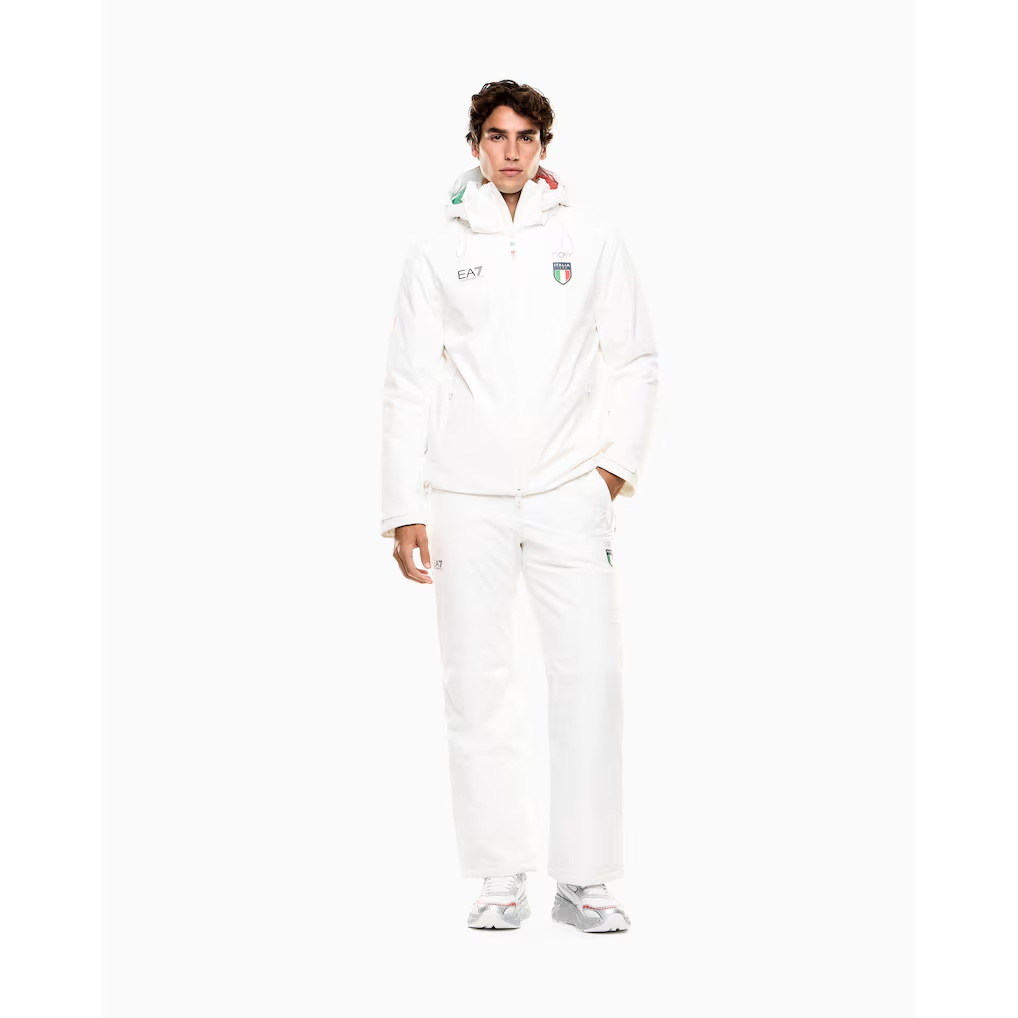
EA7 Emporio Armani is pulling off a similar flex with their latest drop for Team Italia, dubbed “Technical Minimalism”. The standout here is Protectum7, a specialized fabric that represents a massive leap in textile durability. By prioritizing extreme resilience, Armani is directly challenging the “disposable” nature of synthetic athletic gear, replacing flimsy, multi-layered kits with singular, high-performance armor designed to bypass the landfill. The aesthetic direction of the 2026 collection is a pivot toward evergreen luxury. By using a neutral palette and subtle tonal branding, Armani has ensured these pieces remain relevant for years to come. The collection defines Italian chic through shimmering fabrics and tailored silhouettes, while also using Protectum7 to give the gear a futuristic, high-gloss finish that makes every athlete look like an elite style icon in a consciously crafted way. Armani’s ultimate marketing goal lies in the longevity of the garment. These are not mere souvenirs; they are to-die-for investment pieces engineered for a lifetime of use. By merging couture-level craft with industrial-strength textiles, Armani is proving that the most sustainable thing a brand can do is create something so visually and physically enduring that it never needs to be replaced.
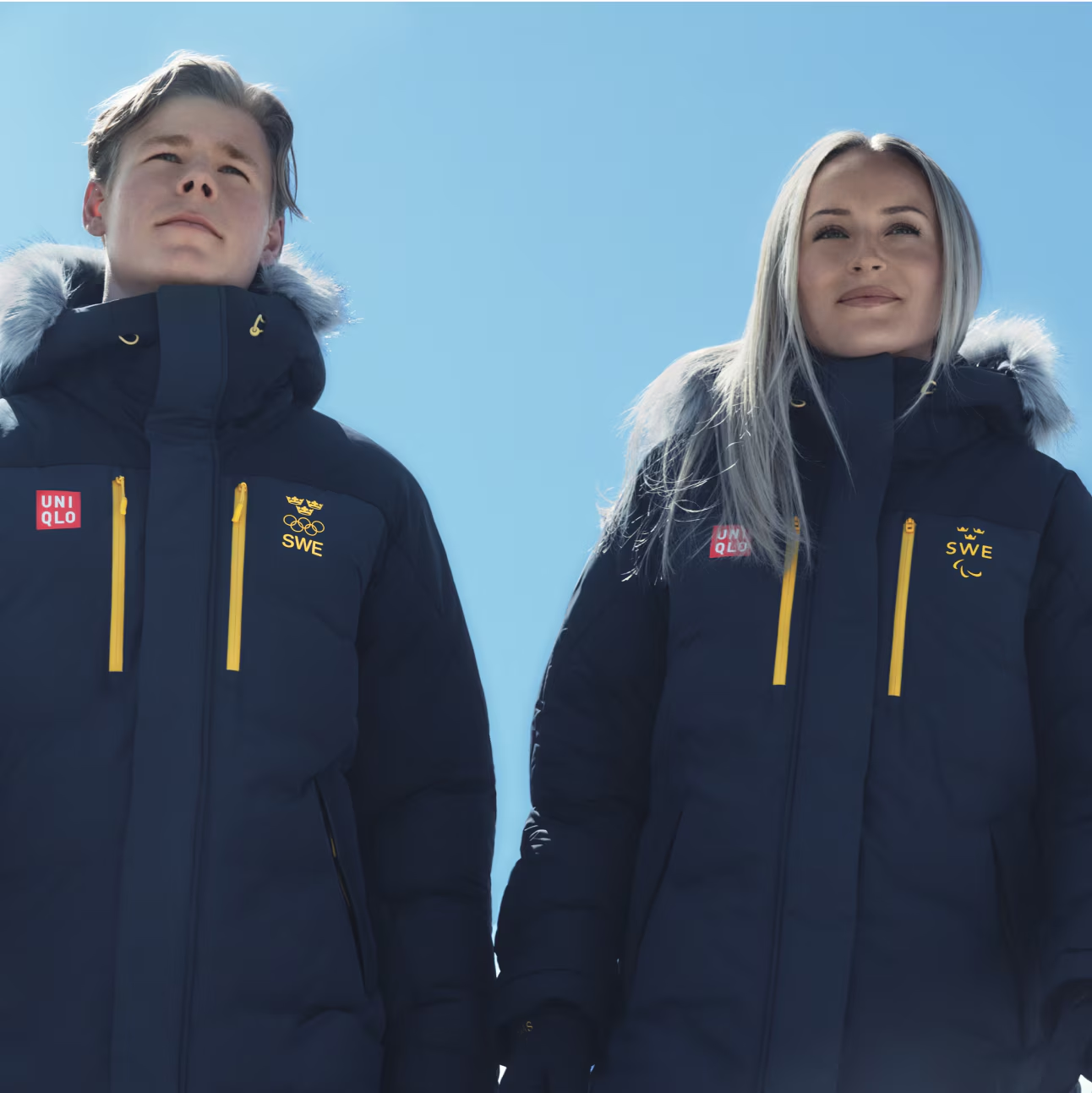
Uniqlo, the global retailer sponsoring Team Sweden, is approaching this in a similar way through their “LifeWear” philosophy. The core mission of LifeWear is to curate clothing that is simple, high-quality, and designed to improve the lives of everyone—mirroring the conscious craftsmanship seen in the Ralph Lauren and Emporio Armani collections.

However, Uniqlo is pushing the boundaries of technical sustainability with its own innovations. Materials in this collection are sourced from low-greenhouse gas emission origins, marking a significant shift toward eco-conscious performance wear. The visual appeal of the collection lies in its clean, futuristic silhouettes. The hero of their outerwear is PUFFTECH, a high-performance padding now engineered with recycled polyester, providing a sleek profile that defies the bulk of traditional winter gear. Furthermore, their hybrid down coats—staples of the collection—utilize recycled down harvested through global garment take-back programs. Uniqlo’s commitment to a seamless, sustainable aesthetic extends to the smallest details; they have re-engineered their hardware, including zippers and sewing threads, to utilize low-emission materials. By blending Swedish minimalism with Japanese textile science, Uniqlo has created pieces that prove high-fashion precision and planet-friendly production are the new industry standard.
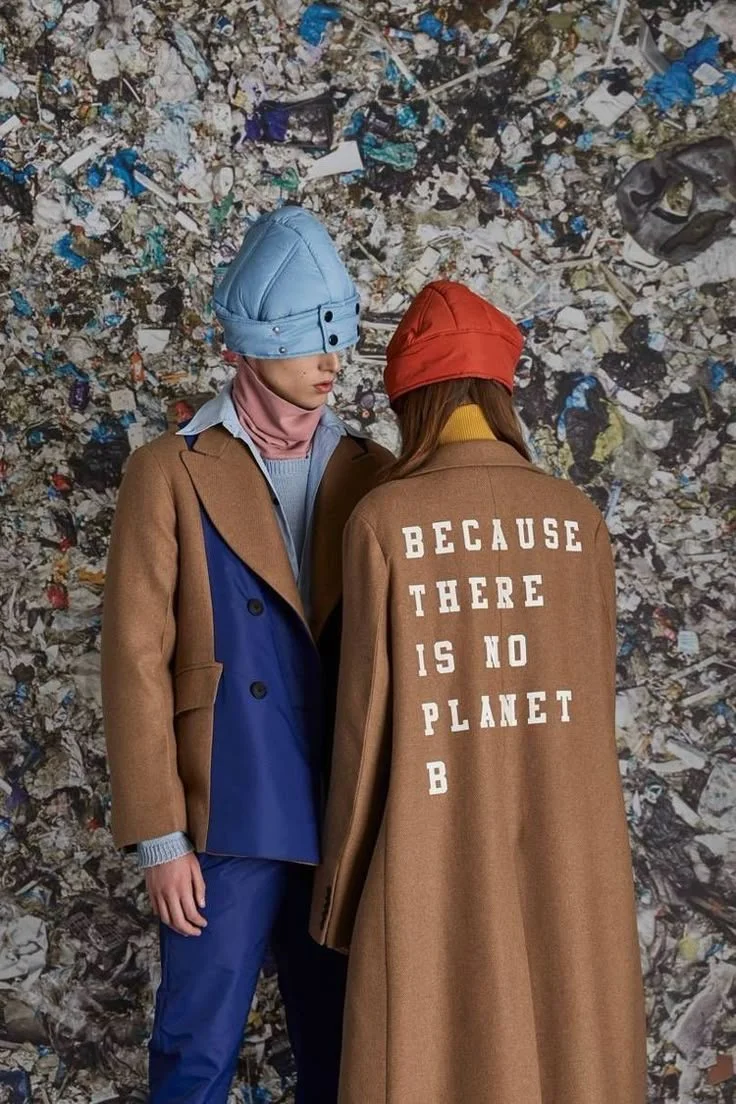
The Milano Cortina 2026 Winter Olympics are making a more profound statement than ever before. While the iconic silhouettes and runway-ready aesthetics remain central to the Games, the narrative now goes much deeper than the visual impact. It isn’t just about the striking, high-fashion appeal of the wardrobes; it is about recognizing that these designers are fundamentally redefining the industry’s global footprint. The most powerful takeaway of 2026 is a new industry mandate: embrace elite style and beautiful design, but demand depth. As we look toward the future of the market, we are challenged to move beyond the surface. We must look into the origin of our garments and the ethical standards of the brands we support. Are these pieces consciously crafted through sustainable innovation? Do they offer textile durability, or are they contributing to the environmental toll of fast fashion through poor craftsmanship and high-emission production? We are currently at a pivotal moment in the fashion industry - a “Gold Medal” era that allows for the best of both worlds. We no longer have to choose between a to-die-for wardrobe and an ethical conscience. By choosing pieces with purpose, we are investing in a future where avant-garde style and the preservation of our planet can exist in harmony.
Edited by Sophie Radbill