
The Invisible Thread: Psychology Of What We Wear
Written by Gabi Beard
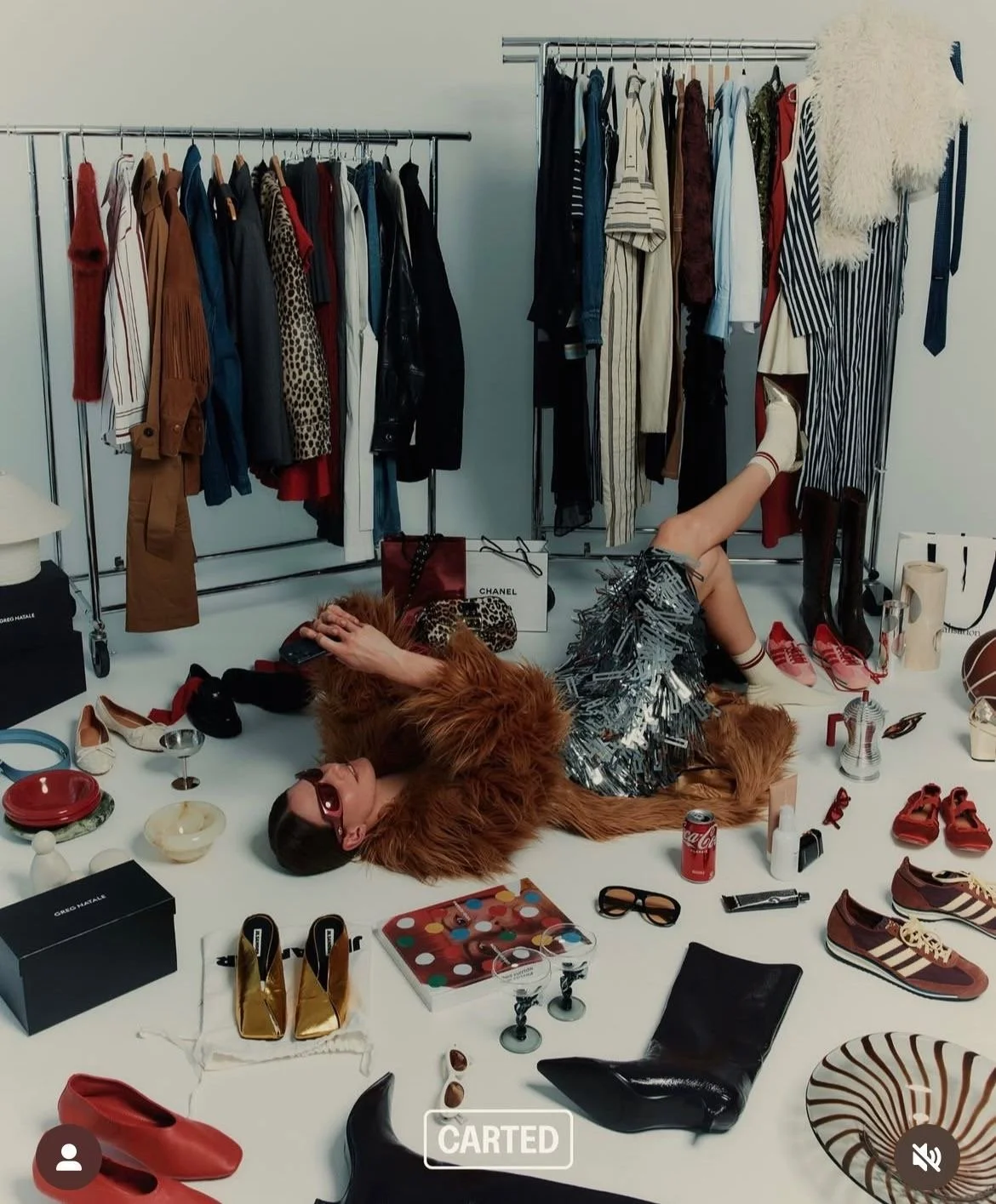
The oversized hoodie phase after heartbreak. Suddenly wearing all black. Cutting your hair and changing your silhouette. Wrapping yourself in layers during stressful days. Reaching for that nostalgic pair of pants during instability. Pulling out bold prints when you feel your most confident self.
It’s the difference between reaching out for a milky pink gloss that makes your lips feel like they’re floating on plush clouds, or swiping on a cherry red shine that tastes like Fruity Pebbles and feels spicy against your skin, a declaration of boldness. It’s slipping into crisp, transparent heels that look like they’re carved from glass, each step sharp and intentional, like walking on ice.
Each accessory, each item of clothing speaks for itself. Each choice, conscious or not, tells the story of how we feel, revealing our inner world through fabric, color, and shape. Clothing isn’t just about what you are wearing – it’s also about how you are feeling. Fashion doesn’t just reflect style; it reflects personality.
Fashion and psychology intersect at an invisible line. The bow tied to your shirt isn’t just a ribbon resting on fabric—it’s a thread that clings to your mental space. Though it sits on the fabric above your chest it’s secretly anchored to the heart, carrying the weight of what you feel. Every knot, every fold, every choice of fabric can reflect an inner version of yourself – your emotions, your mental space, your mood. Our clothing doesn’t just fit our bodies – it fits our minds.
The clothing we choose to wear has a close relationship with our internal emotional state, whether we realize this or not. Fashion holds a deeper meaning than the surface suggests, quietly narrating the story of who we are at any given moment.
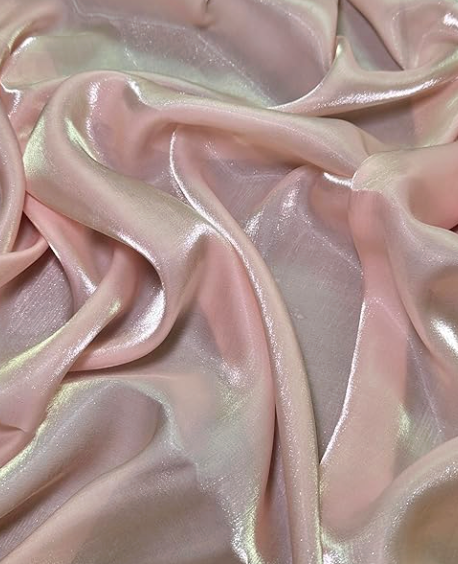
Think of velvet. Smooth, soft, almost comforting. Thick and layered, it can shield us, giving us a sense of protection, like a physical hug for the heart. The fabric represents a sense of royalty, a feeling of elegance. Now think of cotton. Familiar, breathable, classic – cotton is what feels normal, what we reach for when we want to be the simplest version of ourselves. Each fabric we choose becomes a reflection of our inner world. Sometimes we wrap ourselves in velvet when we need armor; sometimes we settle into cotton when we need ease.
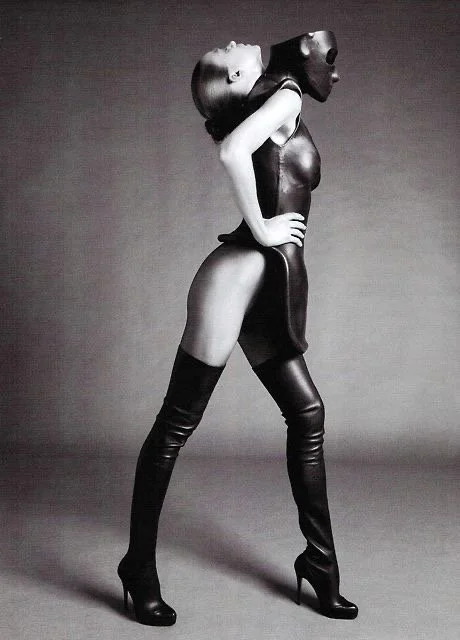
You try this one: think bold, edgy, and, honestly, a little iconic. That’s right! Leather screams confidence, feistiness, and a fierce sexy. It contrasts sharply with silk, with its timeless elegance and graceful delicacy. Each material carries its own emotional language, expressing moods and attitudes we might not even consciously recognize.
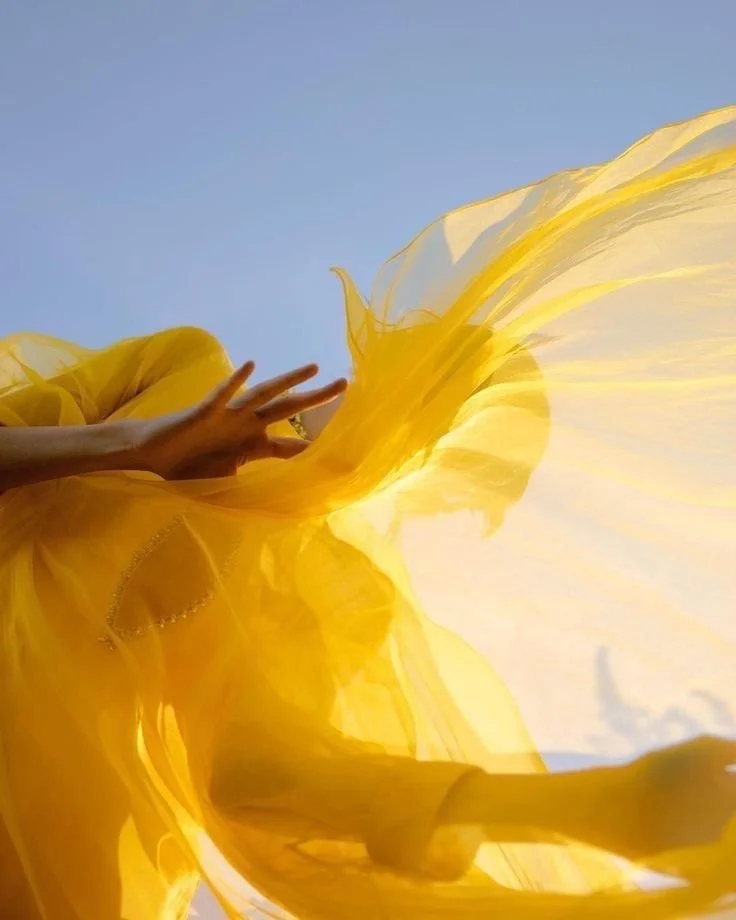
Not only do we dress how we feel, but we also feel how we dress. The flowy, flirty yellow sundress that lifts your mood and makes you feel feminine right before a date. The matching suit that exudes sophistication and structure, making you feel put together and confident on your first day of work. The turquoise top that wraps you in a sense of calm, like floating in the ocean. Those tall platforms that make you feel like you are on top of the world. The way we assemble our wardrobe – and how we choose to dress each day – can shape our mood and influence how we move through the world.
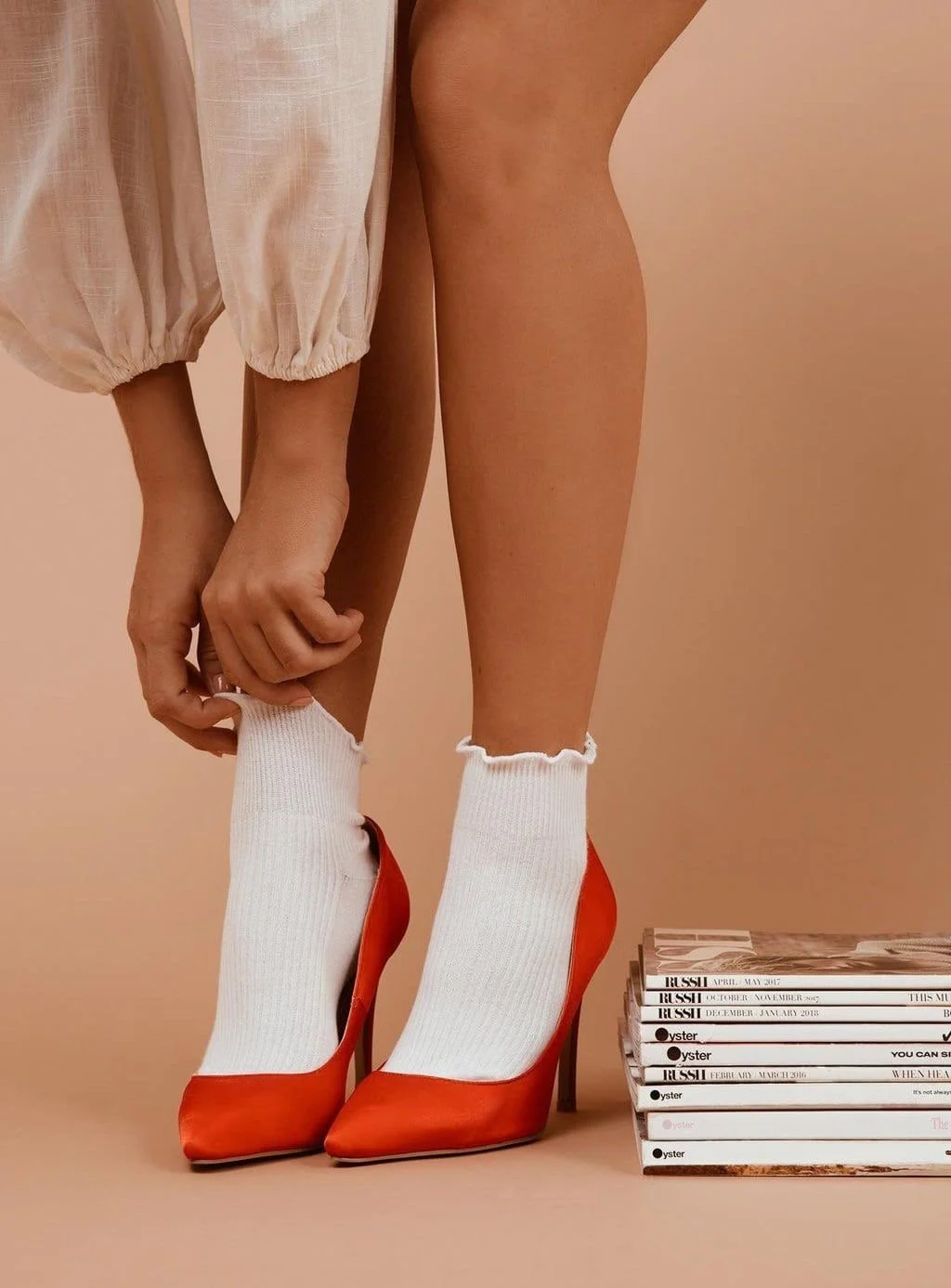
Each phase of your life can call for a new wardrobe era – all of which hold equal meaning and importance. A reinvention or confidence phase might call for statement pieces, bold colors, or edgy grunge. During times of grief or uncertainty, we may retreat into neutral tones, classic cuts, and familiar basics, seeking comfort and grounding in what feels safe.
Next time you look in your closet, ask yourself not only how you’re feeling, but how you want to feel. You have the power to change both what you wear and how you feel. You have the power to become what you wear.
Edited by Ruby Her