
NYFW Fall 2026: What the Runway Revealed
Written by Theron Hilbert
New York Fashion Week! The elusive biannual event that very few get the privilege to attend. We all admire the glamour of the runways and the artistry of the designers, and I’m sure readers of this article are feeling that underlying vein of jealousy toward the lucky audience members. To quell your FOMO, let’s analyze and summarize this legendary showcase of expression and creativity.
This season’s New York Fashion Week Fall/Winter 2026 officially spanned from February 11–16, featuring close to 100 events. The itinerary consisted of runway shows and presentations that came together to chart a broad, diverse, and in many ways politically and culturally resonant landscape. While legacy names and commercial houses certainly commanded attention, the most compelling aspects of this week revolved around who was showing, what they chose to communicate through their runway, and how their work reflected the bigger picture in fashion, culture, and society. Without further ado, let’s begin!
For any fashion week, the established designers act as a sort of baseline. What they choose to present often defines the tone of the season, and this year was no different. However, there were some notable subtleties worth analyzing.
Michael Kors’ 45th Year
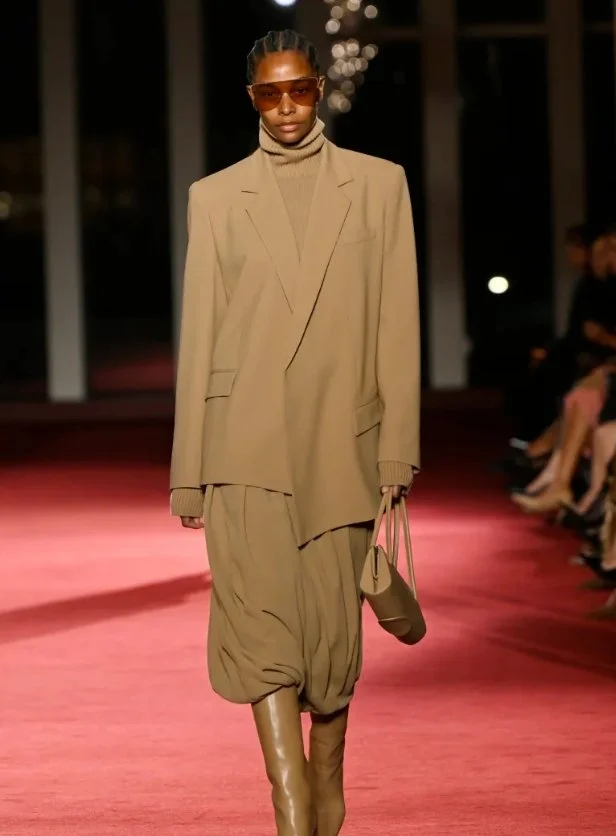
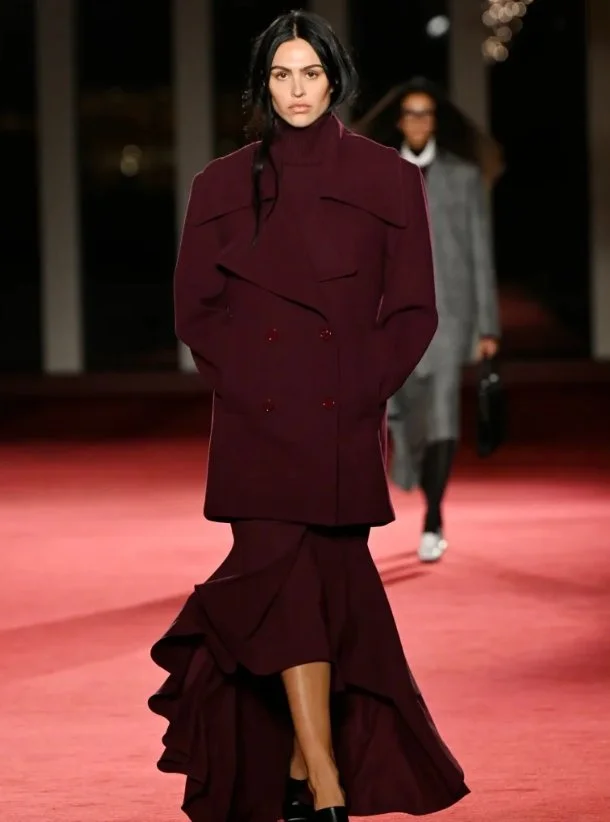
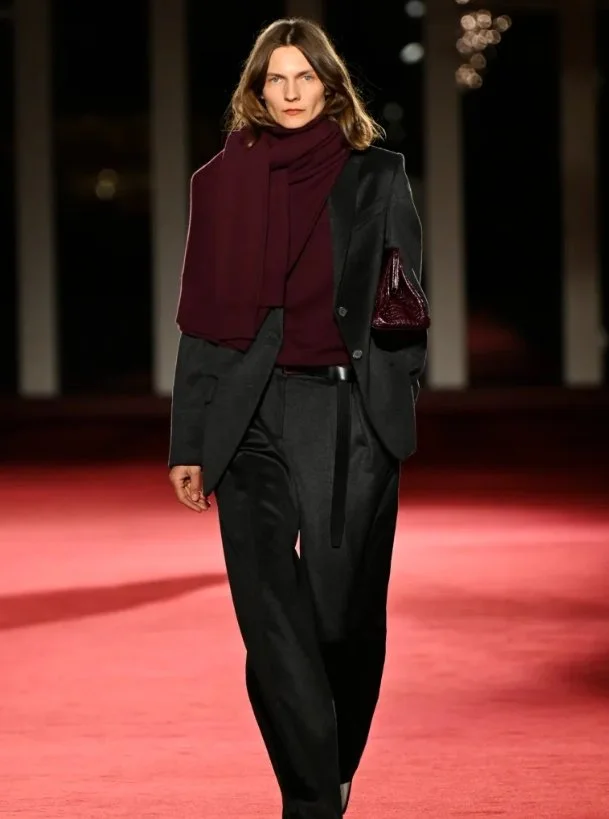
Michael Kors marked 45 years in business with his Fall 2026 show. The collection was unmistakably rooted in the brand’s DNA. There were elements of clean tailoring, a sophisticated palette, and garments designed for real people living real urban lives. There was a clear commitment to the idea of the American wardrobe as functional yet elevated. The runway was draped in clothing that fits within the everyday lives of women who live and work in cities, but who aren’t afraid to express personality through understated refinement.
In its mix of wool coats, tailored suiting, and relaxed yet structured layering, the collection felt like a reminder that enduring fashion still has a place amid rapid cultural shifts. In a week where some designers flirted with experimentation, Kors chose to affirm the value of wearability and legacy craft.
Tory Burch — Material Exploration
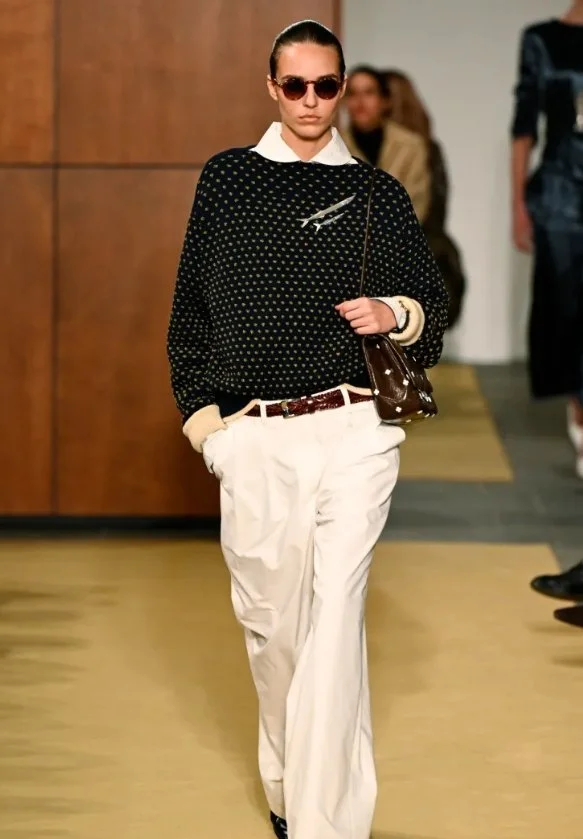
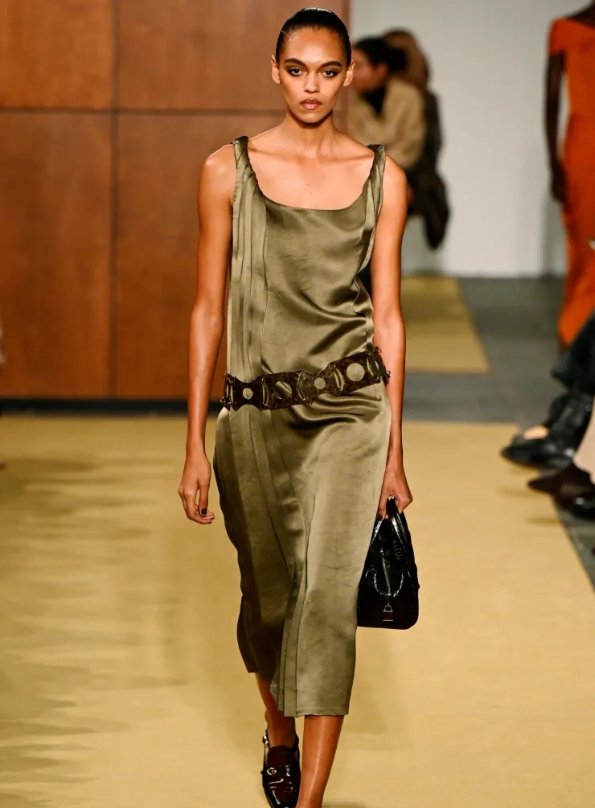
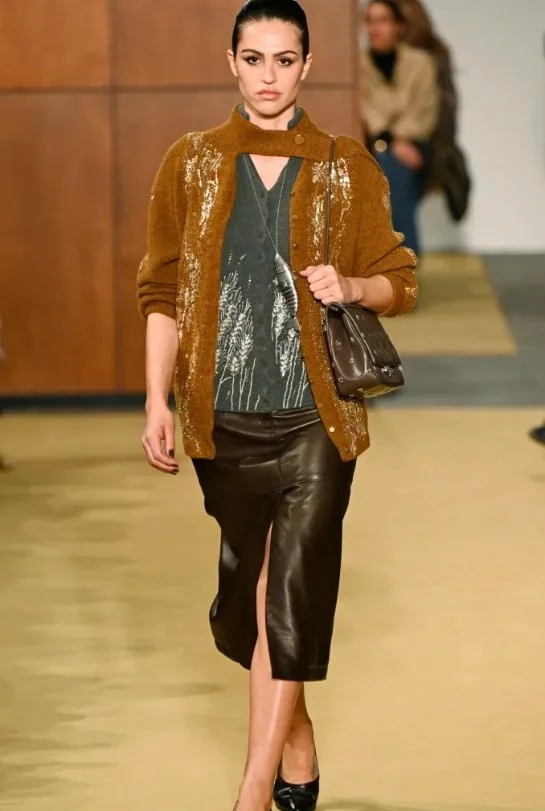
Tory Burch’s show balanced autumnal warmth with a lot of unexpected detail. The ambiance of the show translated into a tactile collection that was rich in texture and cohesion. Sardines, seeming to ride out their small wave of popularity late last year, also made an appearance in various accessories throughout the show. Despite already being a trend in past seasons, I feel like this inclusion isn’t something I would expect of Tory Burch, and it spoke to the idea of risk within commercial fashion. Even established brands can find ways to inject playful narrative into their collections without losing their brand's coherence, which I personally feel like Tory Burch did well!
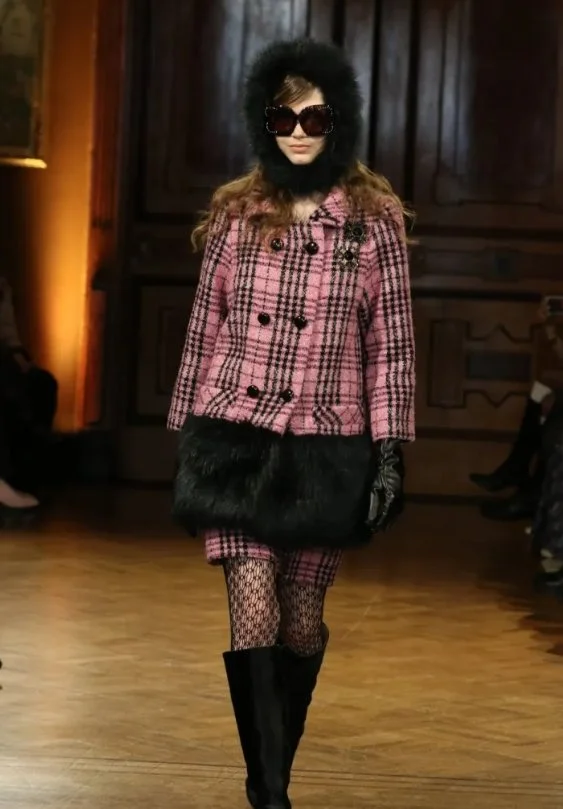
Anna Sui — Bold Florals and Faux Fur
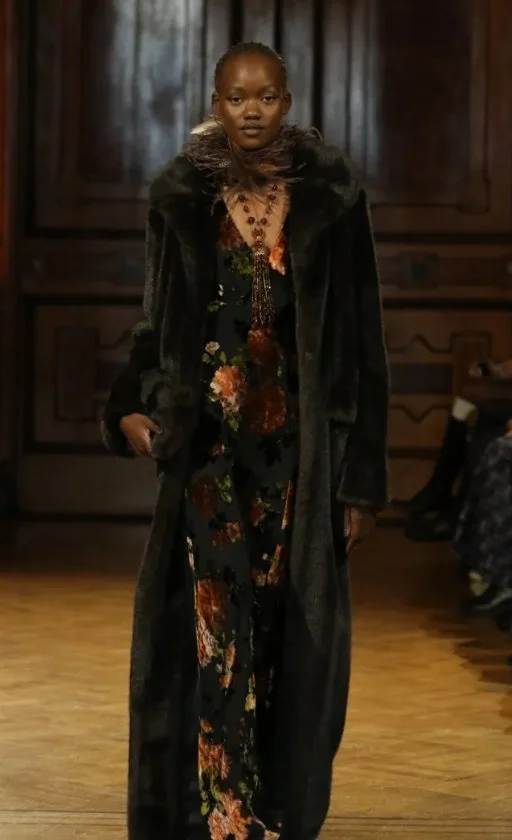
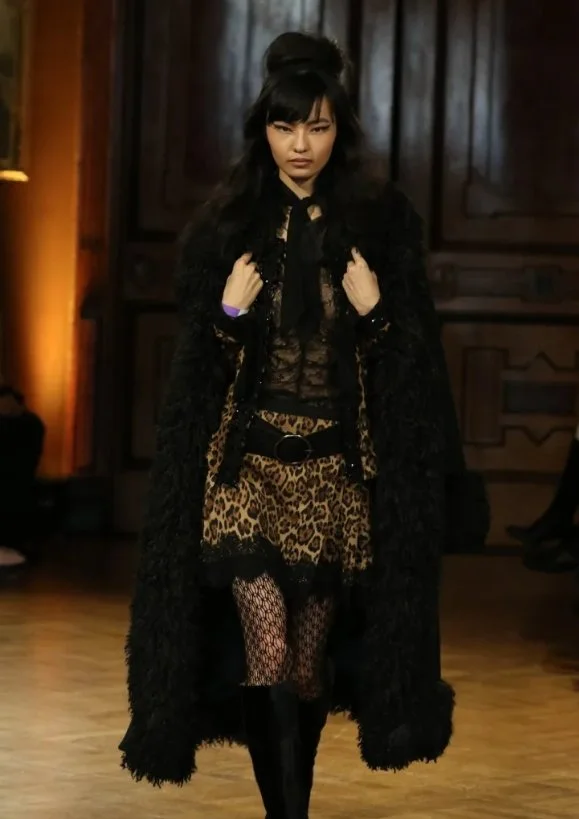
A personal favorite collection of mine! The Anna Sui runway presented a layered, expressive show this season, featuringbold floral prints dominating alongside rich faux fur works. Sui crafted a presentation that leaned into both visual density and emotional texture defined by the celebration of patterns, maximalism, and the pleasure of touch. I feel like this alsoaligns with broader trends showing designers resisting reductive minimalism in favor of tactile richness, and Sui did a wonderful job communicating a confidence that fashion can still be expressive and textured without feeling chaotic or overdone.
Public School — Return and Recalibration
Public School officially rejoined the NYFW schedule after a six‑year absence. Its collection was undeniably urban in sensibility, emphasizing layering, structural outerwear, and proportions that reflect the choreography of city movement. Yet compared to other standout moments this week, Public School didn’t shift the discourse; it reaffirmed its position as a brand rooted in the grit of metropolitan life. However, I feel like they did not fundamentally transform or redefine what it has historically meant. In other words, ‘same old same old.’
Proenza Schouler and the Rise of Rachel Scott
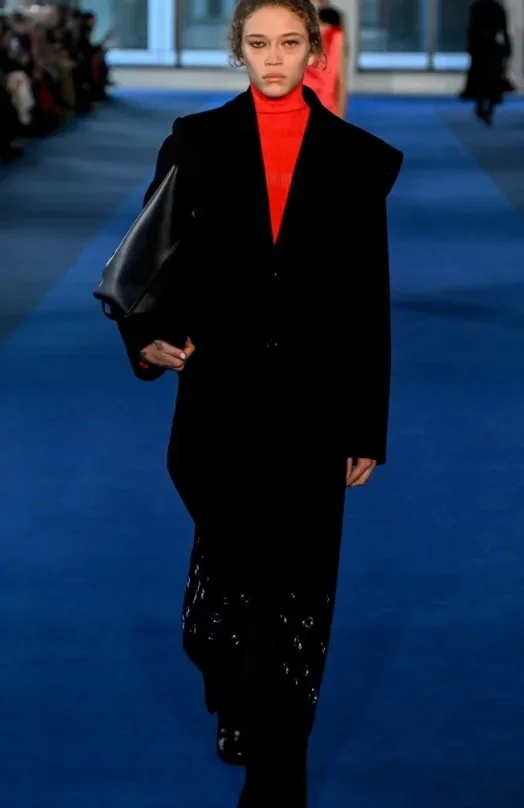
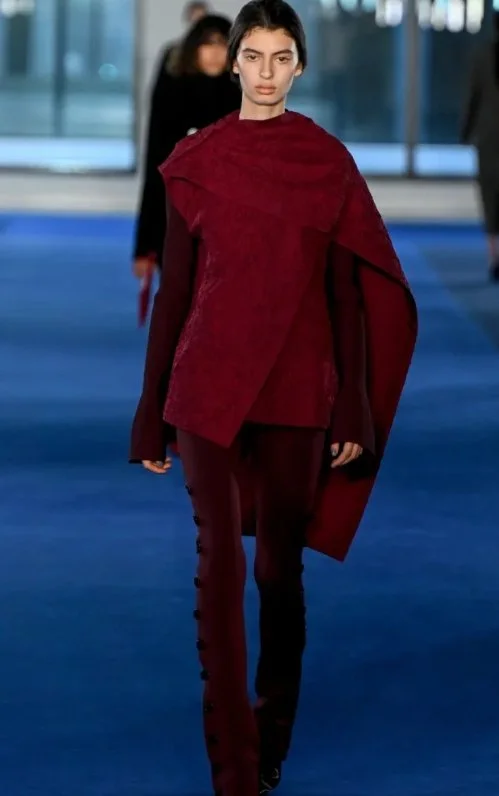
If there was a single runway moment that encapsulated both continuity and transformation at NYFW 2026, it was Rachel Scott’s debut as creative director of Proenza Schouler. Proenza Schouler, historically an iconic New York label founded in 2002 by Jack McCollough and Lazaro Hernandez, has always inhabited a space defined by intellectual rigor and a downtown sensibility.
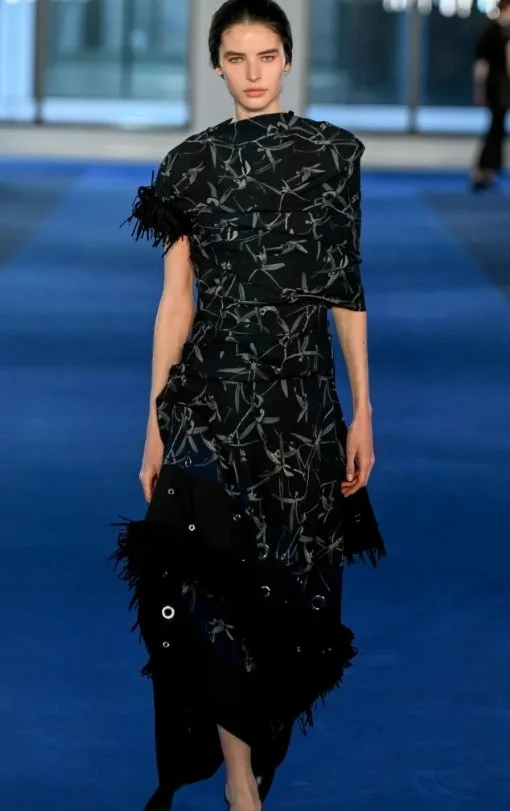
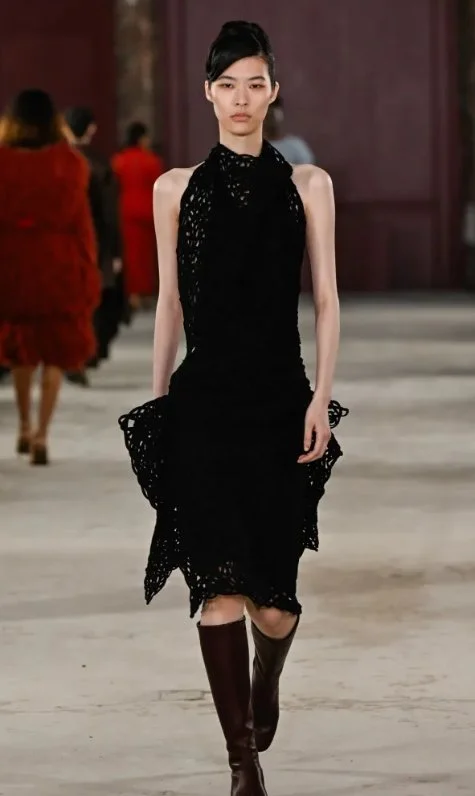
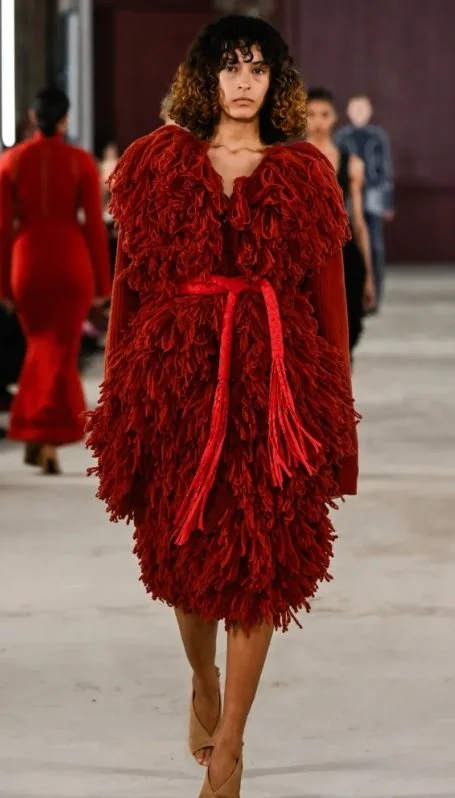
This season, Scott took the reins and presented her first mainline collection for the brand. Instead of defaulting to the brand’s previous codes, she used her dual reputation as both a visionary and an independent designer to redefine what Proenza could be. Her runway featured “women who looked like real New Yorkers.” The show included fluid dresses, sharp yet unrestrictive tailoring, and textures that suggested movement and lived experience. With that being said, I don’t believe that this was a collection built on perfection. Scott embraced asymmetry, slight texture manipulation, and dresses that seemed to belong to busy, fruitful lives.
Her work with a digitally manipulated orchid print (so cute btw), vibrant reds juxtaposed with relaxed tailoring, and even minor references to her own craft background demonstrated a designer thinking about clothes as lived artifacts, not simply symbols of status. These choices signal a significant moment not just for Proenza Schouler, but for the idea of what major American fashion houses can do when led by designers with strong personal language and political awareness.
New and Emergent Voices — A Generational Shift
Arguably the most exciting part of this NYFW cycle was the sheer number of emerging designers! Many of whom brought not only fresh aesthetic ideas, but new cultural perspectives, which is so desperately needed with the asinine amount of erasure happening to practically every sphere of creative spaces.
Diotima by Rachel Scott — A Full Expression of Culture and Politics
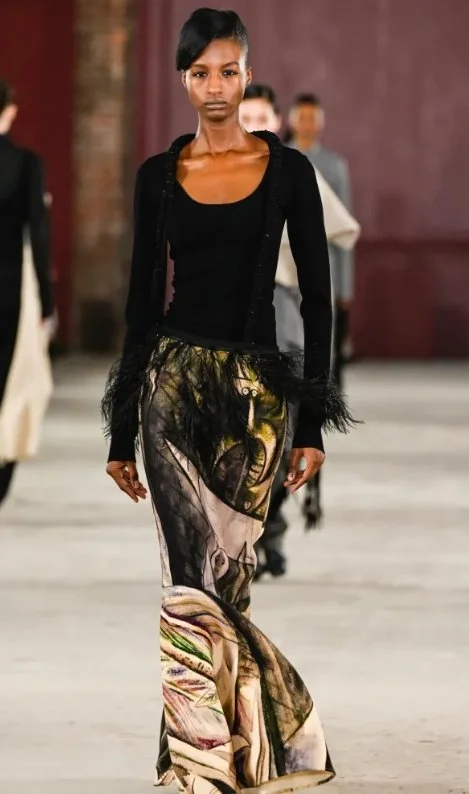
Parallel to her work at Proenza Schouler, Rachel Scott’s own label Diotima delivered a collection that could be described as unapologetically political and deeply cultural. By explicitly referencing Cuban artist Wifredo Lam and incorporating Afro‑Caribbean symbolism and craftsmanship into her garments, Scott used fashion as a vehicle for historical and cultural narrative, not just surface style.
This was more than referencing motifs; it was about translating anti‑imperialist and diasporic ideas into fabric and form. Lam’s femme cheval imagery, which depicts a horse‑headed woman that stands for power, resistance, and mythic presence, became a through‑line in Scott’s designs. The motif was worked in with organza intarsia, jacquard, and artisan techniques that truly amplified the underlying meaning of Scott’s work. She collaborated with the Refugee Atelier, involving refugee women in creating elements of the collection. I believe this choice alone not only spoke to her intended cultural narrative but also the beautiful product that comes from intentional ethical production.
Scott wore an “ICE OUT” pin and publicly criticized industry silence around immigration issues, a gesture that’s become visible across NYFW events this year, with designers, editors, and influencers participating in the movement as a form of protest and visibility.
I loved this show so much because it wasn’t just about clothing; it was a statement about fashion’s capacity to engage with urgent social realities rather than retreat into aesthetic abstraction. We absolutely need to see more of this in more creatively inclined fields going forward.
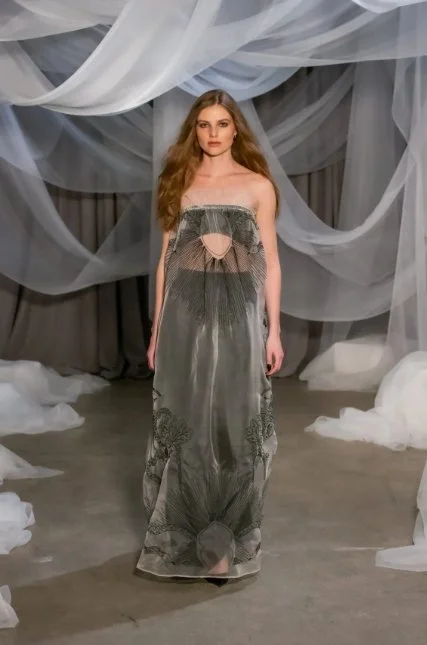
Contessa Mills — Art as Narrative
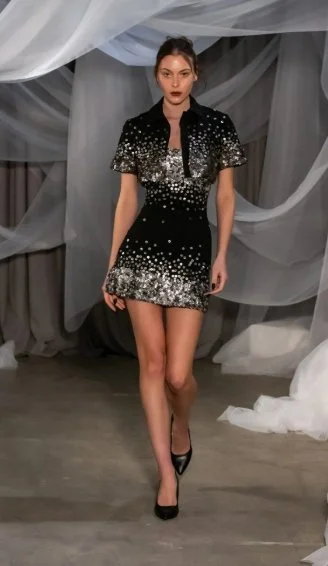
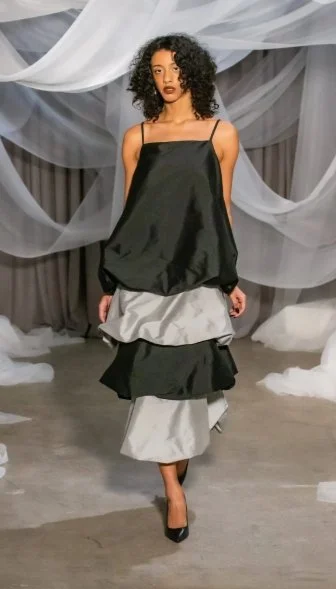
Emerging designer Contessa Mills interestingly used tarot symbolism, specifically the Queen of Cups, as inspiration for this show. Her runway was rich with color and emotional narrative, accentuating garments that weren’t just worn but literally inscribed with meaning. The collection moves with beautiful serenity. The fabrics do most of the talking, and that’s enough. Just see for yourself!
7 For All Mankind — Y2K Reinvigorated
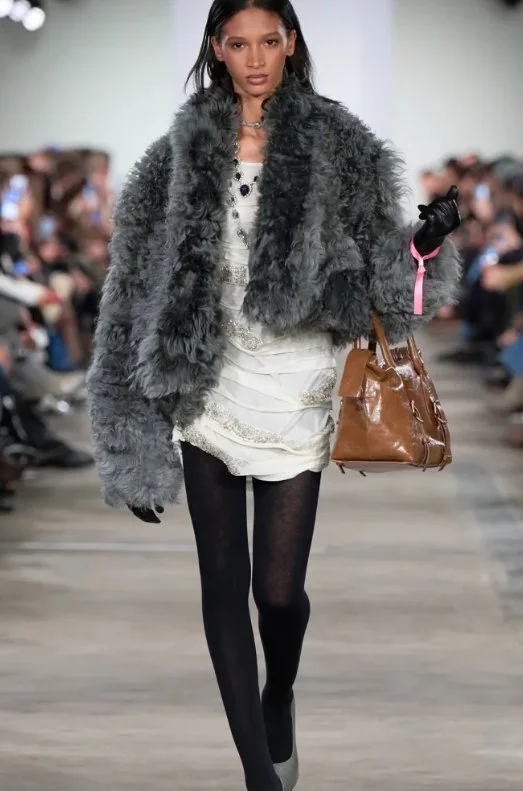
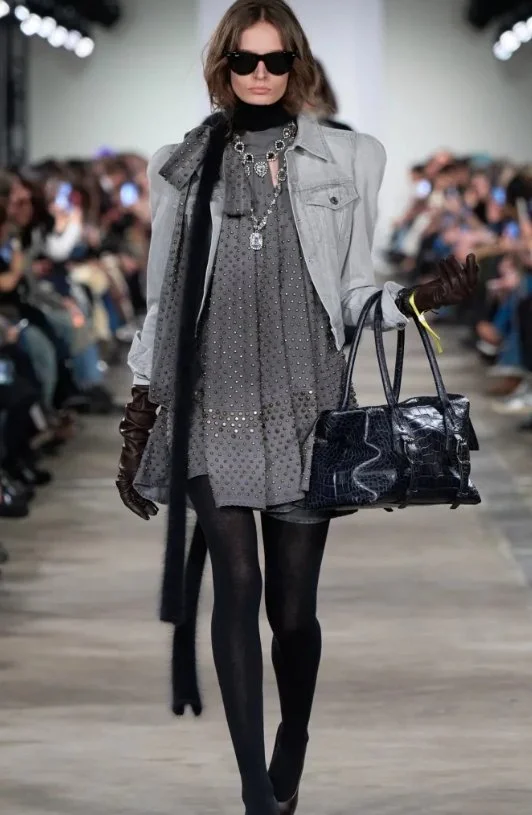
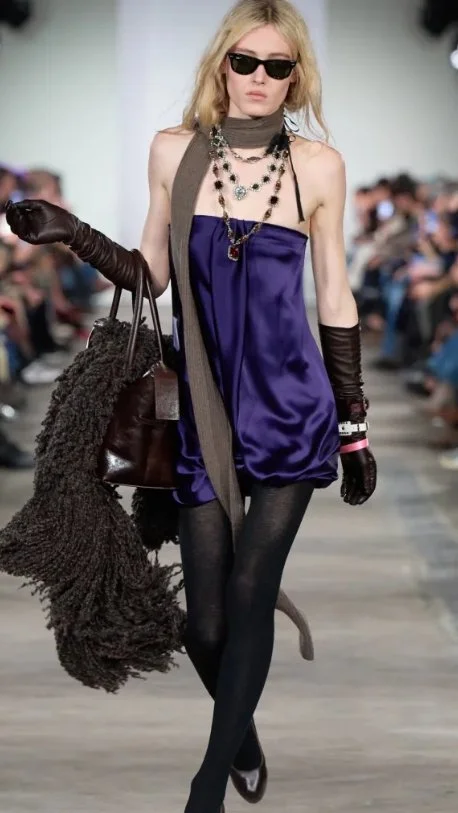
This collection was another one of my favorites. Under creative director Nicola Brognano, 7 For All Mankind made a notable runway debut steeped in Y2K motifs, intentionally nostalgic and incredibly reminiscent of a time I miss all toooften (2011). Skinny jeans, babydoll dresses, layered denim and leather outfits, and accessories like oversized handbags, platform shoes, and layered tees wove a narrative of early millennium style recontextualized for a contemporary audience. I feel like this wasn’t just recycled Y2K trends; it was a collection tethered to how fashion cycles build identity and memory. Brognano’s work reminded us that aesthetics tied to specific eras can be revitalized in ways that feel authentic.
Other Emerging Names Shaping the Week
The breadth of new voices was astonishing, truly. I love seeing fresh new designers getting their chance in the spotlight. Akki, Hilá, Lii, Mel Usine, Ossou, Marina Moscone, and others presented collections that centered personal aesthetics, cultural craft, and a diversity of formal intentions. Many used historic or global references, including but not limited tomedieval art, Latin American crafts, and East Asian structural influences, adding much needed depth and cultural representation to the city that emulates diversity best.
Notable among these were designers like Raúl Peñaranda, whose “Noches de Bolero” approach blended musical nostalgia with contemporary tailoring, and Dwarmis, whose Dominican heritage was expressed through warm textures ideal for the upcoming seasons.
Trend Currents — What the Clothes Themselves Showed
Beyond individual designers, NYFW Fall 2026 revealed some meaningful currents in garment language:
Necklines and Structure: Tall, stand, and funnel neck silhouettes recurred across various collections, suggesting a collective interest in architecture and protection within garment form.
Brooch and Accessory Revival: Designers like Tory Burch, Ralph Lauren, Sergio Hudson, Coach, and Sandy Liang demonstrated a renewed focus on brooches. These were never displayed as retro gimmicks, but as intentional adornments integrated into scarves, lapels, and even fastenings.
Color Palette Shifts: Deep jewel tones (especially eggplant purple) appeared across multiple runways, infusing traditional fall palettes with modern vibrancy.
Leather and Lace Fusion: Several designers explored the provocative balance of soft and strong materials, making leather vs lace a thematic byproduct of dual aesthetic impulses.
Multicultural Narratives in Design
Many of this season’s most talked‑about designers are women of color or from historically marginalized backgrounds. Rachel Scott (Jamaican‑born and well-travelled between Europe and the U.S.) used her platform at both Proenza Schouler and Diotima to bring Afro‑Caribbean and diasporic references into mainstream conversation. Her work with Cuban artist Lam explicitly connected fashion to broader cultural histories rather than relying on fashion as purely stylistic display.
Designers like Raúl Peñaranda and Dwarmis, rooted in Caribbean and Latin American heritage, brought deep regional storytelling onto the runway rather than generic or aestheticized “exoticism.” Their presentations reminded the industry that gesture and materiality can carry cultural specificity without being appropriative.
The runway calendar also featured a number of designers whose backgrounds reflect a wide spectrum of experiences, from first‑generation American aesthetics to global perspectives that intersect multiple cultural lineages. Their presence, and the attention they received, point toward a more inclusive runway tradition, one that values source and context as much as silhouette. Hopefully, we will see more of this in upcoming NYFW from this point forward.
Social and Political Visibility
The prominence of the “ICE OUT” movement, pins worn across front rows, backstage, and even integrated into runway narratives, marked a rare moment in which fashion week wasn’t just about clothes but also about calling attention to issues of immigration, human rights, and cultural visibility. Designers and editors alike participated in this movement as a way of reaffirming fashion’s relationship to lived social realities rather than relegating political expression to the margins.
Industry Context and Structural Shifts
NYFW Fall 2026 took place under complicated economic and geopolitical pressures: tariffs, recessionary signals, corporate bankruptcies (notably Saks Global), and conversations around sustainability and technology integration.
Many designers reacted conservatively, focusing on wearability and market relevance, but others used this moment to ask deeper questions: about cultural representation, political narrative, and fashion’s role in society. The emergence of programs like the Innovation Hub pairing designers with AI tech reflects a collision between creativity and market conditions, though many in the creative community remain skeptical about how reintegration of tech meaningfully supports artistic integrity (including me.)
Whatever one’s position on these issues, the combination of diversity, political engagement, and each designer’s genuine love for the art that is fashion suggests that NYFW 2026 wasn’t just a season of creative output, it was an event shaped by the world outside the runway.
Conclusion
Fall 2026 was not a tame season defined by one clear trend or a handful of safe innovations. It was, instead, a compelling tapestry of voices, some rooted in legacy, others emerging for the first time, and many of them communicating cultural, political, and aesthetic dialogue with tangible depth.
What unfolded this season wasn’t just a parade of garments, but a collision of lived experience, cultural memory, and creative intent. It suggested that fashion’s real power lies in its ability to register the world around it, and to answer back. Hopefully, this analysis helped to quell your FOMO. See you next season!
Edited by Greta Felton