
A Wickedly Whimsical Wardrobe - An Analysis of the Fashion Choices in Film Production; "Wicked: For Good"
Written by Bailey Young
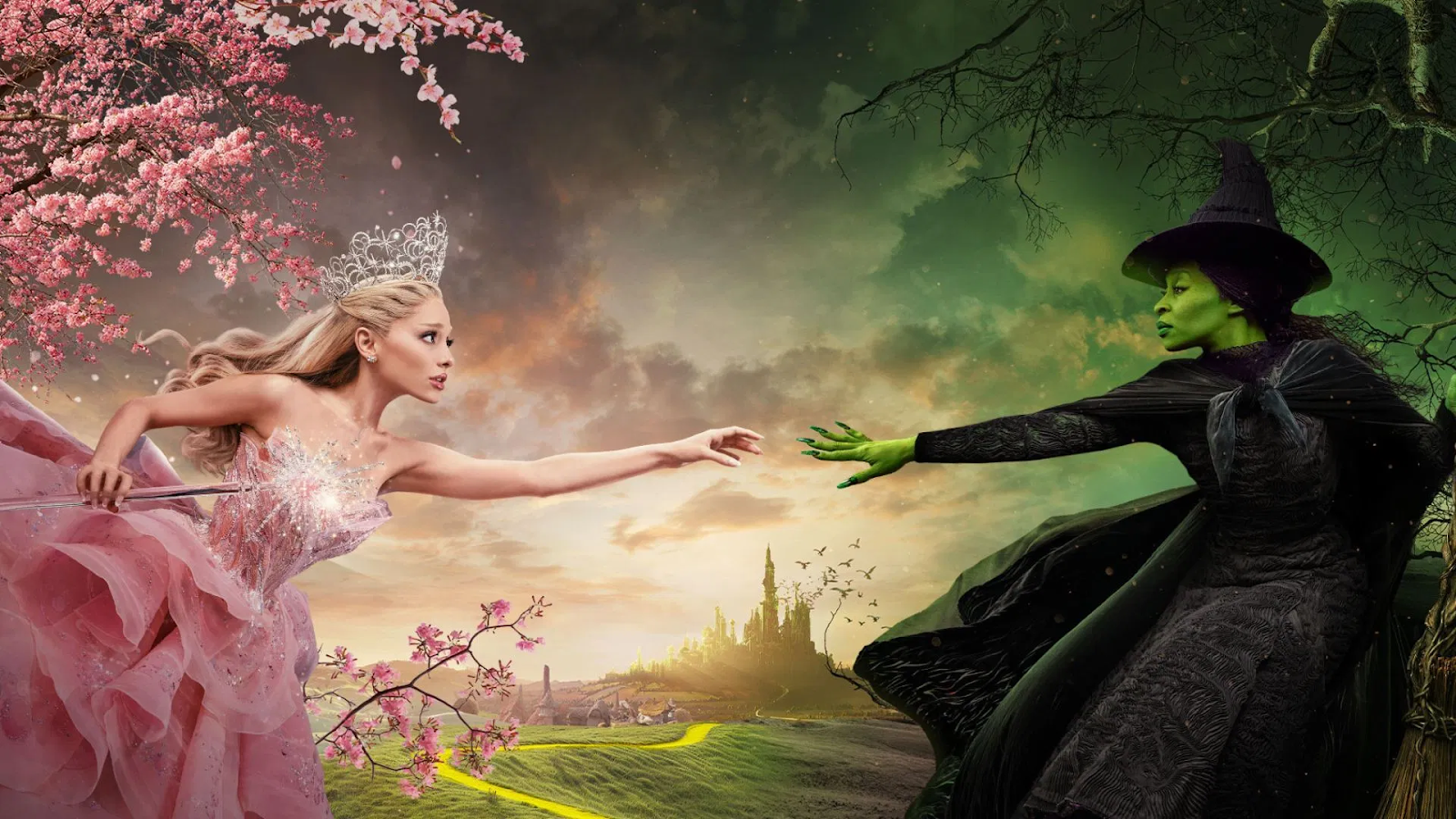
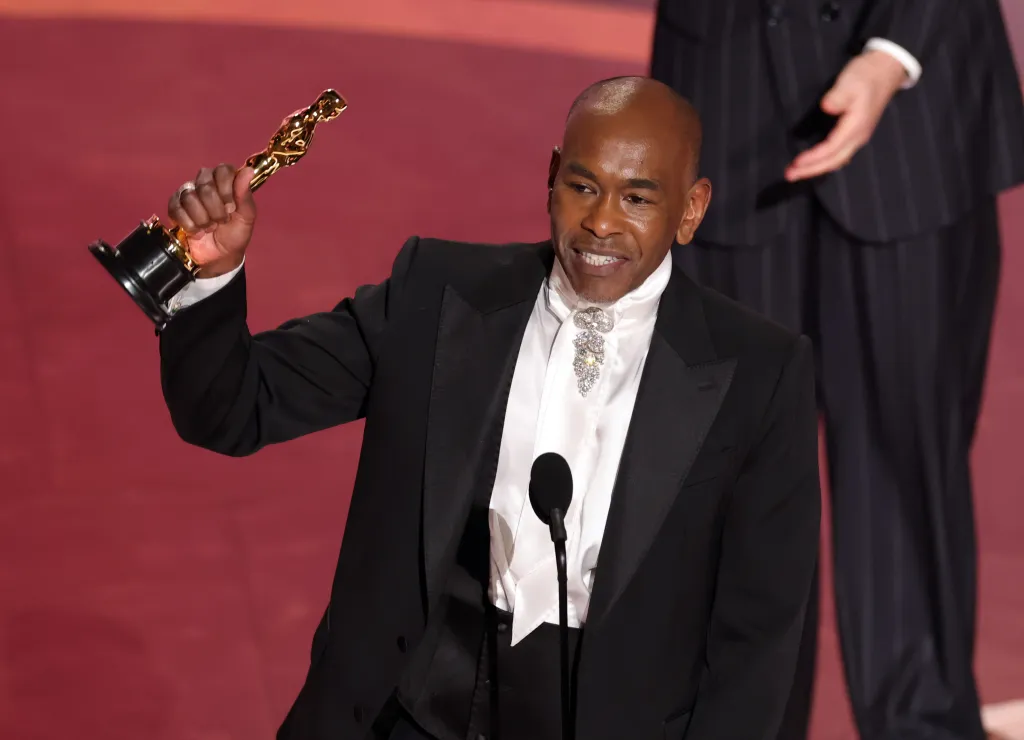
Released on November 21st, 2025, Wicked: For Good has taken over screens and hearts around the world, quickly becoming a top ranking film in just one weekend. It is no surprise that the enchanting story of friendship, told through impeccable musical numbers, has “Defied Gravity” at the box office once again. Hidden in the complex formation of the film lay the fashion choices that reflect the characters emotional states and their relationship with society and perceptions of themselves. Costume designer, Paul Tazewell, is the mastermind behind it all. Tazewell claims that his job as a costume designer is to “create a silent narrative that gives a character a backstory.” Without these distinctions between wardrobes, the characters in, Wicked: For Good, would lose both the implicit and explicit narratives that differentiate and define them. Specifically, the contrast, combined with familiarity, between Elphaba and Glinda’s fashion sense directly correlates to how their differences in character encourage the other to be open to opposing ideas.
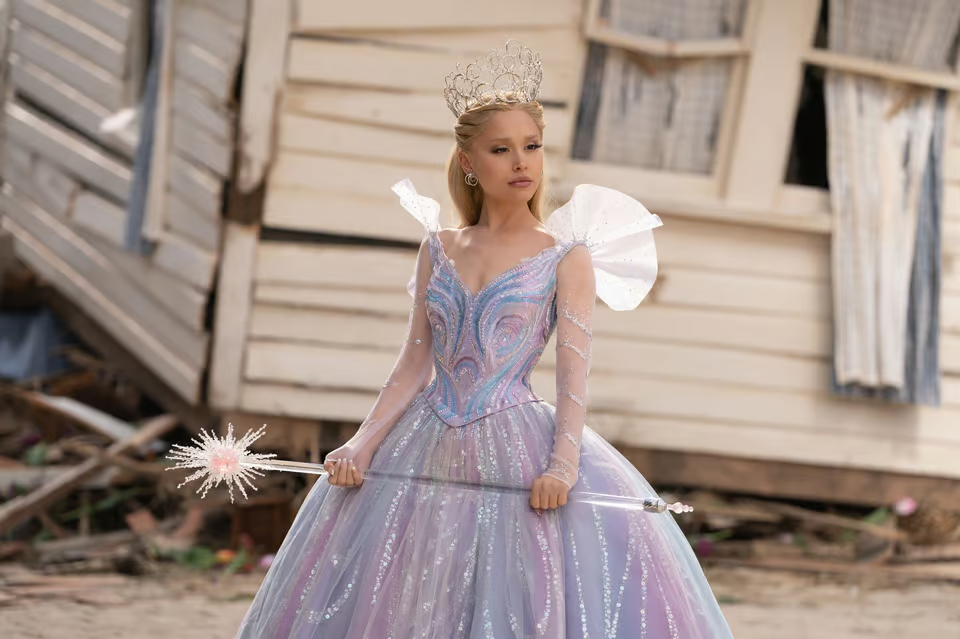
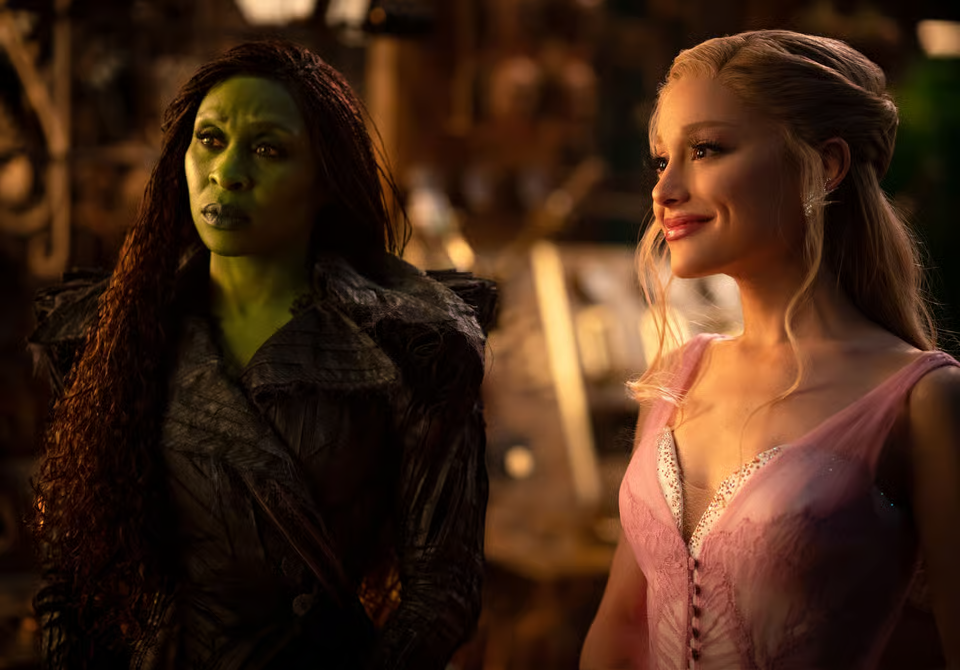
Glinda’s signature silhouette of a structured corset bodice followed by a bubble-like skirt, detailed with glittery embellishments is nothing short of a masterpiece, and it has a backstory. The airy and glamourous structure of Glinda’s gowns, worn for the majority of the film, represents her whimsical and dreamy nature. To develop her character further, Tazewell chose to intertwine femininity and a sense of powerlessness into Glinda’s gowns. Glinda’s outfits are so over the top because she has to stand out. Glinda strictly dresses in colors like pink that differentiate her from the rest of Oz and develops her personal brand of “Glinda The Good Witch.” The feminine aspects of Tazewell’s designs, such as the bubble skirt, glitter details, and pink accents, paint Glinda as an innocent, popular, bubbly, good-hearted girl whose fatal flaw lies within her inability to resist praise. Throughout Wicked: For Good, we watch Glinda waver between doing what is morally correct and what is expected of her as a public figure. Glinda’s character is portrayed as a facade of goodness that is built on lies and corruption. The corseted bodice of Glinda’s gowns represent her inescapable entrapment within Oz. They reflect her unhappiness and emptiness as the story unfolds. The corset serves as a double edged sword. While it represents her confinement within Oz, the corset also speaks to how Glinda is trapped within the tragedy of her own decisions. With her gowns emulating Marie Antionette, Paul Tazewell declares Glinda's status of being, “caged like a bird.” The biggest change in Glinda’s fashion choices is when she removes the tiara that upholds her status, and trades it in for Elphaba’s black boots and cloak. Not only does this represent her channeling Elphaba, but it is also a testament to her evolution as a character. By swapping a dazzling tiara for an old pair of boots, we see Glinda shift from a more materialistic and fame focused mindset to an empathetic and courageous friend. The stylistic changes of Glinda’s outfits reflect her character's self discovery and ultimate redemption in the film.
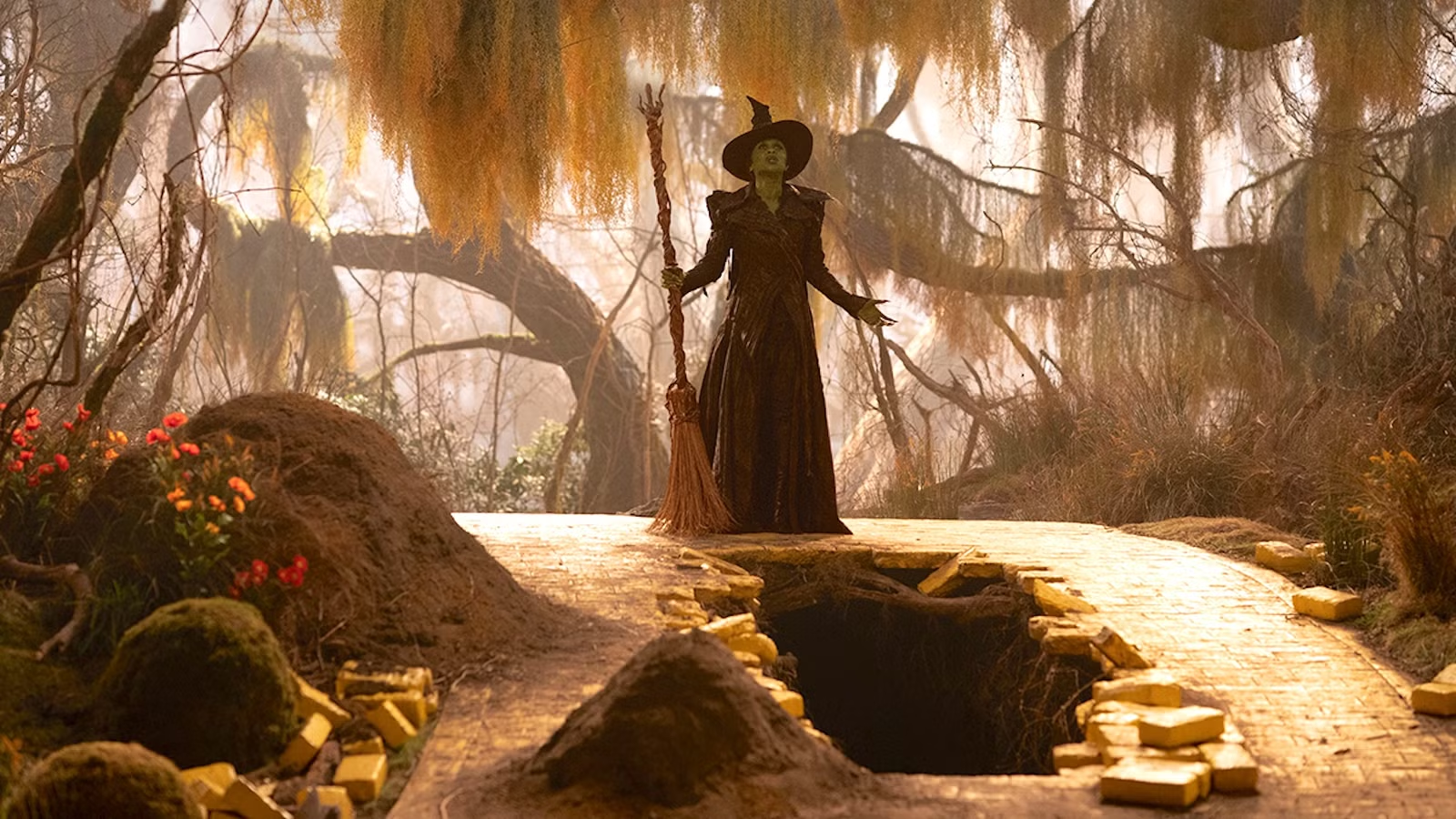
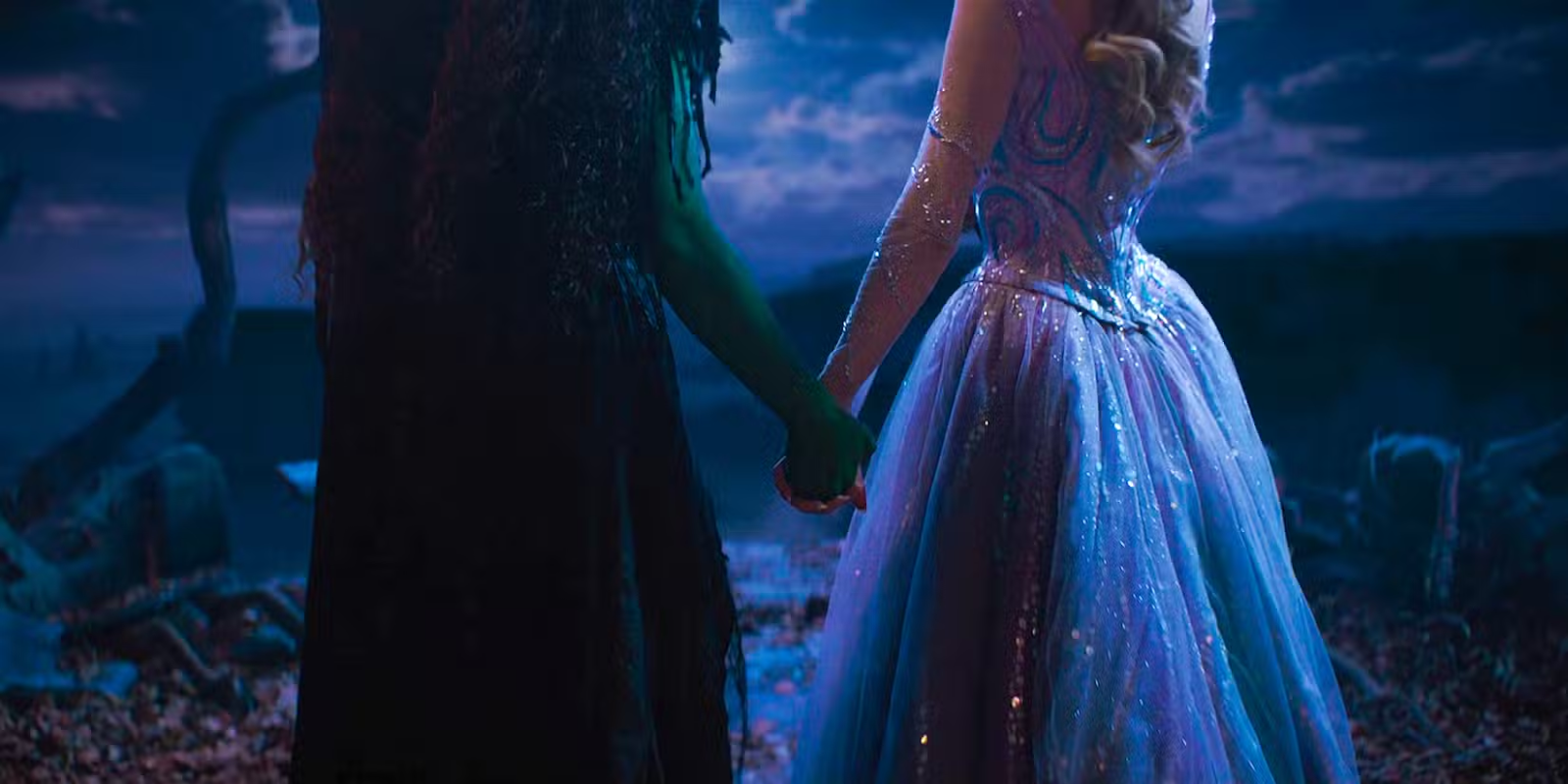
Elphaba is quite the opposite of Glinda when it comes to fashion, but their mirrored silhouettes and uniqueness prove their journeys to be inextricably intertwined. Elphaba chooses to wear powerful black gowns, further succumbing to her title of “Wicked Witch.” This, along with her green skin, makes her character stand out. Just like Glinda’s pink and glamour, Elphaba’s fate is closely tied to her appearance, but in a much more negative way than Glinda. When the two are together, we see their silhouettes compliment and mirror each other, emphasizing their desire for reconciliation. Elphaba’s outfits resemble elements of the nature she is surrounded by, along with the animals she lives to protect. This highlights Elphaba’s inherent goodness in comparison to Glinda, as she is literally wearing her values on her sleeve. The most obvious differences in their styles serve to explain the complexities associated with merging two different worlds together.
One thing about fashion is that it is subjective. Pieces that might seem like they would never work together may surprise you. There is excitement in exploration, and understanding differences. Just like Glinda says, “pink goes good with green.” Two colors, although so different, complement each other. In other words, two people, seemingly the opposite of each other, find ways to bring out the best in each other. And together, they are unstoppable.

Edited by Isabella Zapata, Ava Palmieri and Claudia Rothberg