
Walk Up Madison Avenue With Your Resume
What a Calvin Klein merchandiser taught me about getting in the room
Written by Izzy Kiekhofer

In 2019, fresh out of high school, Clay Lute moved to New York City with a resume and no shortcuts. He had spent his high school years working at Target, and in New York he took a job at J.Crew on the Upper East Side. Then he did something I haven’t stopped thinking about: he walked up and down Madison Avenue with his resume in hand, asking for a chance.
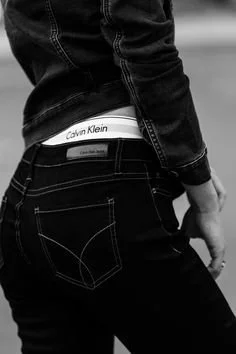
Today, Clay is a Global Merchandising Manager of Men’s Denim at Calvin Klein. I sat in with him as he talked to The Vault about his career path, and the conversation changed how I understand the fashion industry and the path that leads into it.
In this article I focus on everything from how a season of fashion is built to how a stranger can become a colleague.
1. The Role: Merchandising Is The Glue
To fully understand Clay’s advice, you first have to understand his job. He describes merchandising as “the glue,” the function that holds design, supply chain, sales, and regional teams together.
“No two days look alike” he says, but they tend to include:
Reviewing sales, performance, and business trends
Meeting with consumer trend analysts
Working with market leads, mostly designers, to build out the season
Creating line plans, which answer one question: what should the designers actually be making?
The timeline is what surprised me most. In October 2026, Clay is working on Fall 2028. Merchandisers operate roughly two years ahead, drawing on WGSN forecasts (already reporting on Spring 2029) and the runways to anticipate what people will want to wear.
So how do you predict something that far out? Clay’s answer wasn’t a spreadsheet.



2. The Source: Paying Attention to People

His greatest source of inspiration is people, “in the broadest sense of the word.” The rest of the world, he told me, usually knows what’s cool before the industry does. That is how the straight leg jean made its comeback after all. He finds ideas in museums, in bookstores, even in boiler rooms, anywhere he can watch how people act, shop, and create.
This habit of his constant observation leads to the question at his work’s core: whether a brand truly understands the people it serves.
3. The Balance: Loyalty and Reinvention
For Clay, understanding the customer is a balance between loyalty and brand image. On one side is the customer who has shopped with a brand for a hundred years and knows what to expect. On the other is the customer the brand hopes to become. His test is simple: stand in the store and ask whether the people shopping there are reflected in the product.
To keep that balance honest, he relies on Gen-Z advisors, such as himself, and reverse mentors. He also spends much of his time in conversation with regional partners and account heads who see how trends shift around the world.
Just as important, he looks backward. Calvin Klein has saved almost everything it has ever made: old tags, hang tags, outtakes from campaigns. “We have to analyze the archive,” he said, and he meant it literally. The archive keeps the brand’s idea alive.
The principle underneath all of it applies well beyond fashion:
“You have to be able to admit that you were wrong, and then learn from your mistakes.”

4. The Path: How the Door Opens
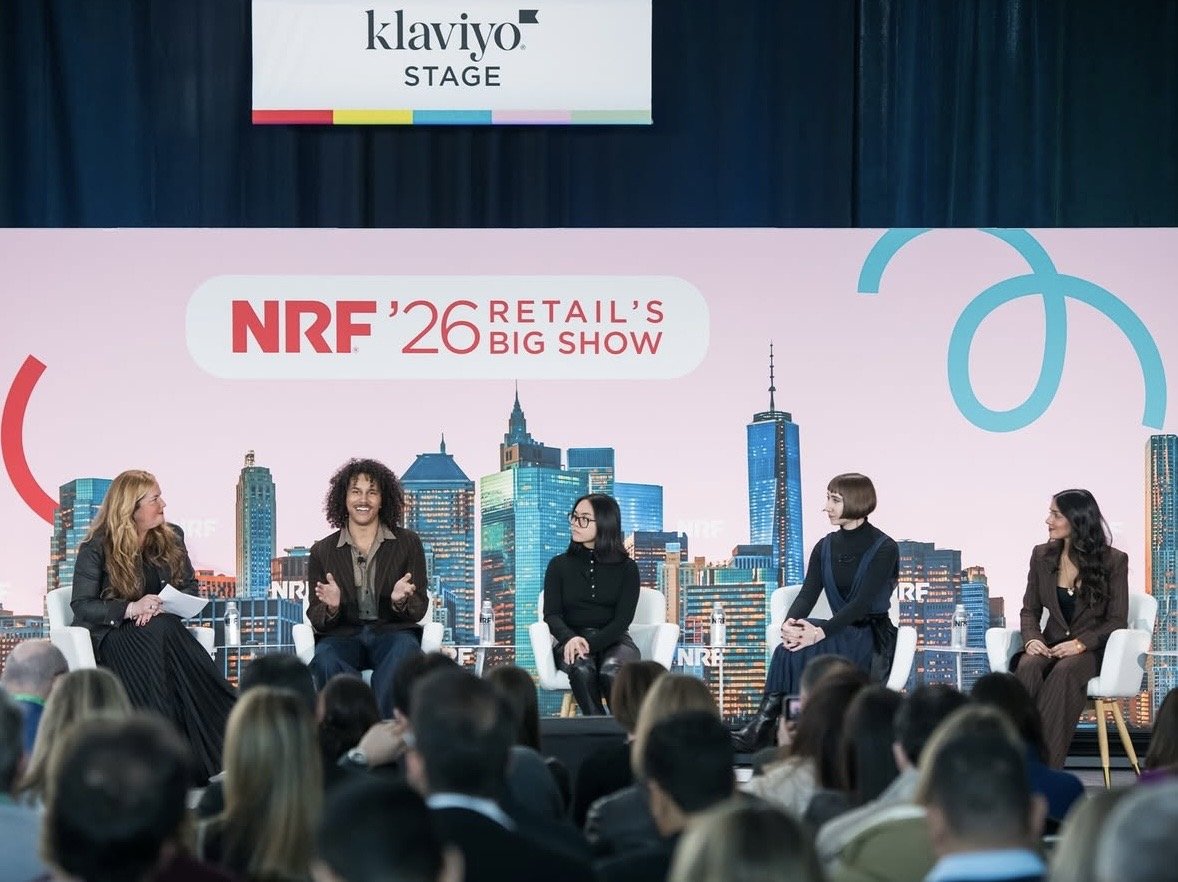
That openness to learning shaped how Clay built his own career. Internships, he said, were a massive part of his trajectory, and his advice is to try multiple industries. He searched through Handshake, LinkedIn, local job sites, and even keyword searches for Facebook groups.
Still, he was clear about where the real opportunities come from:
“Word of mouth from people that know who you are and know what reputation you have.”
That is how he earned an interview with his favorite designer, Todd Snyder: he knew someone who knew someone.
He also told me what he does when no one is watching. At the start of every season, fashion companies build a 100-to-200-page deck. Clay asked to help make the company he was working for “genuinely interesting”, and he did it on his own time. That is the thread running through his story: he goes the extra distance when nobody is checking.
Because relationships carry so much weight, his advice on networking was the part I bolded first in my notes.
5. The Method: Networking, Without the Transaction

Cold email, but with intention. Write to one person on a team, with a specific vision in mind. It may not work. Try anyway.
Play the long game. After you meet someone, stay in touch for a full year before you ask for anything. Send a note on holidays and birthdays, or a message when their brand does something great.
His rule for all of it:
“Make it familial, not transactional.”
Once you have earned the conversation, though, you still have to make it count on paper.
6. The Pitch: You Have Ten Seconds
Clay spends ten to fifteen seconds on a resume. In that time, he wants to see what you do and who you are. He calls it a byline: “what do you want someone to associate with your name?”
A few principles follow from that:
Experience matters more than your major. Connect what you’ve done to the role in front of you.
Communicate clearly. “Being able to summarize a huge campaign in 20 words or less is a huge skill.”
Know what only you bring. Who can you speak for? The average consumer, or a specific Gen-Z perspective?
Frame it as service. His formula is a single sentence: “Here’s what I know how to do, and here’s what I can do for you.” It shows that you understand the company and want this job, not just a job.
He added one reality check: runway design roles are never posted. They are filled instead by word of mouth. He recommends you start with the grunt work, and make yourself known.
Of everything he said, though, the most personal moment came when he was asked about the long view.
7. The Perspective: Advice to a Twenty-Year-Old
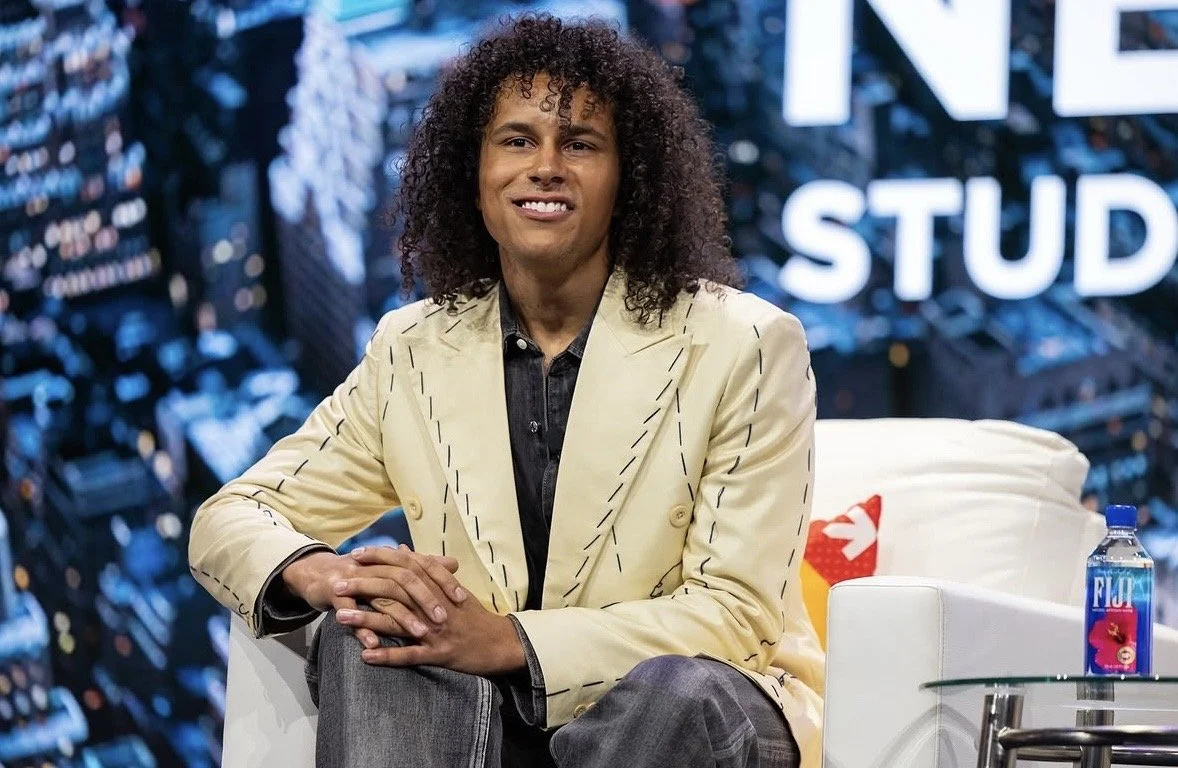
When asked what he would tell his younger self, Clay said it gets better, so work hard now. “Sometimes you have to have a greater perspective on your timeline.” He was equally clear about limits: know your boundaries and don’t push past them, but don’t be afraid of hard work either.
His motivation is refreshingly very concrete: he has a cat at home who needs new toys, and a beach house he plans to own one day.
What Comes Next
Clay’s story is, in the end, a story about showing up with nerve, curiosity, and follow-through. I left with a short list of my own, which I’m sharing here so I can hold myself to it:
Look into the Fashion Scholarship Fund and apply for the next semester
Explore CFDA and NRF, and attend the networking events
Find out which internships are worth pursuing right now
Rewrite my resume with a real and personal byline
Choose one person and send the cold email
Clay walked up Madison Avenue with a resume and a lot of nerve. I think that i’ll start with an email.