
How Maximalism’s Return is Reshaping Personal Style
Written by Lily Trimble
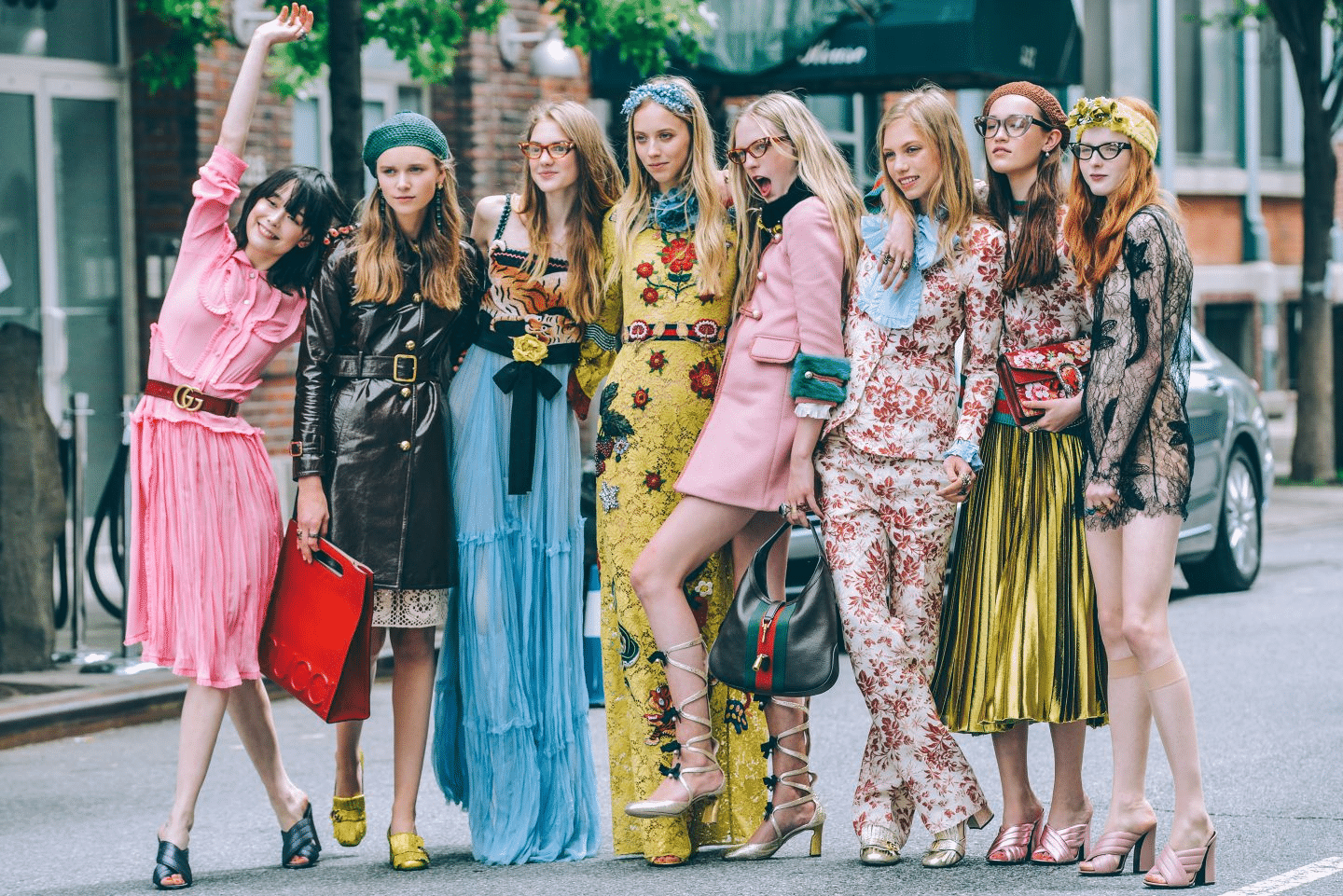
For years, our “For You” pages told us the same thing: neutral tones, clean lines, and nothing too loud. The more minimalist, the better. Through micro-trends like the “clean girl” and “coastal grandmother” aesthetics, minimalism spread through looks anyone could copy, which made it the easiest trend to follow. Now, maximalism is back, and it’s changing how we think about personal style. It raises a bigger question: do we even need to chase trends at all?
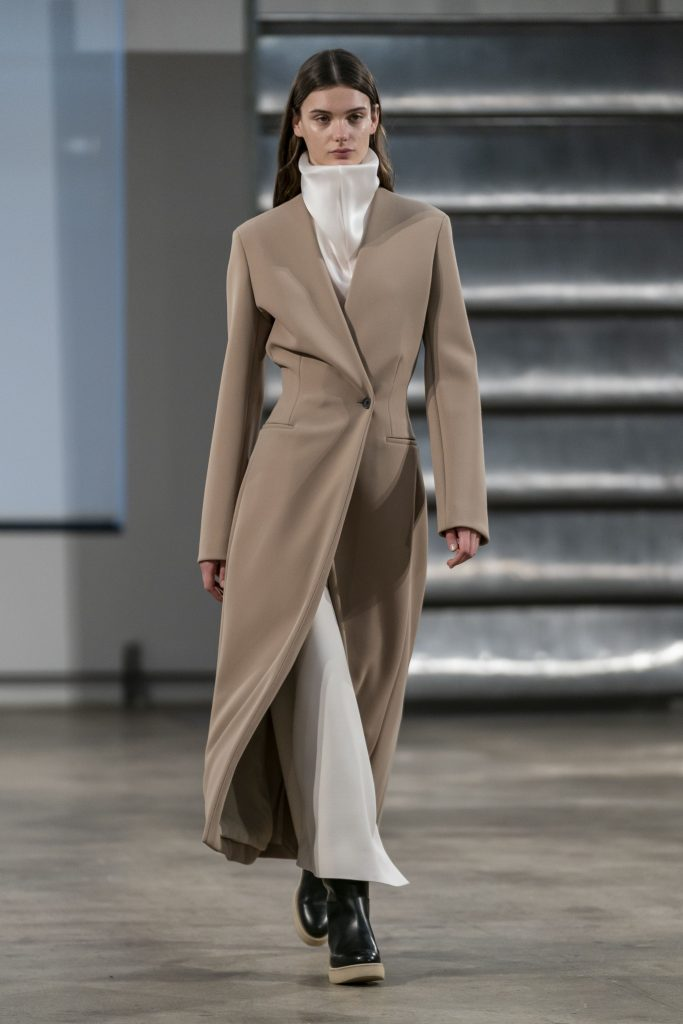
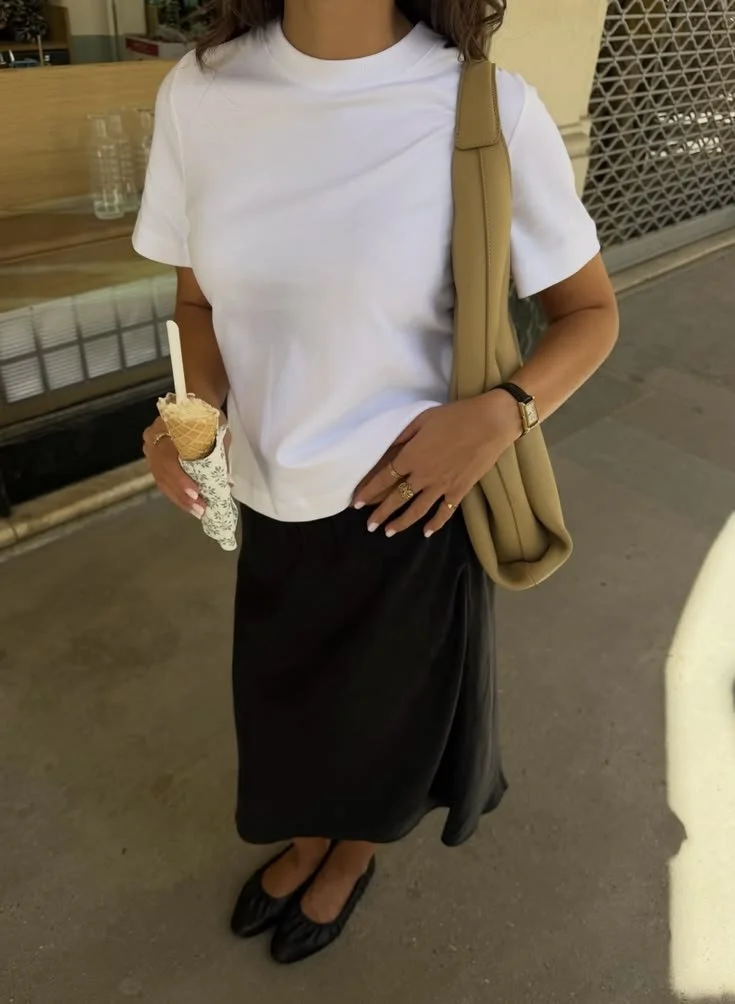
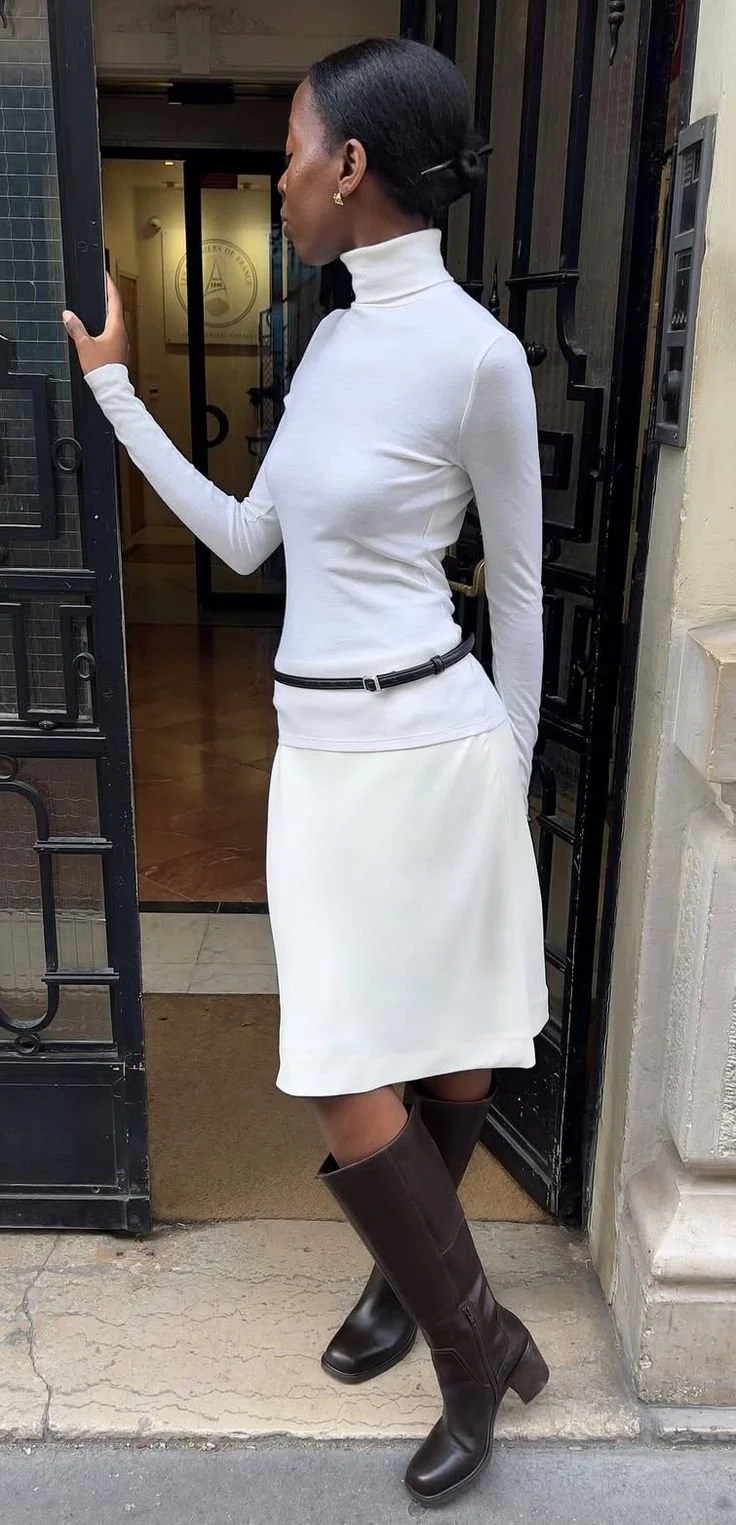
Carried on through icons such as Carolyn Bessette and Gwyneth Paltrow, and brands such as The Row, minimalism has remained prevalent over the years. The television series Love Story brought Bessette’s 1990s wardrobe of slip dresses, trench coats, and crisp white shirts back into 2026, while Paltrow’s courtroom looks made the “quiet luxury” look go viral on TikTok. What made these looks last was their restraint: put together, modern, and never flashy. But while minimalism became easy to copy, it also became easy to get tired of. Now, rather than blending in, people crave standing out. After years of modesty and restraint, the momentum has shifted back toward color, texture, and statement pieces. Through fringe jackets, chunky jewelry, and bright colors, people have embraced maximalism not just as minimalism's opposite, but as a more maximal version of minimalism.
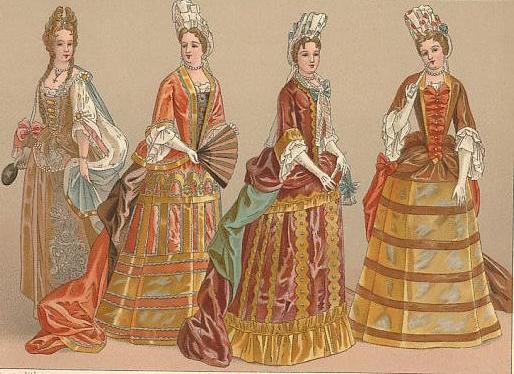
This rise in maximalism may seem like a new resurgence, but it has been going on for centuries. Moving in cycles, maximalism is deeply rooted in periods such as the Baroque era and the French aristocracy, where clothing was meant to be seen. Layers of silk, towering wigs, and elaborate embellishments declared wealth, identity, and power. Excessive attire was the entire point, and extravagance signaled status. Today, extravagance no longer signals status; it signals individuality.
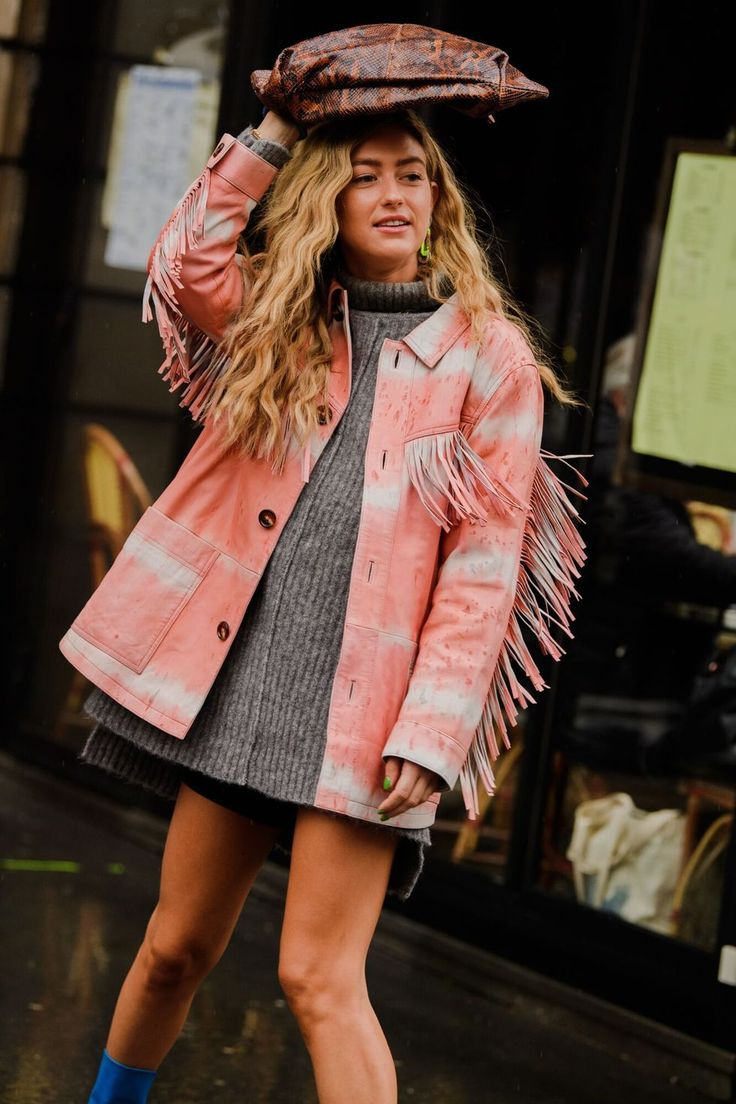
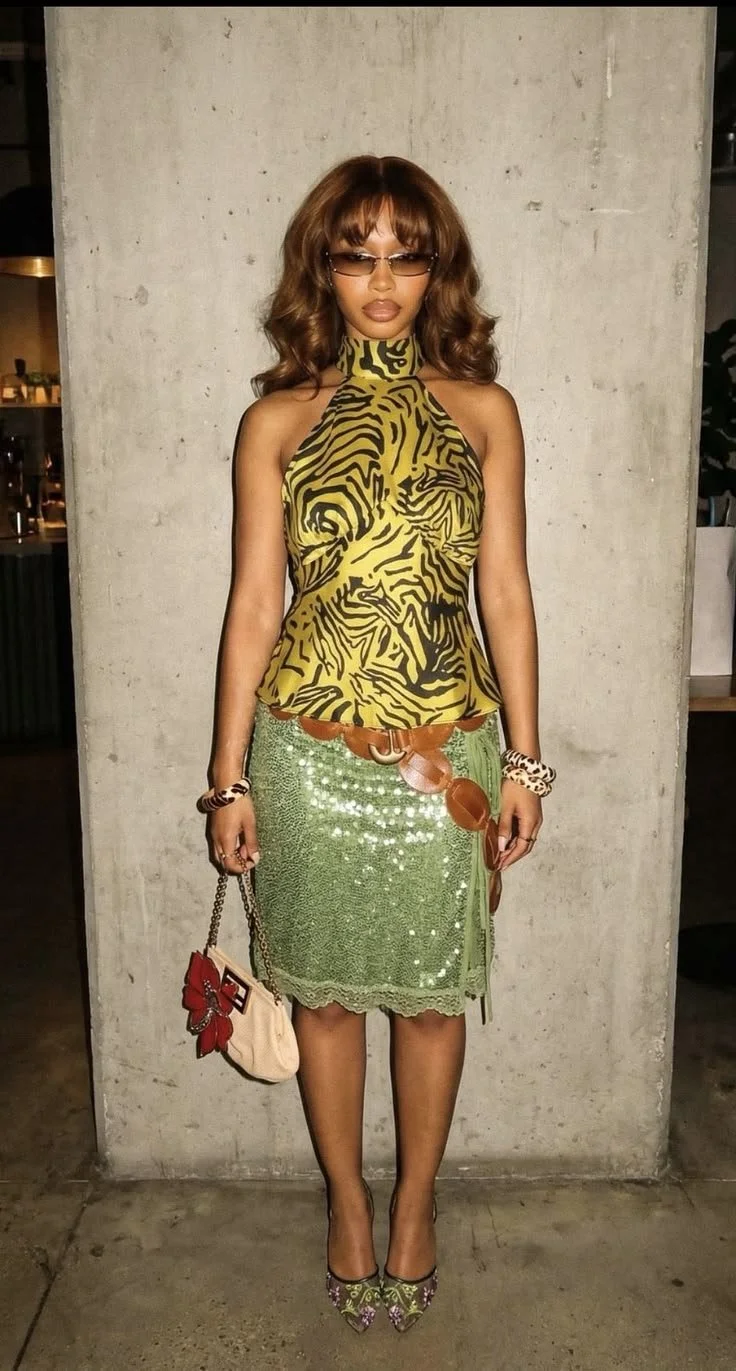
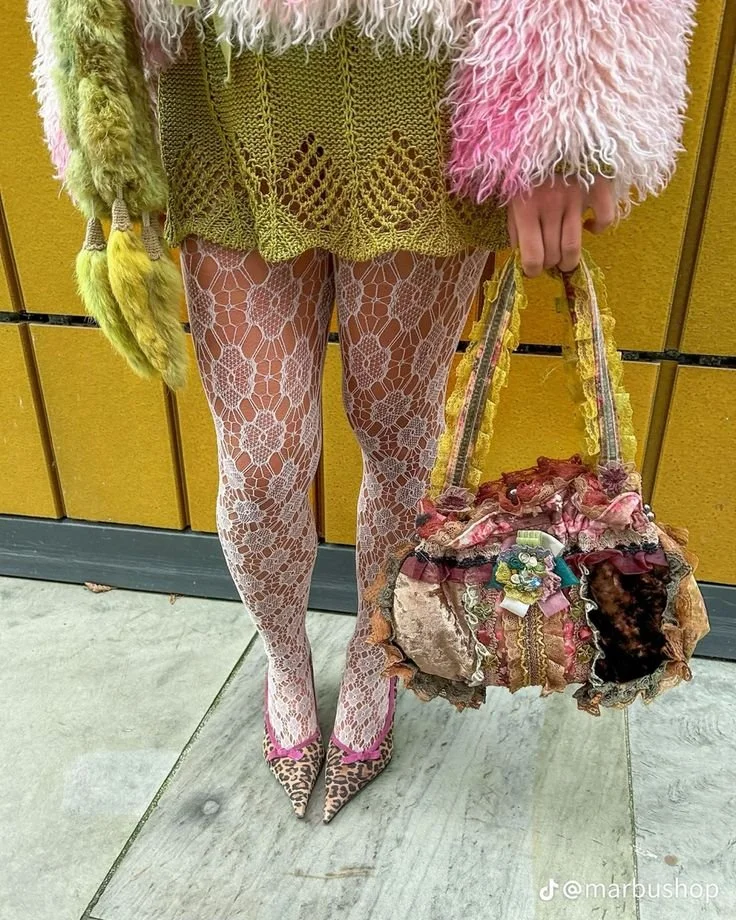
Why now? For so long, fashion has been a way to express oneself, but with minimalism's recent rise in fashion culture, standing out looks very different. Trends now spread faster than ever, faster than people can keep up, and algorithms push us toward the same looks, filling our feeds with neutral basics and making individual style look identical. People are looking for ways to stand out again. As a result, maximalism has surged less as a trend and more as a response.
Maximalism is back, at the expense of trends. It isn’t about bringing texture and color back into society; it's about more people deciding they’re ready to stop asking what’s trending and start asking what is most authentic to them. Minimalism isn’t leaving, but rather coexisting in a new space where maximalism and minimalism can both be “trendy,” where fewer people dictate their fashion sense from their For You pages and more from themselves. A trend can come from anywhere—be the trend no algorithm sees coming.
Edited by Ruby Her, Logan Lloyd and Galilea Matus