
Wait, Did You Check the Label
Back to basics with the Return of Natural Fibers
Written by Milosh Sasic
Picture this: You’re at the mall with your friends, shopping for a new sweatshirt. You come across a beautiful sweater, try it on, naturally, and it fits perfectly. Just as you’re leaving the fitting room, your friend asks, “Wait, did you check if it’s cotton?” (It’s not.)
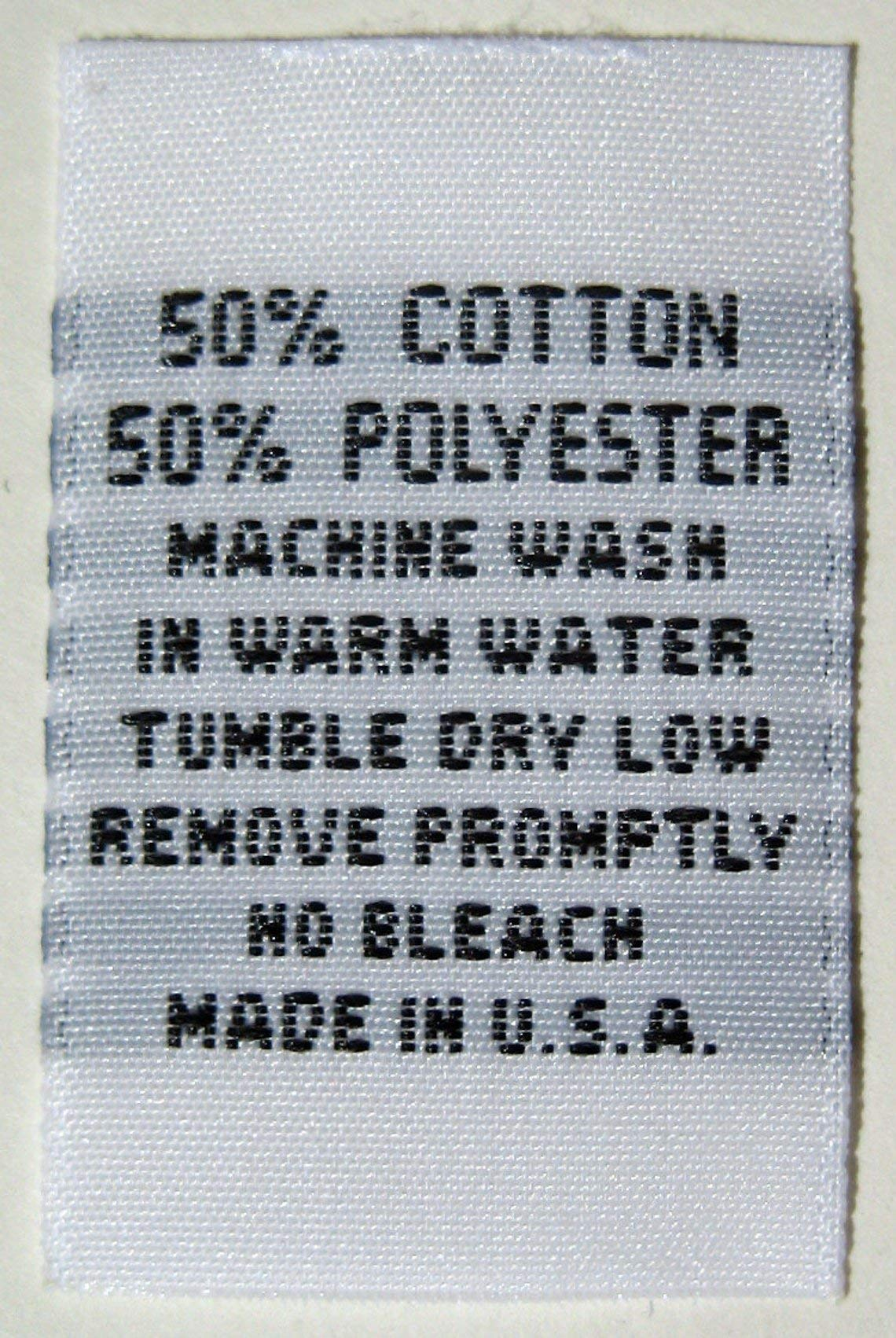
Many of us have been in similar situations. You’re about to buy an article of clothing you really like, only to check the tag and discover that it’s made from synthetic materials like polyester rather than natural fibers. But when did we start paying so much attention to the materials we put on our bodies? And why has it suddenly become such a big deal?

The growing interest in cotton, wool, linen, and silk is part of a larger wellness movement that has been shaping our everyday lifestyles. Healthy living has become an increasingly popular topic, whether through the news, social media, or conversations with friends. The “check the tag” TikTok trend and growing anxiety around microplastics are part of that equation, too. And it seems to be catching on, with more consumers questioning what their clothes are actually made of.
Of course, this isn’t the first time natural fibers have been in the spotlight. The hippie movement of the 60s and 70s helped popularize natural materials, while the growing environmental consciousness of the 1990s encouraged brands to explore organic cotton and other alternatives. What’s different today is how closely fabric composition has become tied to our ideas of health, quality, and sustainability.
After all, these are some of the biggest reasons we associate natural fibers with better clothing. It’s no surprise that major brands like Zara prominently feature words like “cotton” in their product names. Add marketing that presents these garments as premium, and suddenly a higher price tag seems easier to justify. We’re willing to spend a little more if we believe we’re getting something better made, more comfortable, and more sustainable.
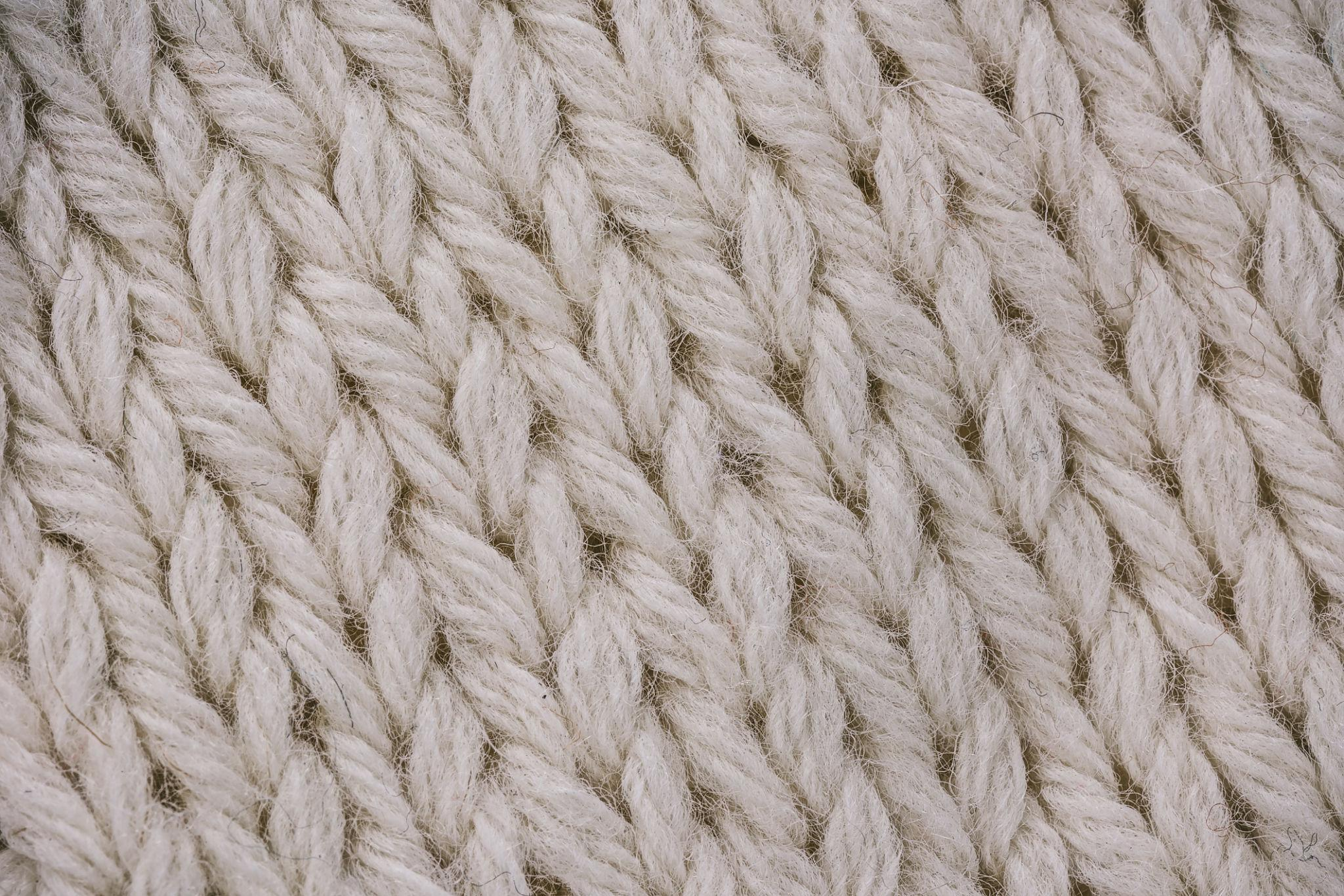
And there are good reasons to appreciate natural fibers. Many offer excellent breathability and help regulate temperature, allowing heat and moisture to move through the fabric. Wool, in particular, is great at keeping you warm while managing moisture, while cotton is often appreciated for its softness and comfort. Of course, how a fabric feels and performs also depends on how it’s made, but the appeal of natural materials goes beyond just their reputation.
The sustainability argument, however, is a little more complicated. While synthetic fibers are generally made from fossil fuels like oil, natural fibers come with their own environmental costs. Cotton, for instance, can require substantial amounts of water and land, while conventional farming often involves pesticides. And although synthetic fabrics can shed microplastics, replacing every polyester item in your wardrobe isn't necessarily the greener choice. The better approach is often much simpler: buy less, choose pieces that last, and take care of what you already own. No need to throw out your entire wardrobe ASAP .
With winter approaching in Madison, though, there’s another reason to pay attention to fabric composition: staying warm. Wool is particularly well suited for cold weather, thanks to its ability to trap insulating air, manage moisture, and naturally resist odors.

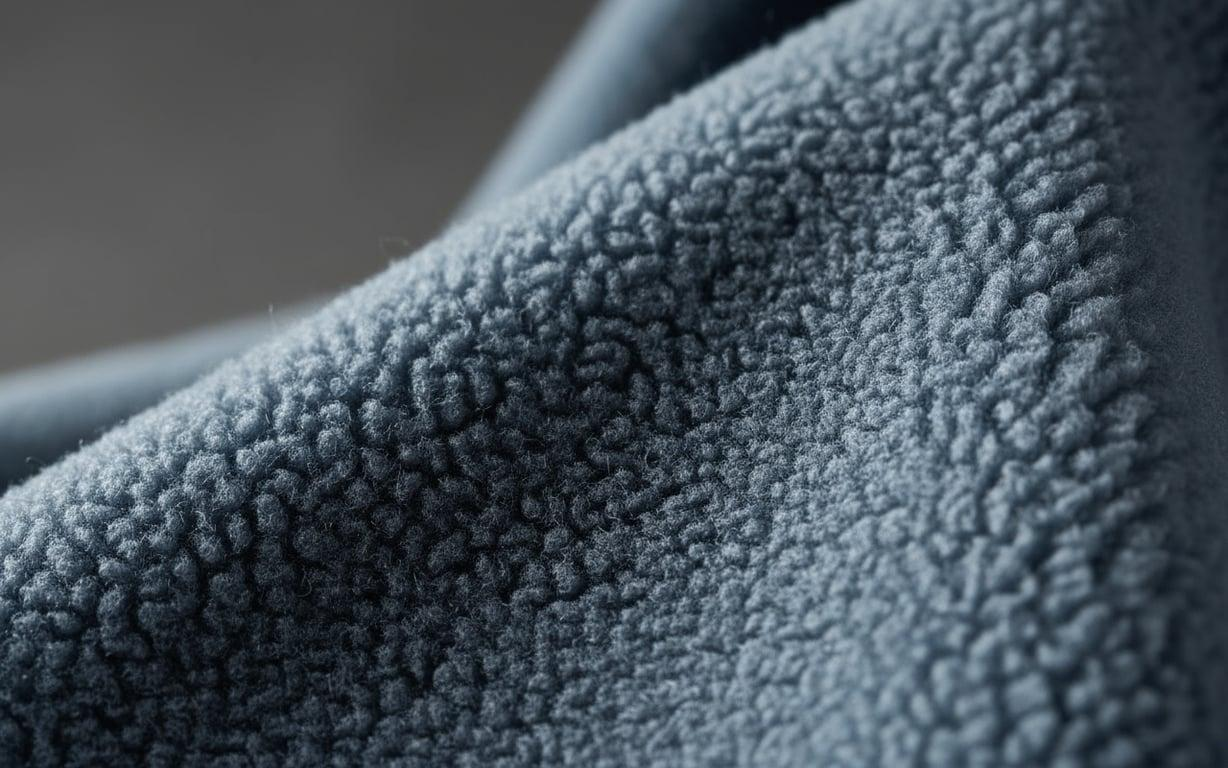
Don’t get me wrong, synthetics have their advantages, too. Polyester fleece can be extremely warm for its weight, while many synthetic fabrics are lightweight, quick-drying, durable, and easy to clean. That makes them particularly useful for exercising, traveling, or dealing with unpredictable weather. The point isn't that one type of fiber is always better than the other, but that different materials serve different purposes.
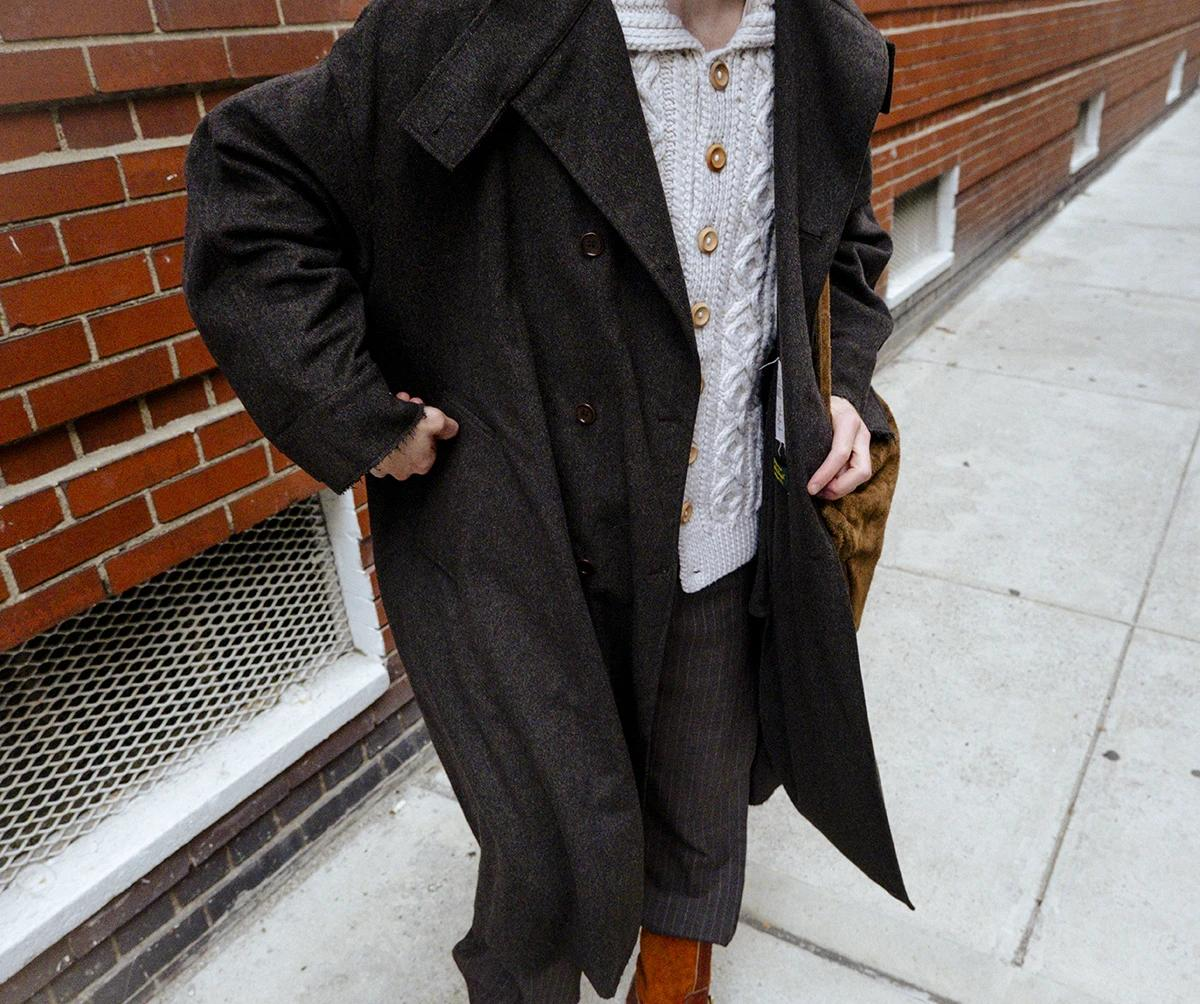
And anyone from the Midwest will tell you that surviving winter comes down to one thing: layers. Your base layer should move moisture away from your skin so you don't feel damp, making merino wool a great choice. Your middle layer should provide insulation, where wool sweaters do an excellent job. Finally, your outer layer needs to protect you from wind and snow, which is where a weather-resistant coat comes in.
Cotton, while comfortable, is better saved for casual indoor settings, since it holds onto moisture and can leave you feeling cold if you sweat. Wool, on the other hand, helps manage that moisture while keeping you insulated, making it especially useful during Wisco's winter months.
So, before another season of freezing temperatures arrives, maybe take a second to check the tag on your next sweater. Whether it's wool, cotton, polyester, or a blend, knowing what you're wearing can help you make a better choice. After all, a good wardrobe isn't necessarily about having more clothes, but understanding the ones you have.
Edited by Amara Duncan and Claudia Rothberg