
Gender-Neutral Clothing on the Rise
Written by Claudia Rothberg
Fashion has always existed and been pioneered by pushing and breaking boundaries. In recent years, gender-neutral clothing has surged in the industry, making people reflect on gender norms and the ways that people “should” dress. Moments of gender crossover in history only existed on the red carpet or during luxurious events, such as a man wearing a skirt, or a woman in a tailored blazer. Even on fashion runways, which showcase avant-garde looks, everyday fashion remains binary. This is because of us. Fashion itself was never gendered until society decided it should be.
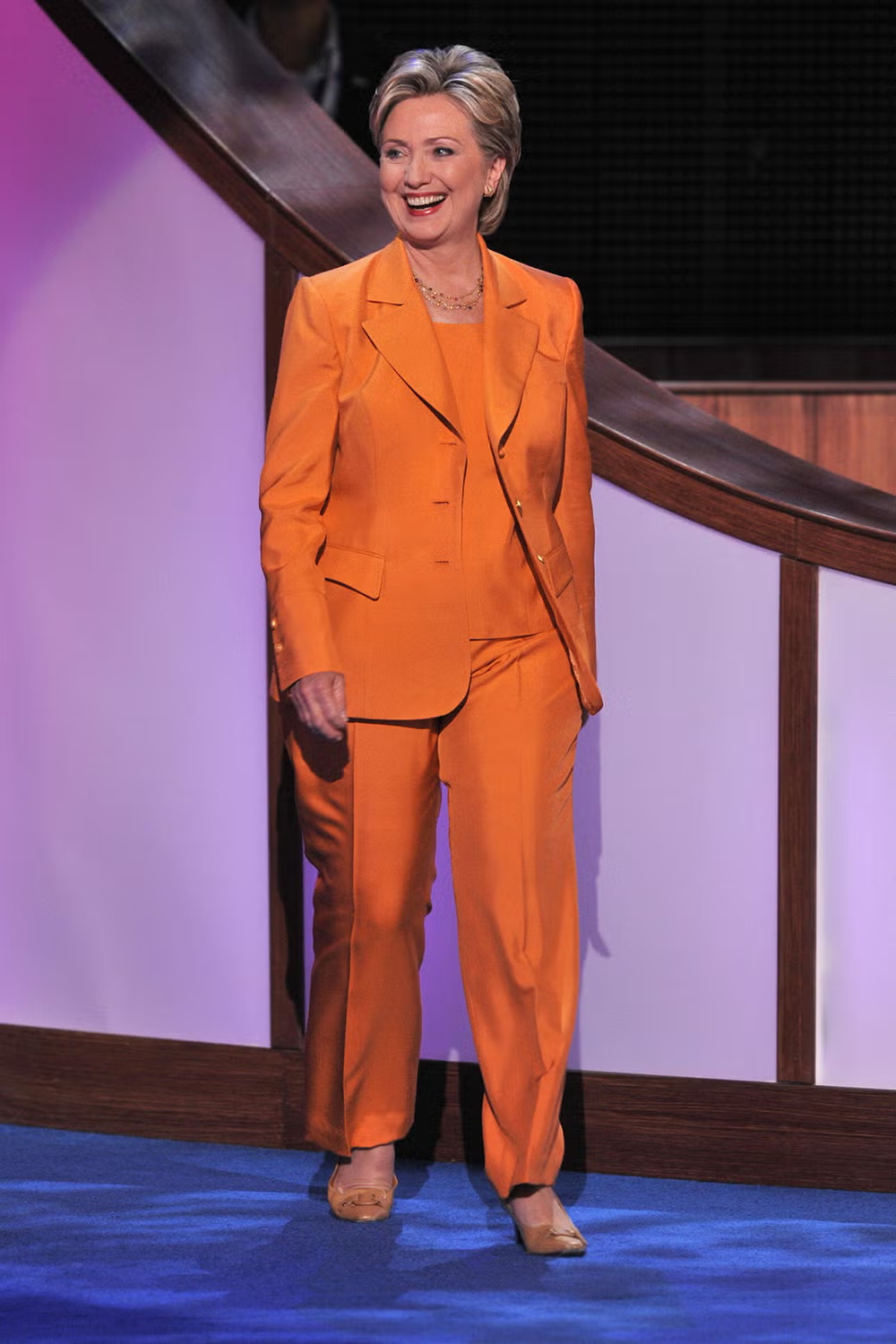
Before the 18th century, clothing was commonly androgynous, much more it is today. Little boys often wore dresses, while women on horses dressed in masculine, tailored jackets. By the 1800s, Victorian ideals pushed women into wearing voluminous, hooped skirts and tight-fitting corsets, emphasizing the woman's narrow figure. By the 1900s flapper era, women's fashion introduced outfits with luxurious fur and beading for dancing, showing femininity in accessories. These garments were typically looser fitting, yet by the 1950s, the silhouette for women shifted back to centered the waist of a woman, reinforcing the an hourglass figure. These trends follow a pattern of women's outfits being heavily based on their bodies, exhibiting the “ideal figure” of a woman at each time period, compared to men, emphasizing structure and strength in men's bodies and muscles.
Women in political and business industries have a leading force in adding more masculine elements into their outfits, often wearing suits or blazers. Figures such as Hillary Clinton during her time as a Senator became known for her bold-colored, authoritative pantsuits.
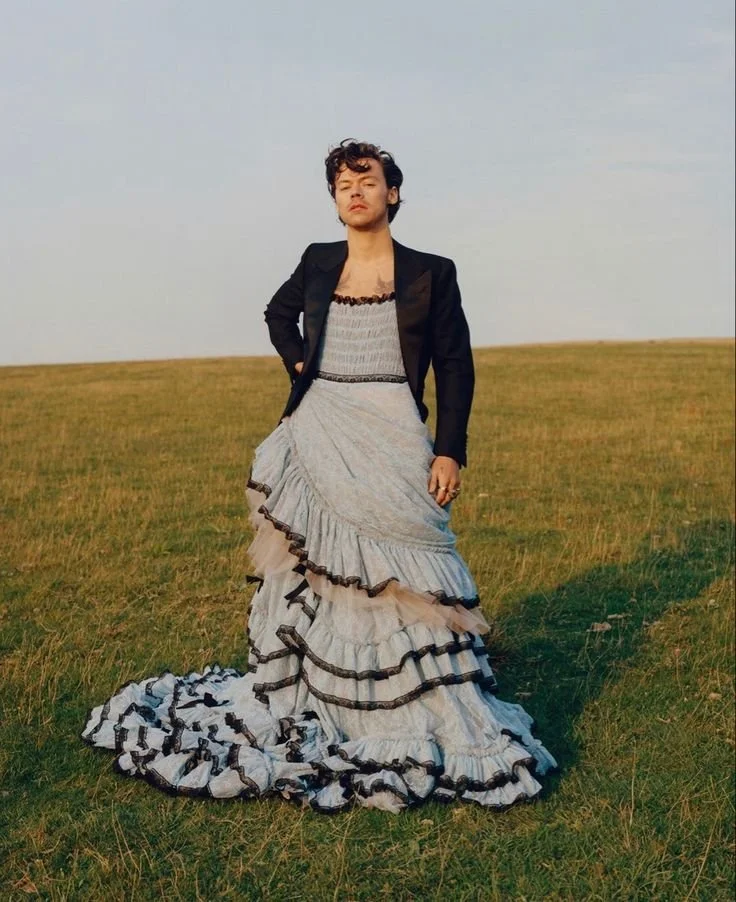
In the 21st century, celebrities and influencers have had a significant impact on gender-fluid clothing. In 2020, Harry Styles appeared on the cover of Vogue in a dress, sparking conversation about his sexuality. Even with these uncomfortable debates about Styles, he continued his gender-fluidity during his concerts, often incorporating necklaces, tights, heels, and skirts into his outfits. Outside of celebrities, many upcoming fashion brands have been committed to androgynous clothing, even making it the main values of the brand. Telfer built their brand on unisex clothing and accessories, specifically bags. Similarly, emerging label, Fang, is a NYC-based brand actively promoting gender-expressive clothing.
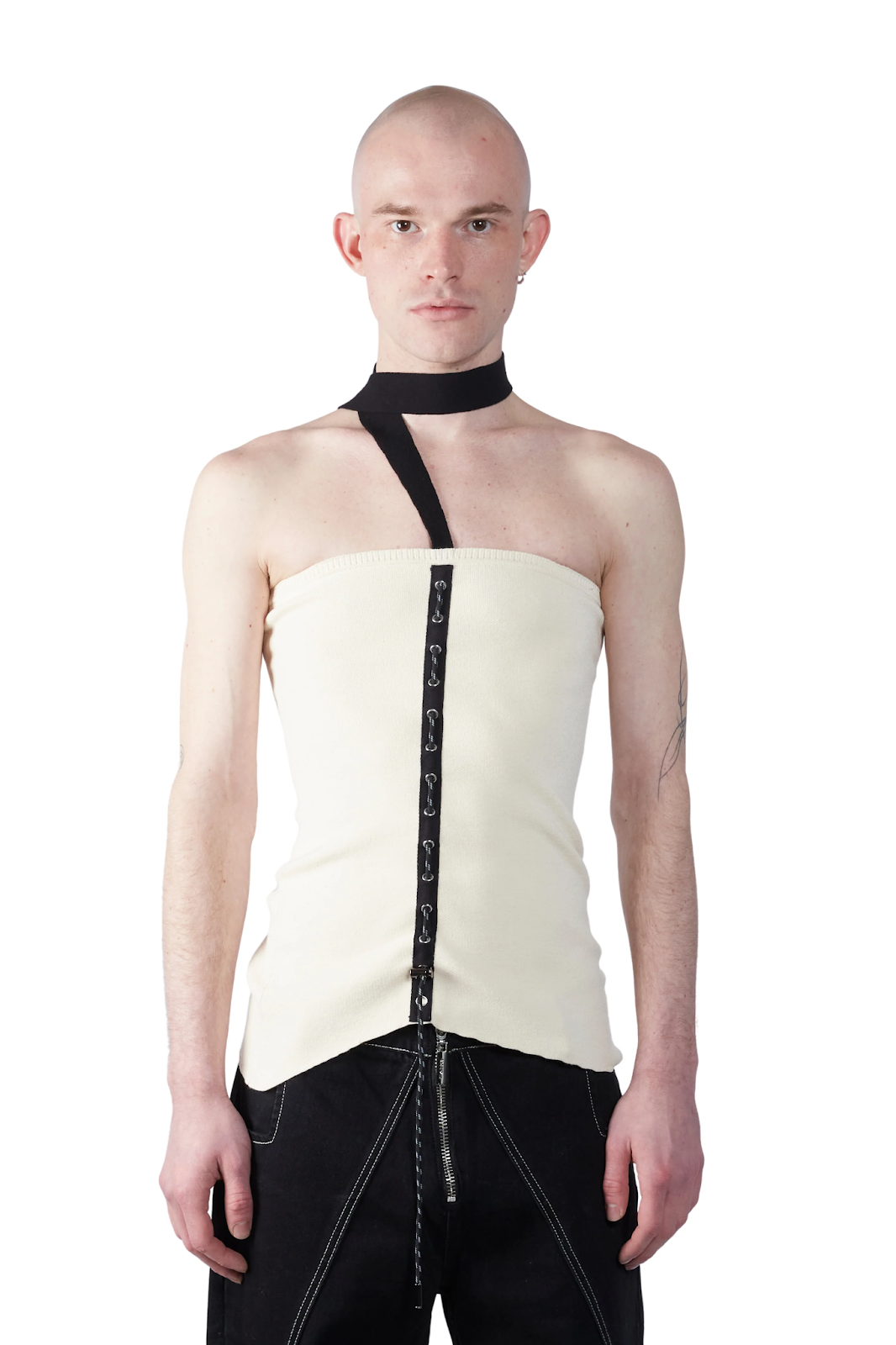
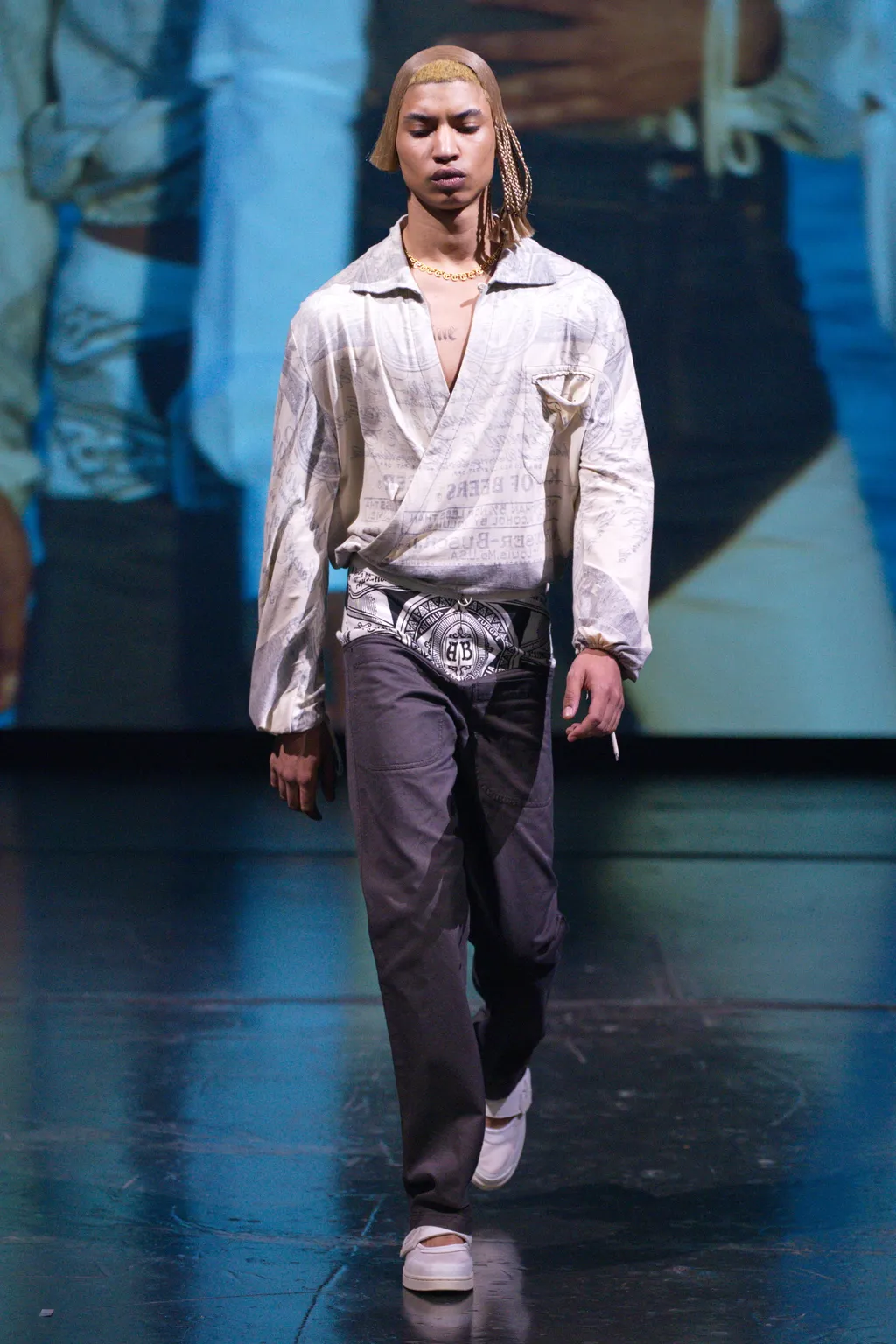
To continue breaking down gender norms in fashion, it is important to understand how they became set in the first place. Identity has very little to do with body-type and attributions, yet it has been centered in fashion conversations. If we focus less on physicality and more about what is comfortable, stylish, and confident, fashion has the potential to be one of the most gender-fluid forms of creativity. Gender-neutral clothing doesn’t have to be just a trend; instead, it is about a broader cultural shift to inclusivity and authenticity.
Edited by Shira Malta