
Dressing the Moors: Reimagining Victorian Style in Wuthering Heights
Written by Jordyn Salahiddine-Rose
Like many viewers, I recently saw Wuthering Heights in theaters and was blown away by the film’s cinematography, composition, acting and of course the costumes. The colors of the film were unbelievably beautiful and the costumes complemented them perfectly.
Emerald Fennel’s film is based on Emily Brontë's novel about the intense love between two passionately dark characters, Catherine Earnshaw and Heathcliff, and the impact that their love can have on themselves and those around them. This story, although powerful, is far from a fairy tale, as it involves themes of obsession, revenge, social class and how love can be extremely destructive.
Award-winning costume designer, Jacqueline Durran, who previously worked on the Barbie movie, was the genius behind the costumes of Wuthering Heights, creating 45-50 looks just for Margot Robbie’s character, Catherine.
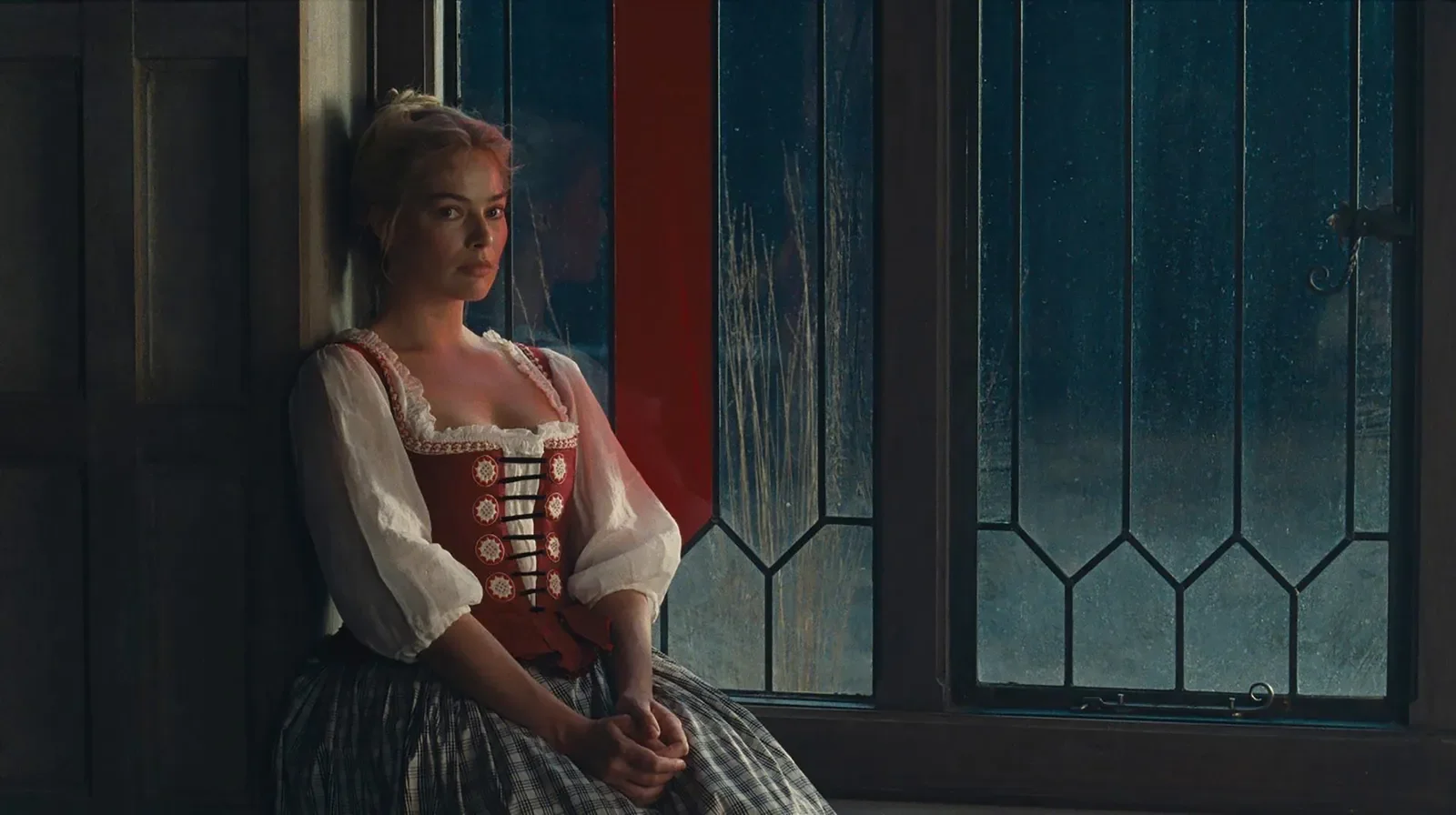
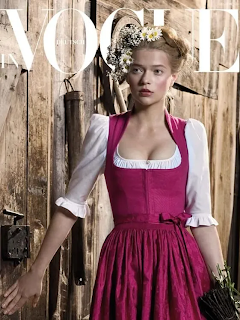
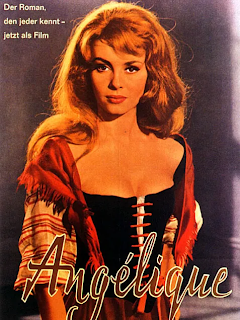
There was a lot of inspiration and references that went into creating the various looks for this film, including: vintage Mugler and McQueen, Elizabethan, Georgian and Victorian eras, paintings and historical and contemporary fashion representations of the 18th century.
The first notable look that we see of adult Catherine is the milkmaid-style dress that was influenced by the 18th century time period, the contemporary fashion seen today and Old Hollywood, according to Durran.
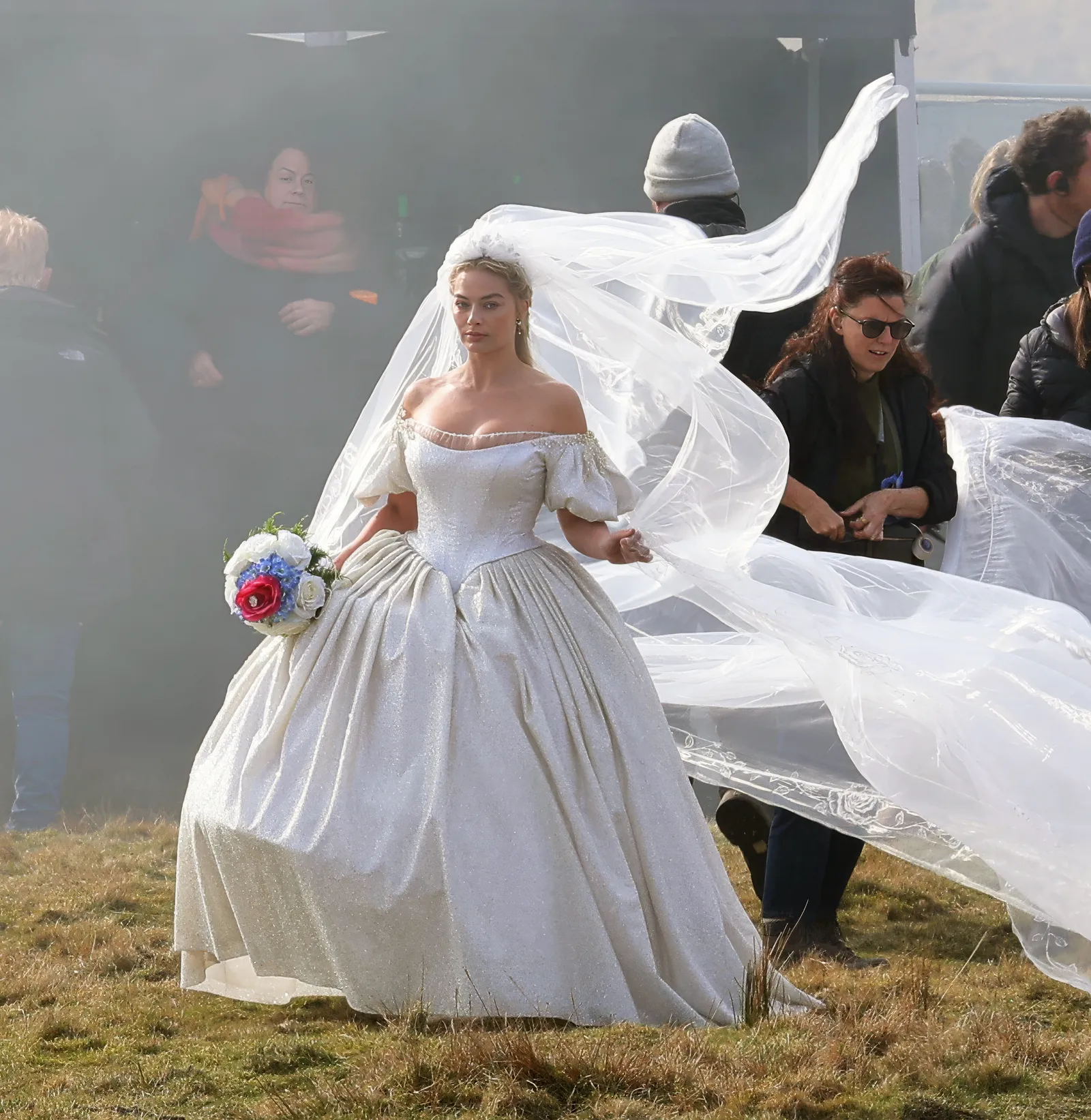
Another incredible look from the film was Cathy’s exquisite wedding dress, with the low-cut corset, the extensive sheer white veil, the flower crown and even the lovely bouquet she is holding. All of it put together in this look, is stunning. Even though it marks a tragic turning point in Cathy’s life, ending her chance to marry Heathcliff, she still looks undoubtedly gorgeous. Durran stated how they took inspiration from Victorian and 1950s fashion for this look.
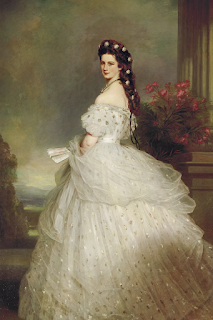
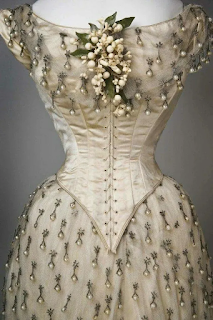
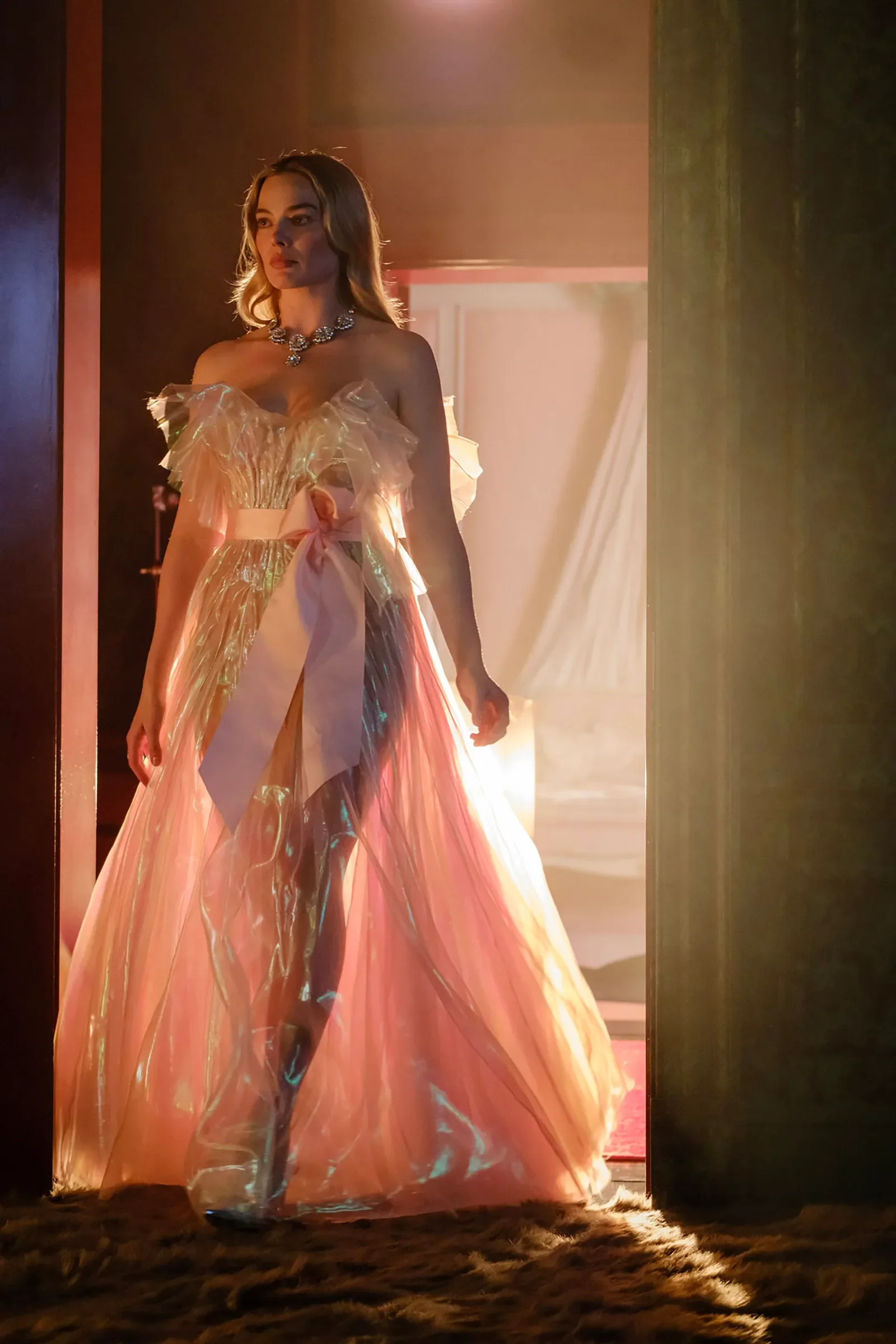
Furthermore, during the wedding, Cathy wears an unforgettable dress later into the night. Although this look, specifically may have some controversy around it, based on the fact that it looks more present-time, rather than the period that this film is supposed to take place in, it is still a breath-taking look. The point of this piece, according to Durran, is to show how Cathy is making herself a gift to her new husband and I think that is clearly reflected in this look. This is especially present with the bow in the front of the dress, tying it all together. The colors of the dress matching the sun setting in the background perfectly symbolizes how Cathy is content in her choice of marrying Edgar Linton and how she is ready to start this new life.
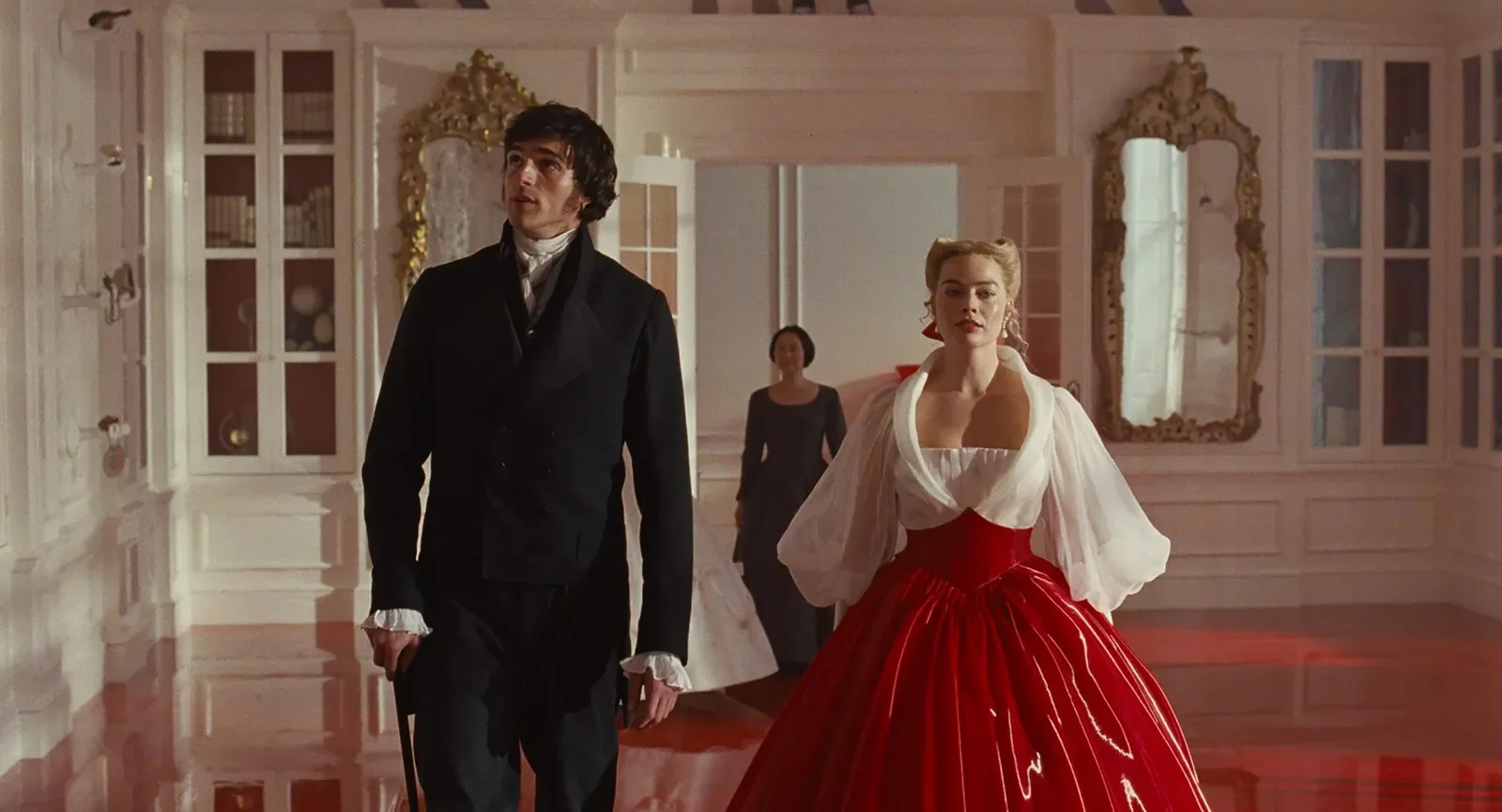
Later on in the film we see Cathy in what looks to be a red latex dress, but as Durran has stated it’s not actually latex. It’s an ultra-shiny, synthetic, plasticized contemporary fabric that just looks to be made of latex. This dress is most important because the red skirt of the dress matches the high-shine red floor of the set and the walls of the room match her white blouse. In this scene Cathy and the set seem to blend into each other, showing how much she has to come accustomed to living in this big and shiny house, almost as if she now fits in there.
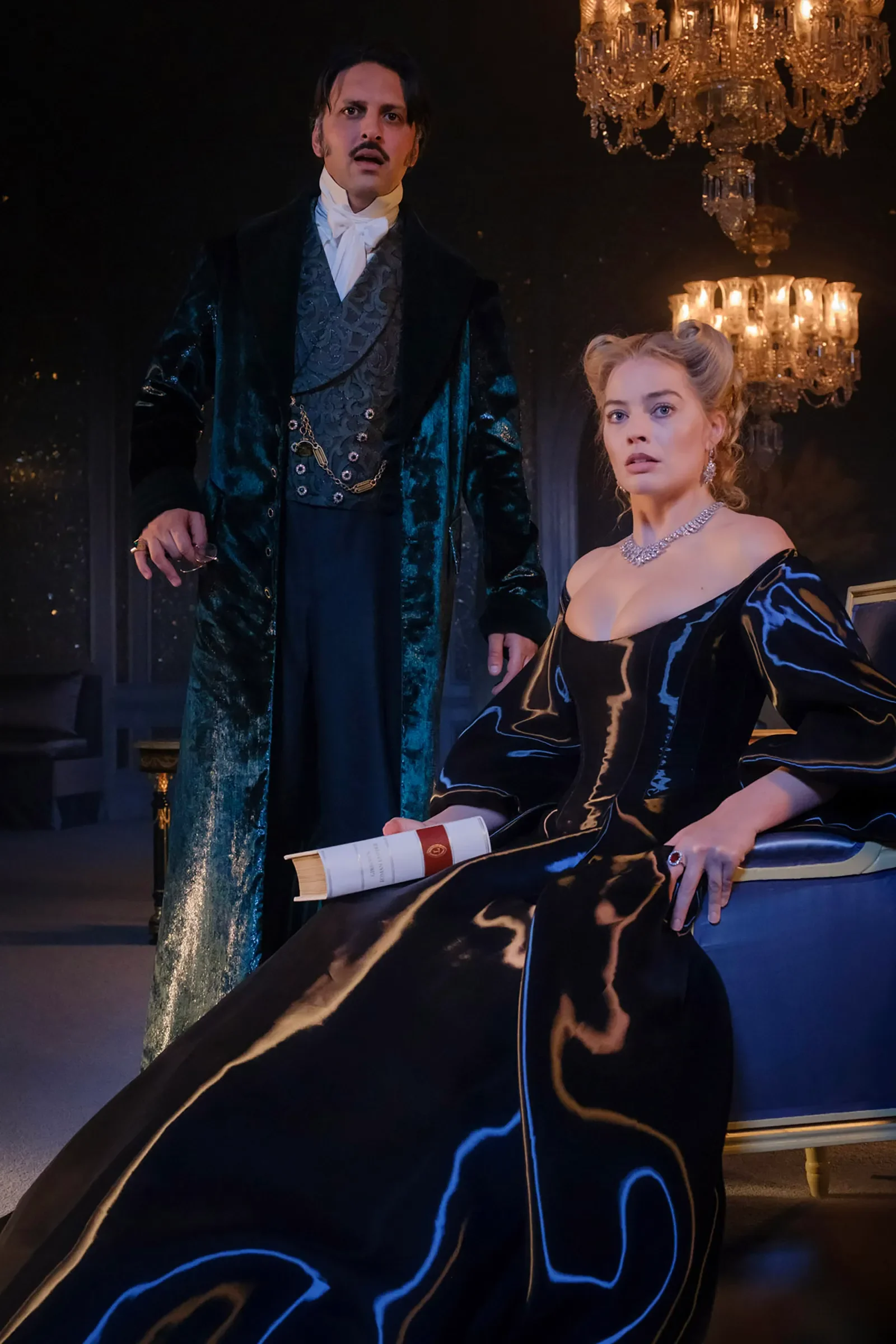
Another extraordinary look of Catherine’s is this blueish-black, high-shine dress that is worn during a nighttime scene. This dress was made with the shape of a Victorian dress, but with a fabric that is more modern. The moonlight in the scene makes it seem like it’s being reflected off Cathy’s dress or that she is exuding that moonlight herself. This costume symbolizes how she may be in her home with her husband, but the lighting being reflected from outside shows how there may be someone else out there she is thinking about. The dark lighting also signifies how Cathy and Heathcliff’s affair is destroying themselves and those around them.
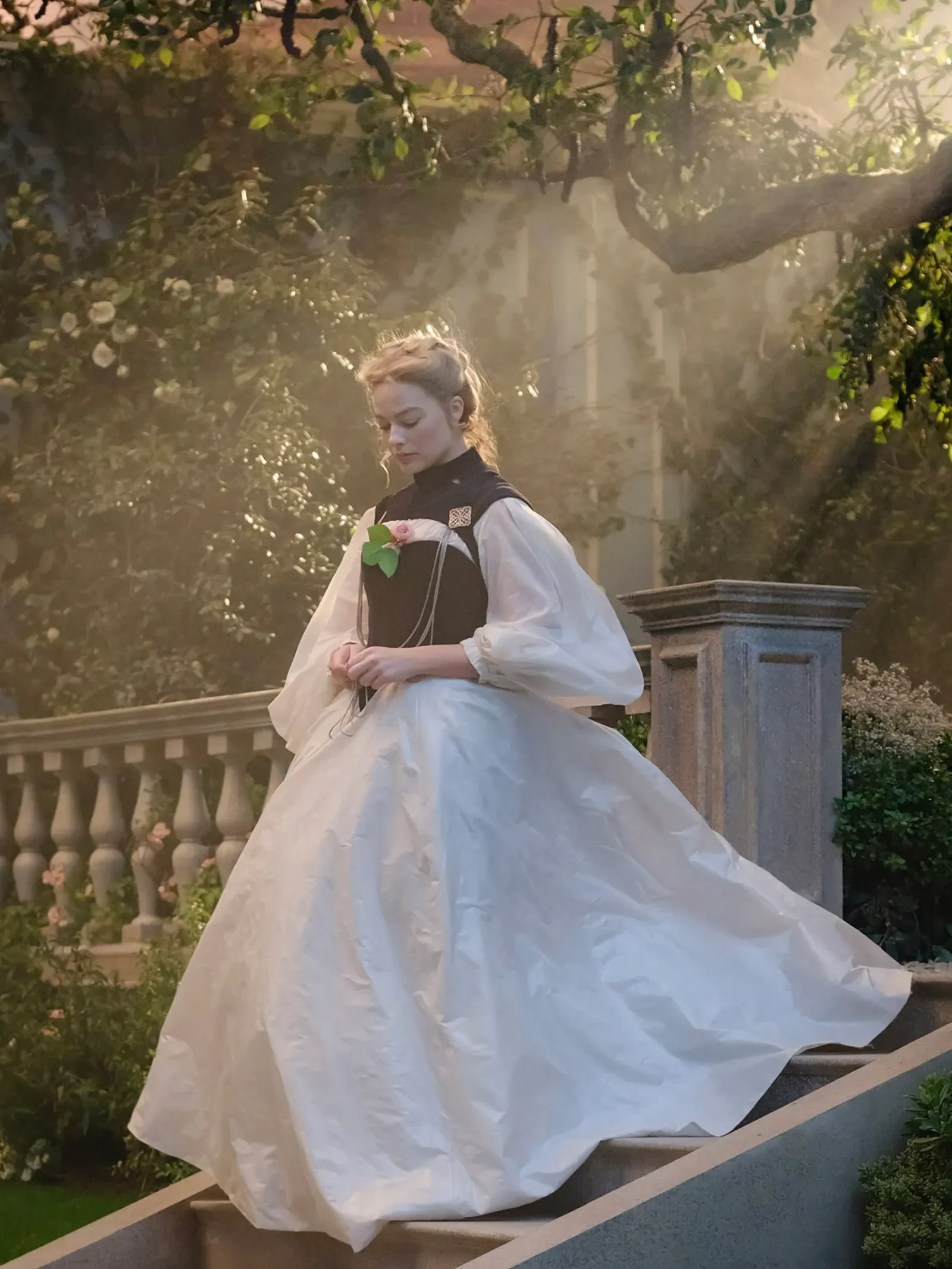
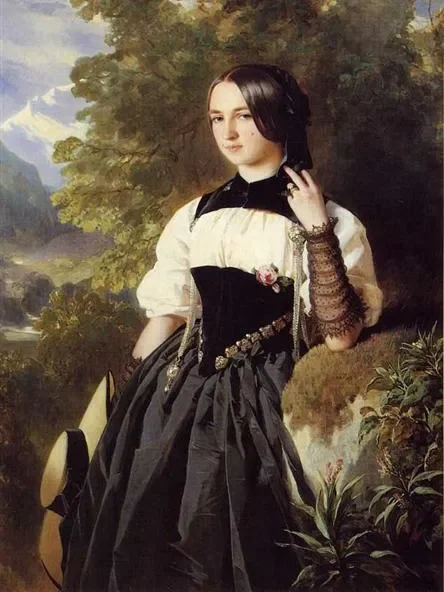
Throughout the film there are a lot of looks of Cathy’s that match the setting around her, this next one is no different. This dress has an armour-like quality to it and with the big white skirt and flowers pinned to the front, it almost perfectly matches the aesthetic of the garden that surrounds her. This is actually a more historically accurate look as it took inspiration from a Swiss peasant costume from the mid-19th century. Durran stated how she used a Winterhalter painting as reference for creating this look, with the white, the velvet and the chains.
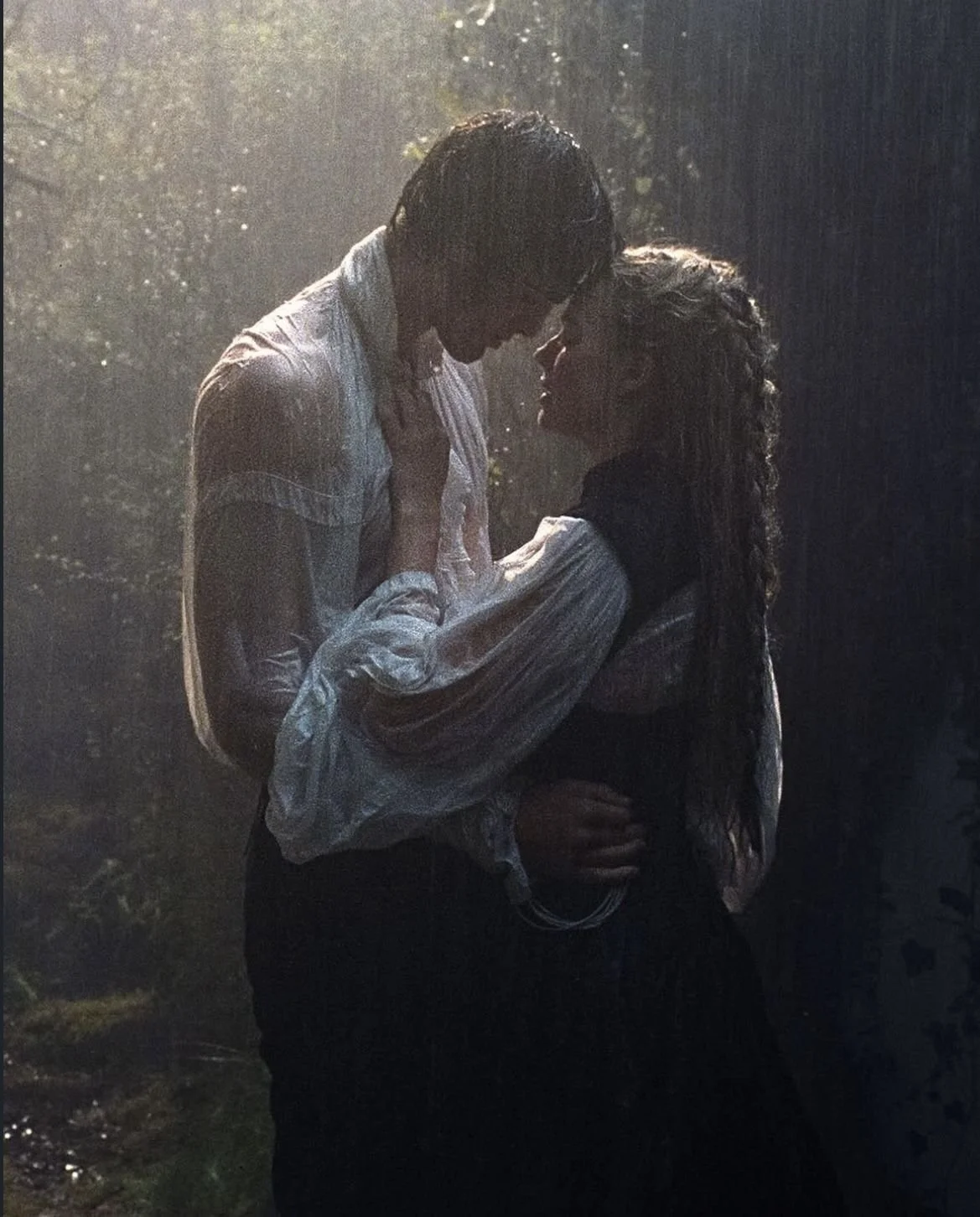
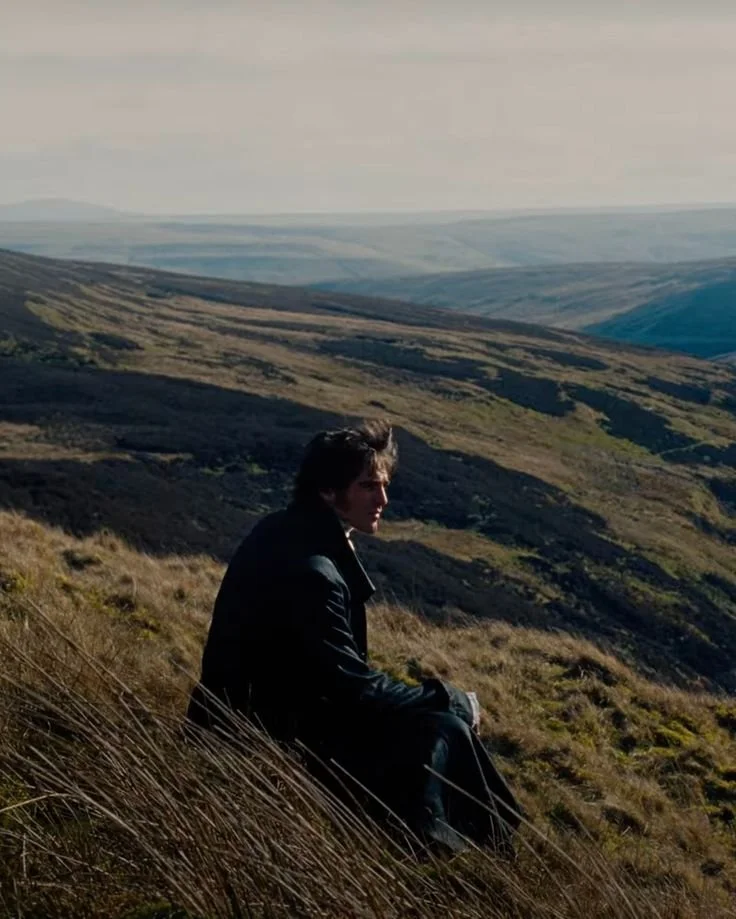
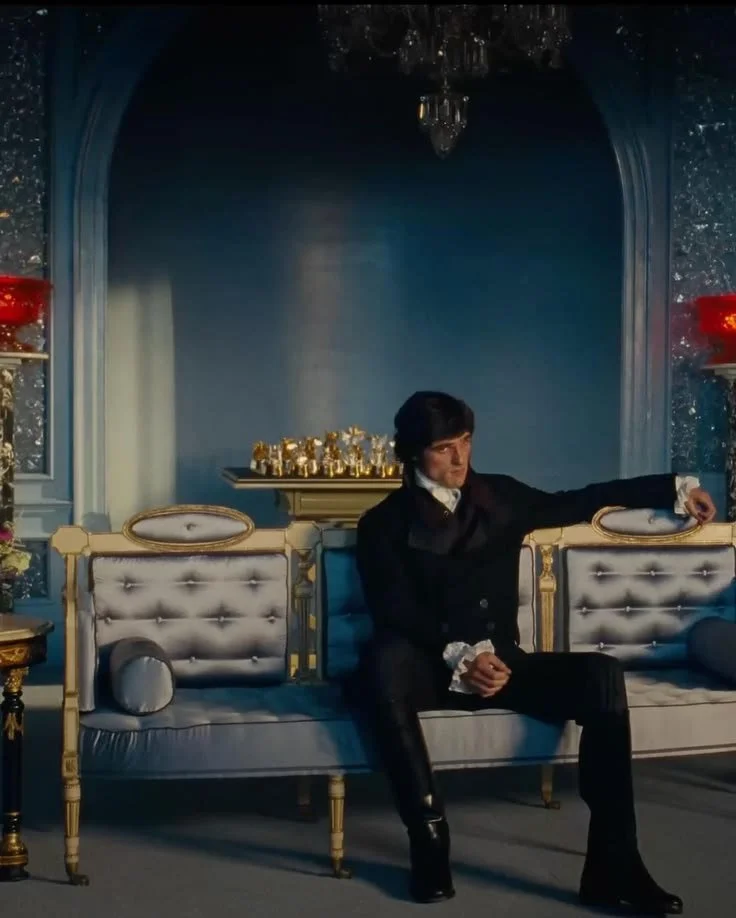
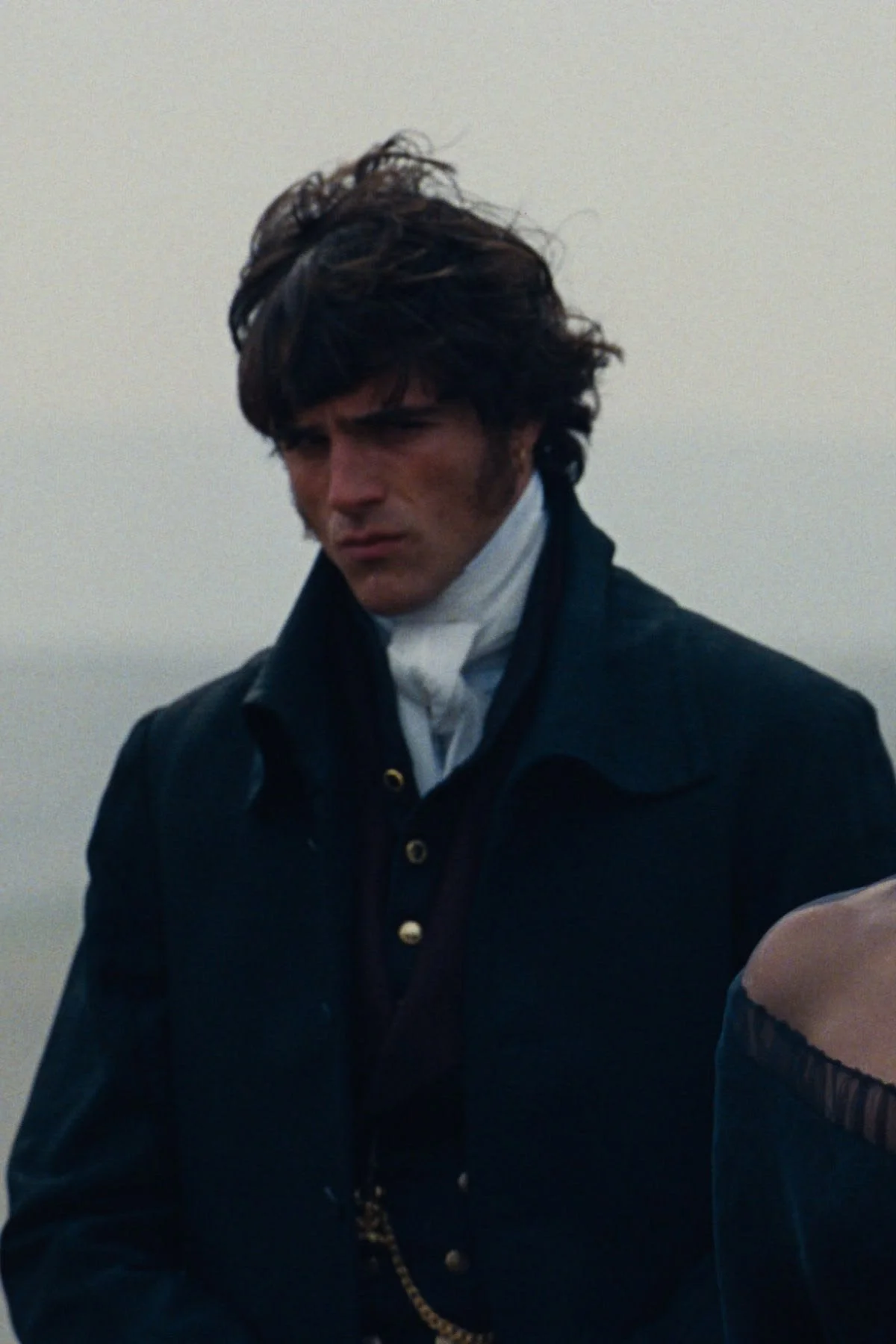
Moving on to the character of Heathcliff, played by Jacob Elordi, he is typically seen in the classic white shirt and long black coat, depicting him as more historically accurate. His looks symbolize the Georgian-era and the 1800s style of clothes for men. It’s also very important that he’s seen in dark colors, as Heathcliff is a very tragic and antihero type of character. The look of Heathcliff hasn’t changed a lot over the years, as he’s always represented as the Byronic hero in every adaption of Wuthering Heights.
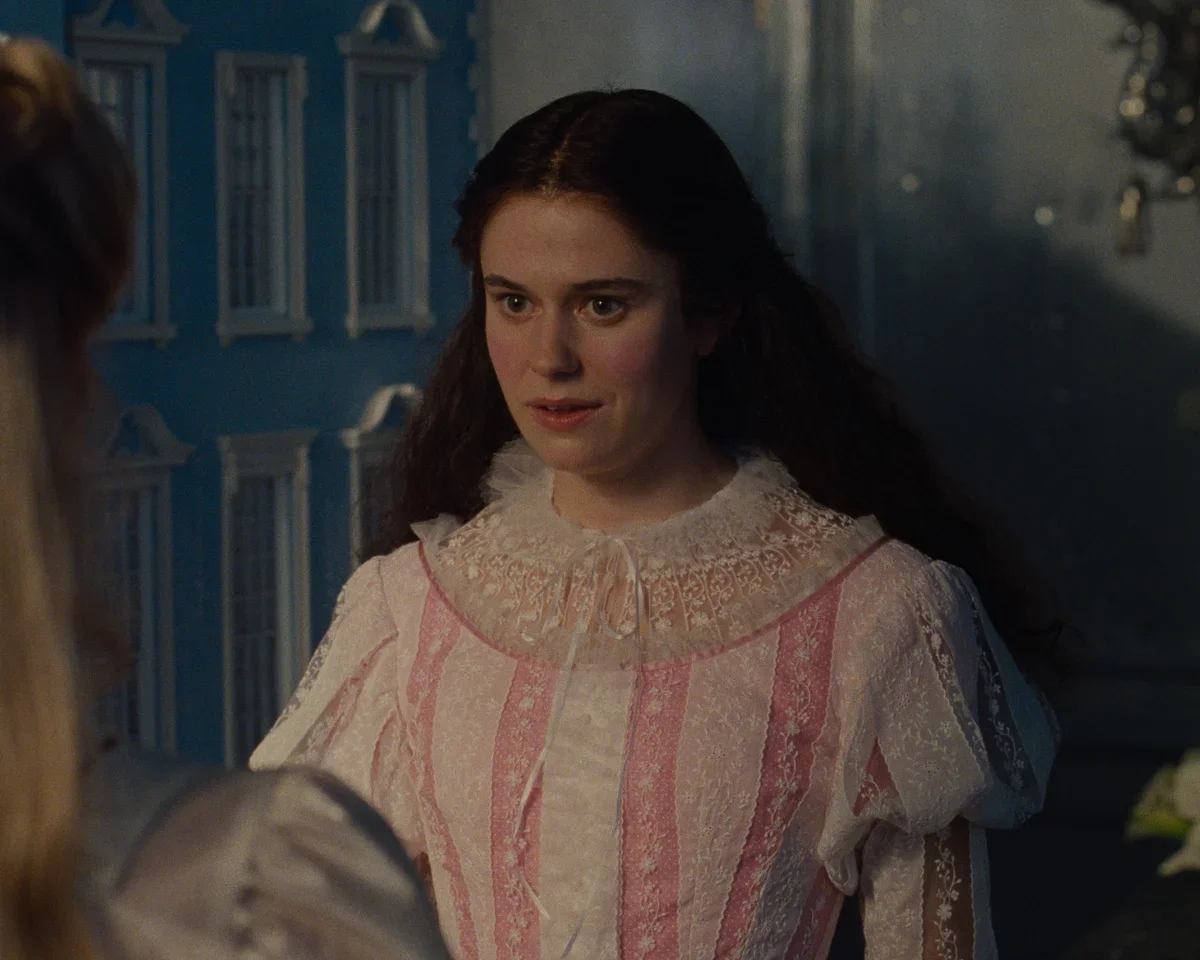
Isabella Linton, played by Alison Oliver, also has some astounding looks, from her bright candy-pink gowns to her extravagant bows and ribbons. Linton’s looks were more based on the historical period than Cathy’s, more specifically the 1860s. During this time period there was a very prevalent skirt shape that Durran and Fennel wanted to use for Isabella’s dress. They also looked at all the ways in which people would trim things and add bows and lace, which relates to Isabella’s character as she has an entire room dedicated to her ribbons. The colors she is typically seen in also emphasize her more childlike and naïve personality compared to Cathy and Heathcliff.
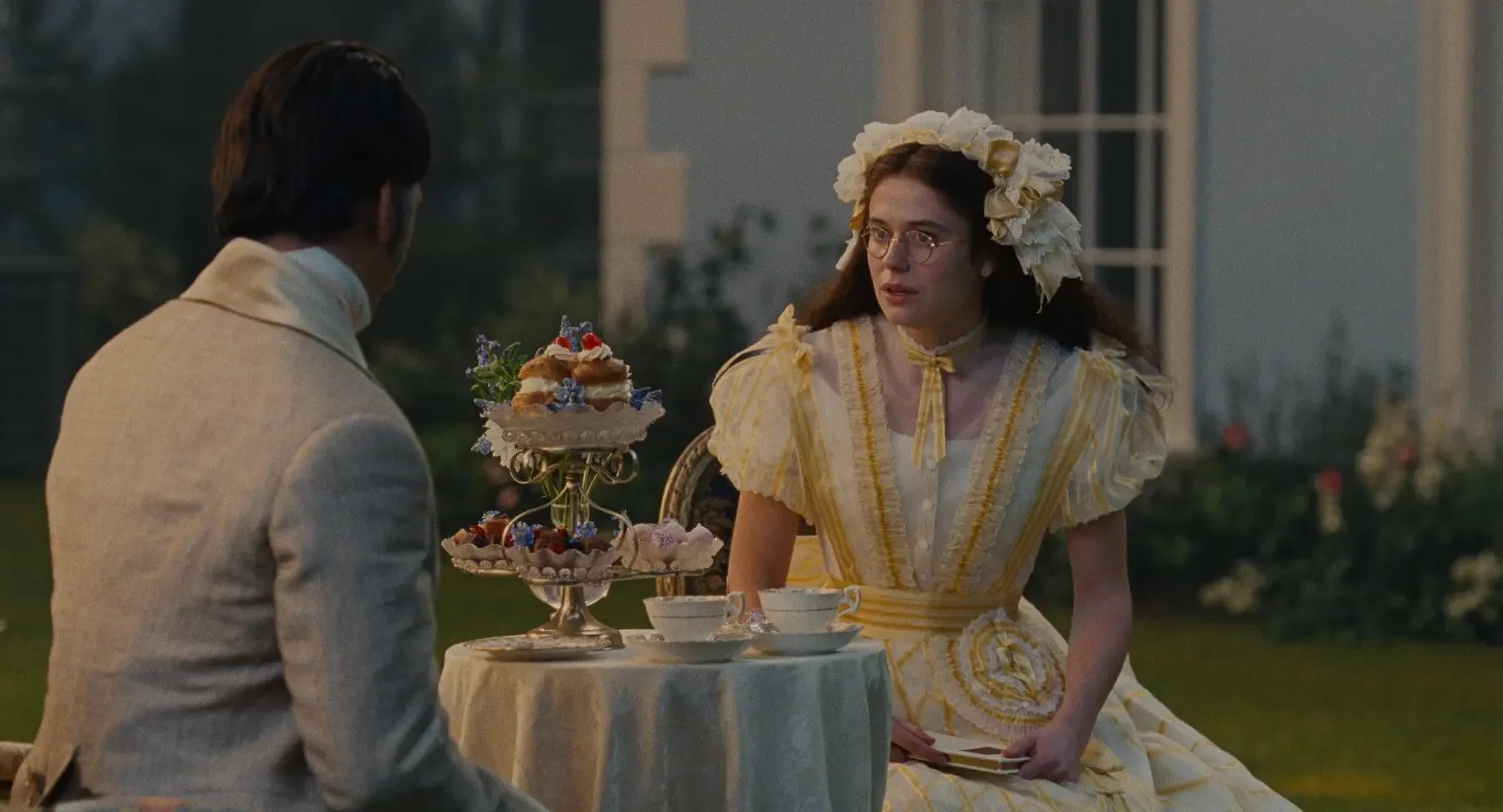
The over-the-top and somewhat controversial costumes of Wuthering Heights help the audience to better understand each of the characters and the role they play in the film. Although not all the costumes were historically accurate to the time period, their uniqueness and eccentric detail deserve to be praised. I think the combined features from the 18th century and the 21st century make for incredibly special and quirky looks for each character. The costumes hold deeper meanings made up of the experiences that the characters go through. This beautifully tragic story that is Wuthering Heights is upsetting, but intense and I think the costumes only add to the obsessively strange emotion that is love, shown throughout the film.
Edited by Sophie Radbill and Shriya Samanta