DEFINITIVE: ACT III - GLORY AND GORE
Written by Theron Hilbert
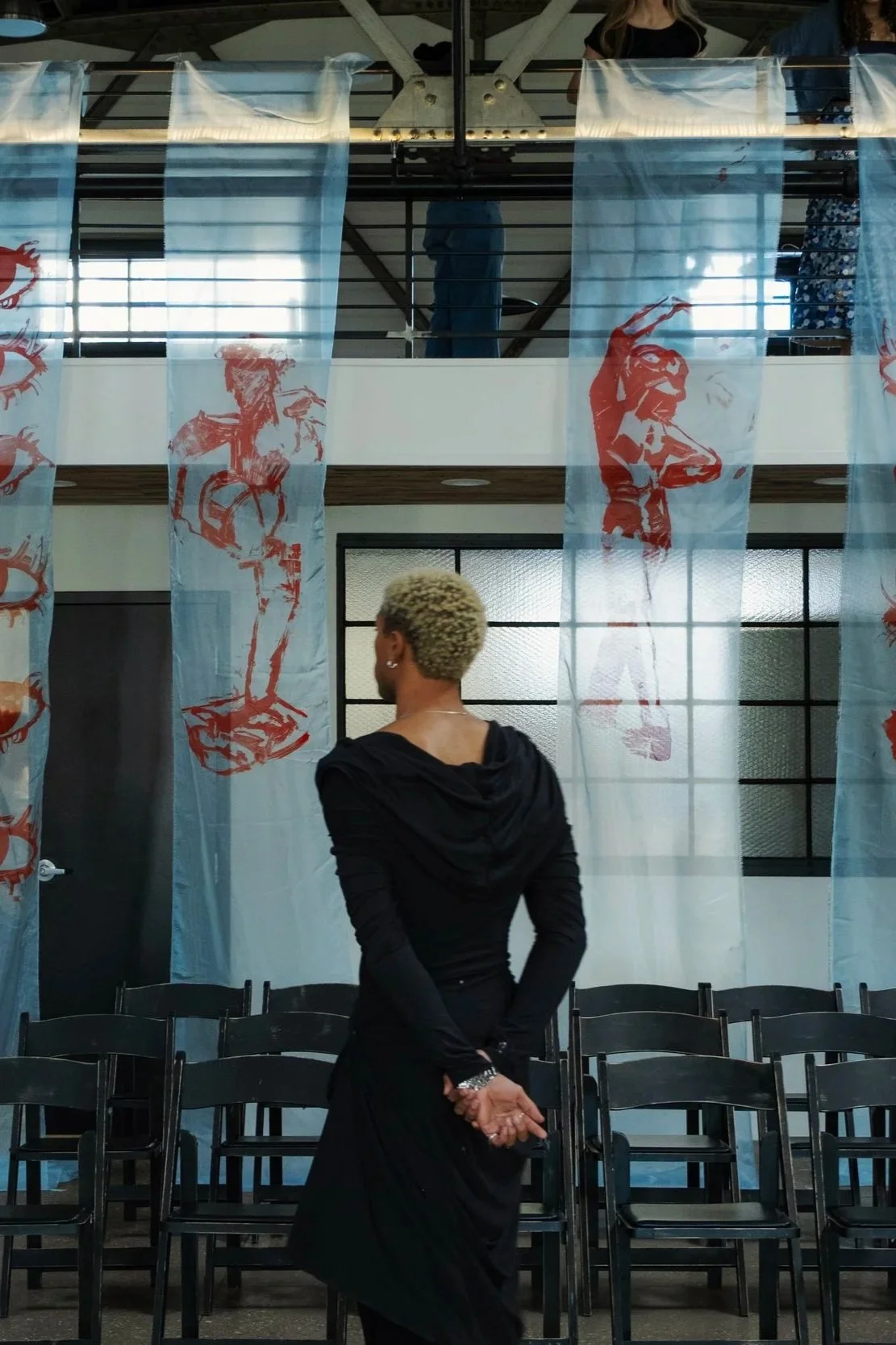
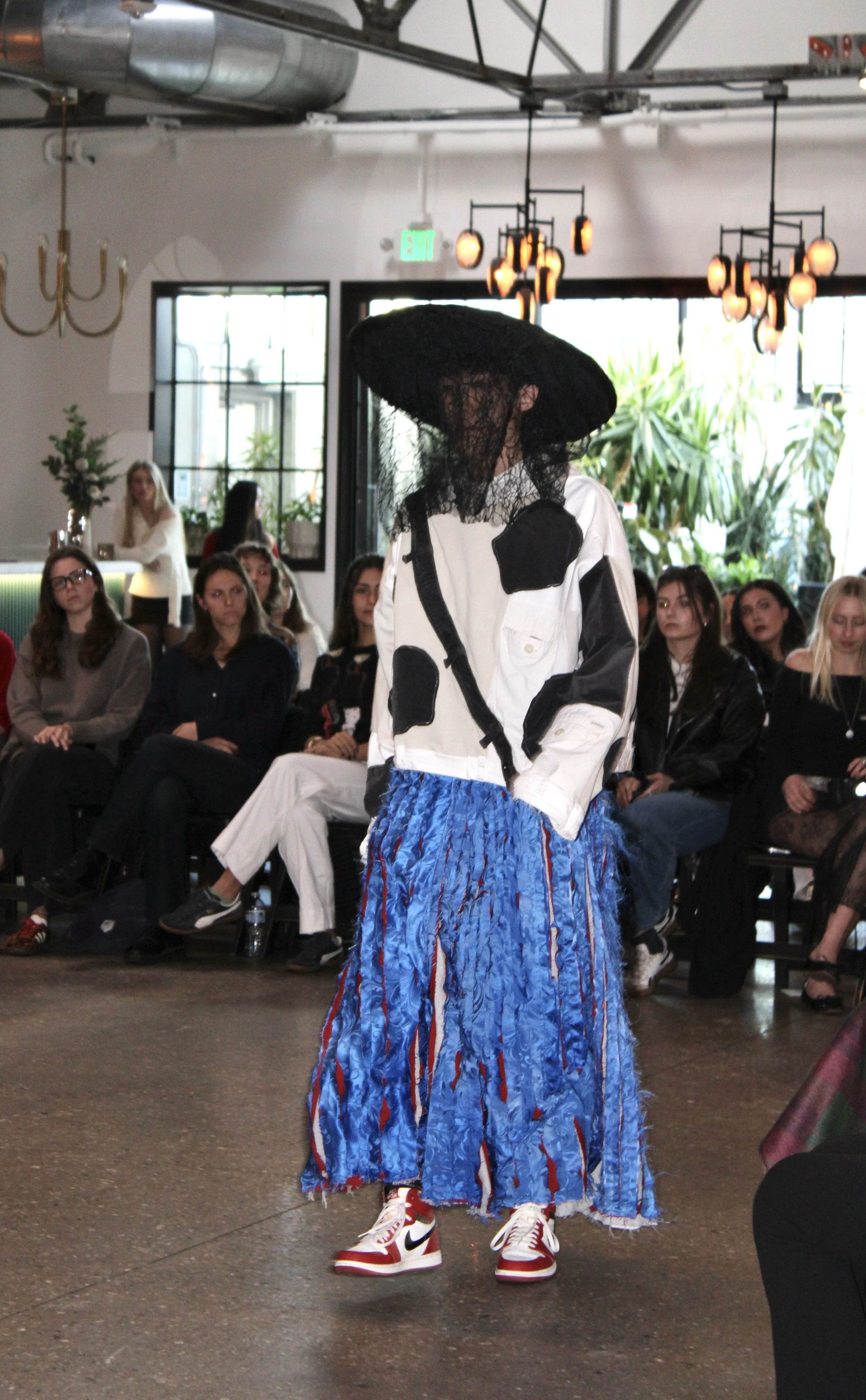
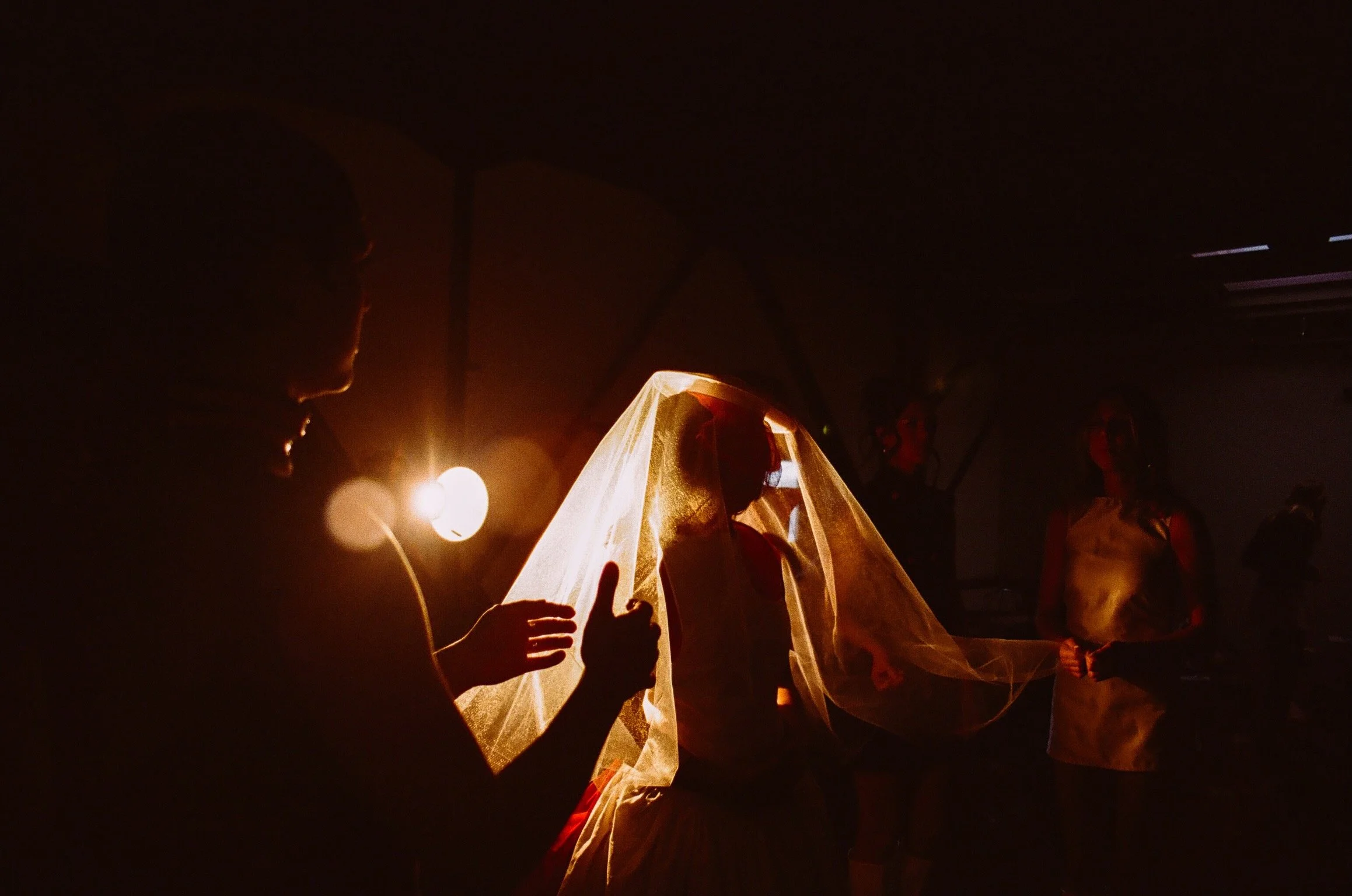
The Tinsmith felt alive with excitement, its industrial ceilings softened by nostalgic amber hues as anticipation hung in the air. Every chair was taken, and every person seemed to know exactly what they were there to witness. On the night of December 7th, 2025, The Vault presented DEFINITIVE: Glory and Gore, a student-produced fashion show that was less about walking models down a runway and more about creating a living, breathing performance where beauty, chaos and theatricality collided in an utterly magnetic way.
Before the runway truly began, executive directors Annelise McDonald and Vesa Ljumani welcomed the crowd, followed by remarks from project manager Trinity Philbert, executive assistants Elena Bui and Lilly Hartzell, and creative director G Green. Each speaker praised the year-long journey that brought the collection to life. The introductions faded, and the models took over, their presence turning months of preparation into something tangible, alive and impossible to look away from.
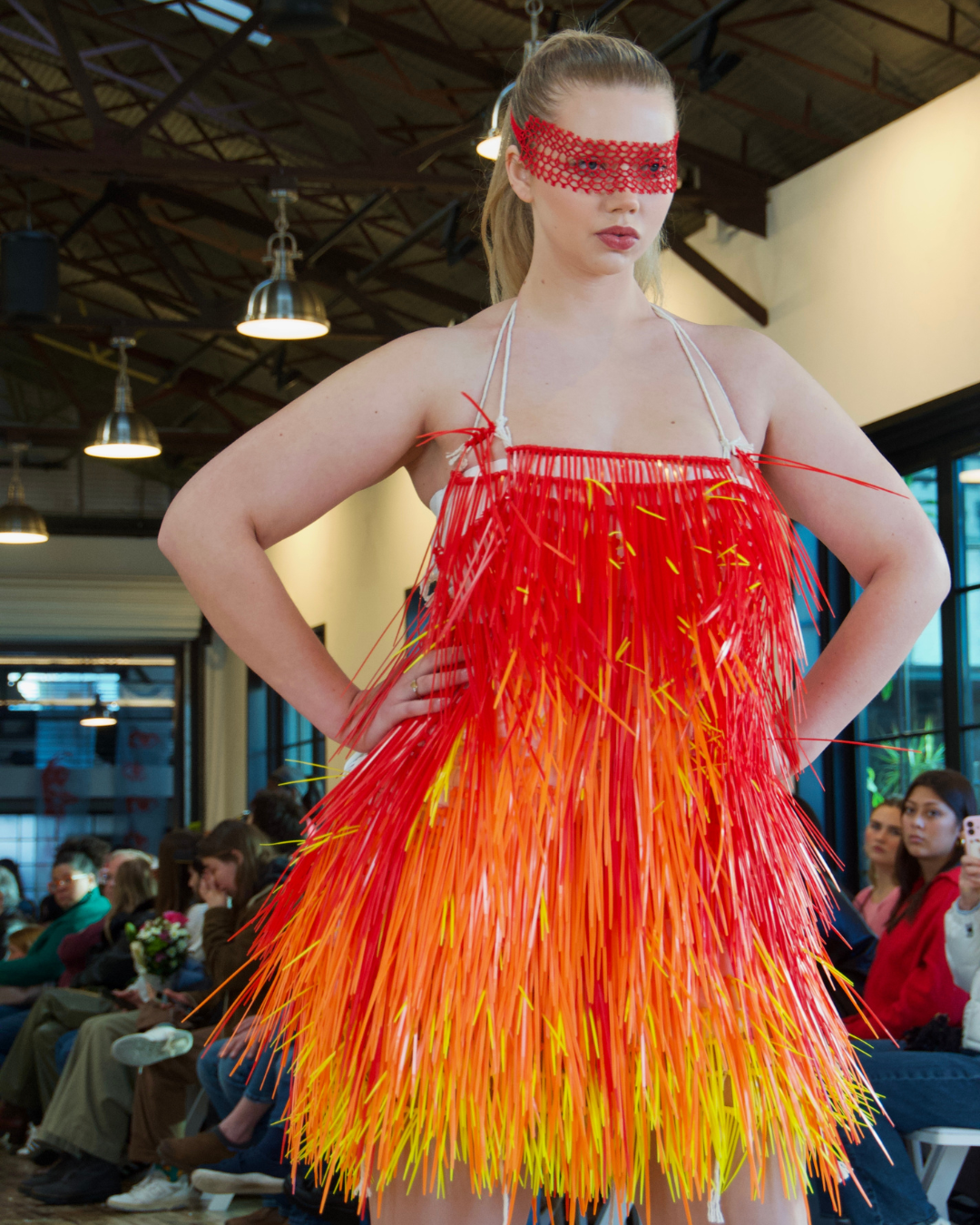
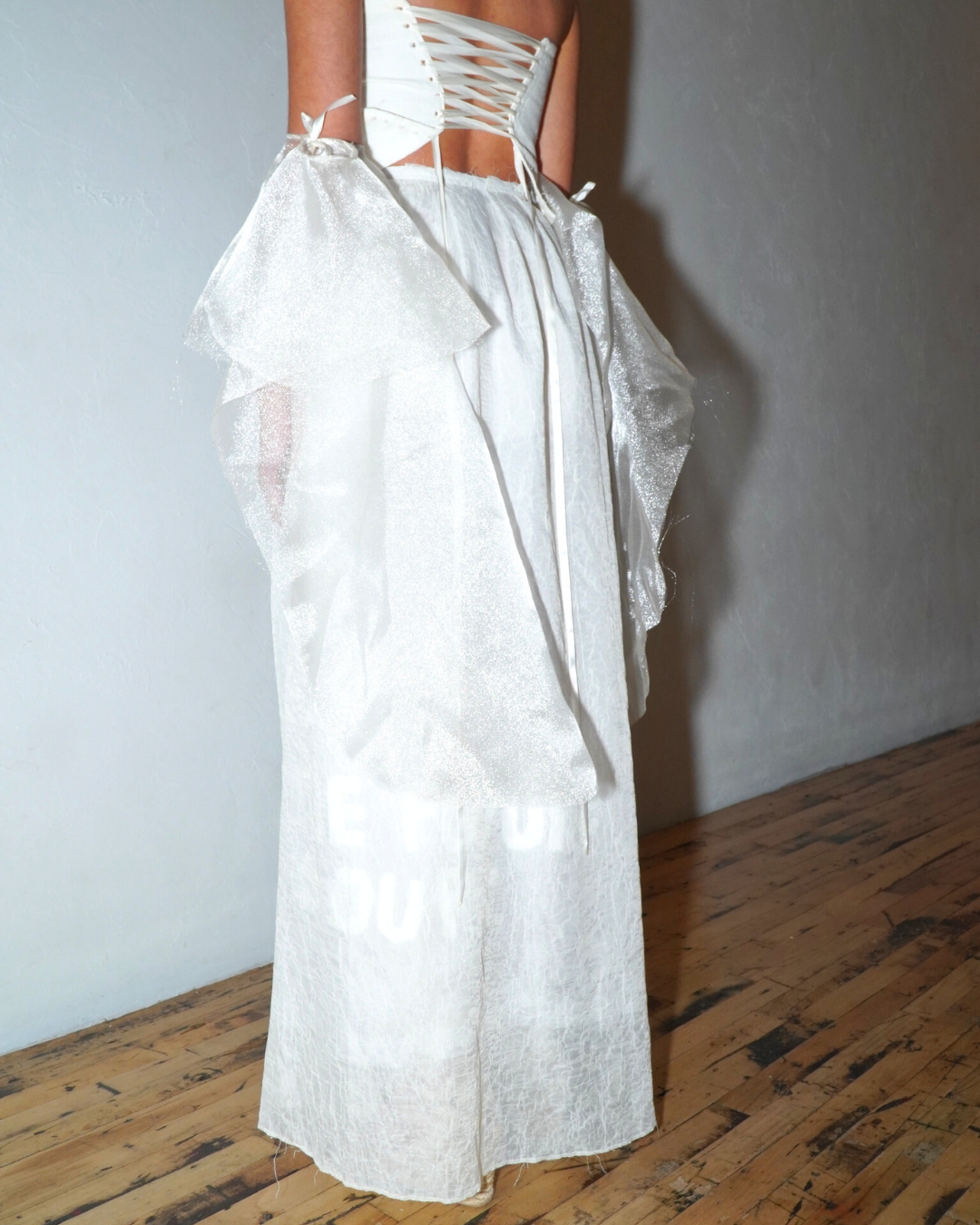
Then the energy shifted, erupting into the fiery chaos promised in the show’s title. A red zip-tie dress paired with a mesh mask came down the runway, explosive and aggressive in its textures, movement and confidence. Sheer white organza appeared next, asymmetrical and jagged, paired with harsh makeup that refused softness, emphasizing the tension between delicacy and aggression that coursed through the collection. Structured green dresses with floating bodices and crinoline-inspired hip shapes appeared soon after, their whimsical shapes contrasting with the sharper lines that followed, creating a rhythm between softness and structure, chaos and control.
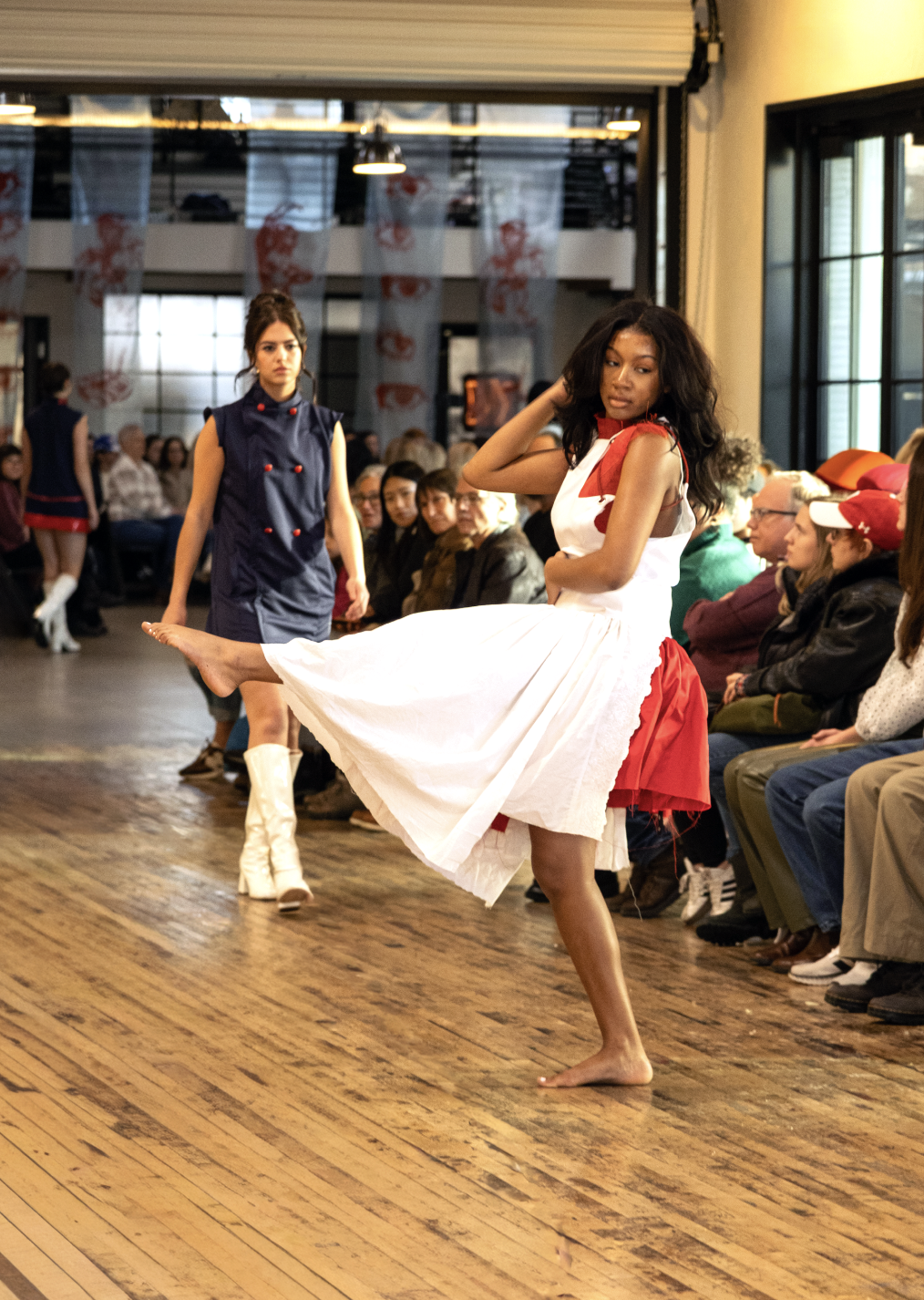
The show then introduced a sequence of mod-inspired looks: two-piece sailor sets with linen textures, latex accents, hot pants, go-go boots, high collars and sharp silhouettes that nodded to the retro while remaining inventive and contemporary. Red buttons became a recurring motif, punctuating the runway and tying looks together visually, offering continuity amid the drama. Later pieces blurred eras and references further. Distressed textures resembling paper mâché evoked a living dead girl, a visual that felt raw, unnerving and wholly committed to the theme.
DEFINITIVE: Glory and Gore wasn’t a traditional catwalk fashion show. It was a carefully orchestrated collision of style, movement, narrative, and texture, a night where student designers proved that when you give creativity space to breathe, the result can be beautiful, messy, theatrical, and utterly unforgettable. The collection embodied its title with precision and heart, leaving the audience both exhilarated and reverent, and marking the close of The Vault’s year-long endeavor in a fashionably unforgettable way.
Explore the full collection in our lookbook - www.thevaultuwmadison.com/definitive
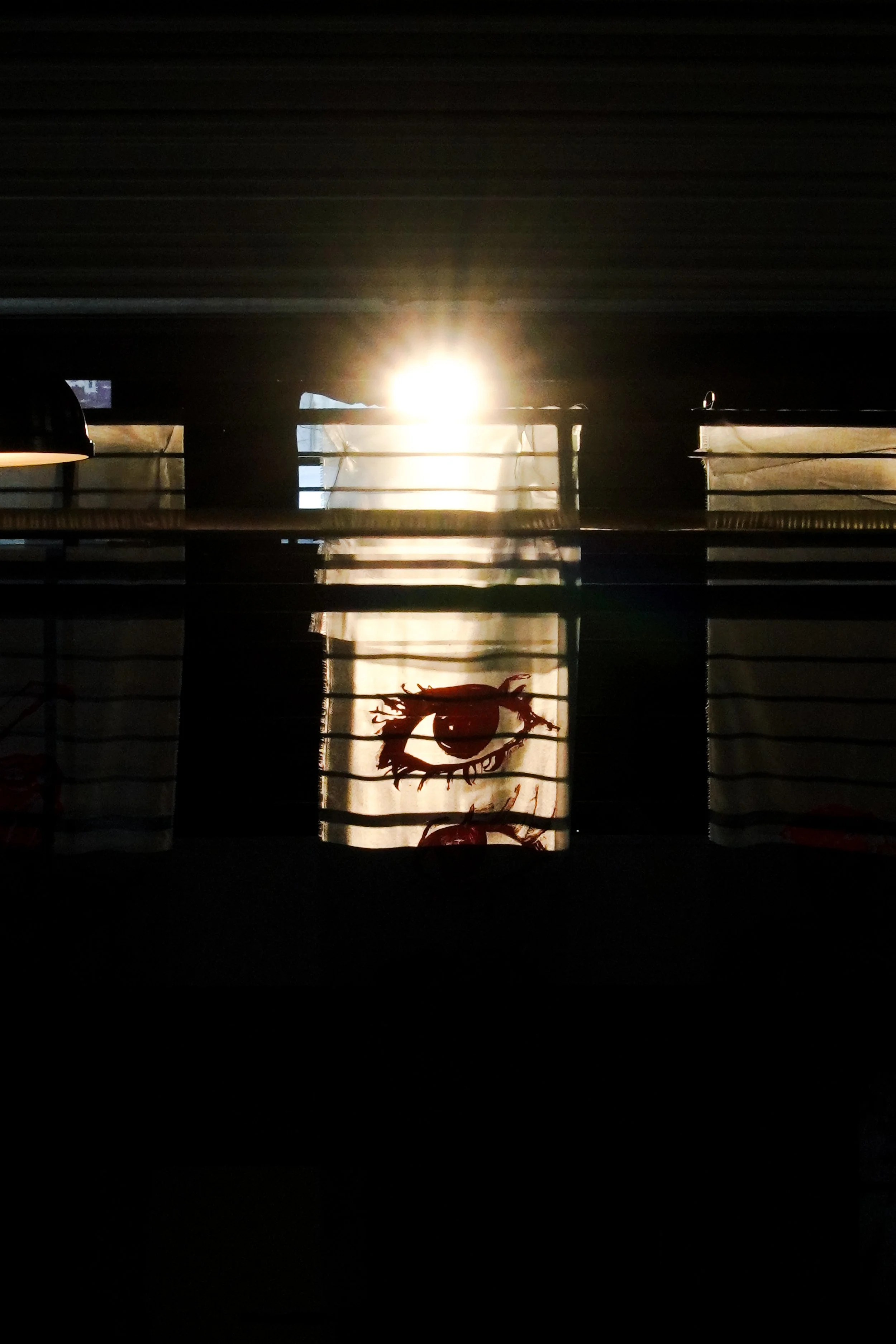
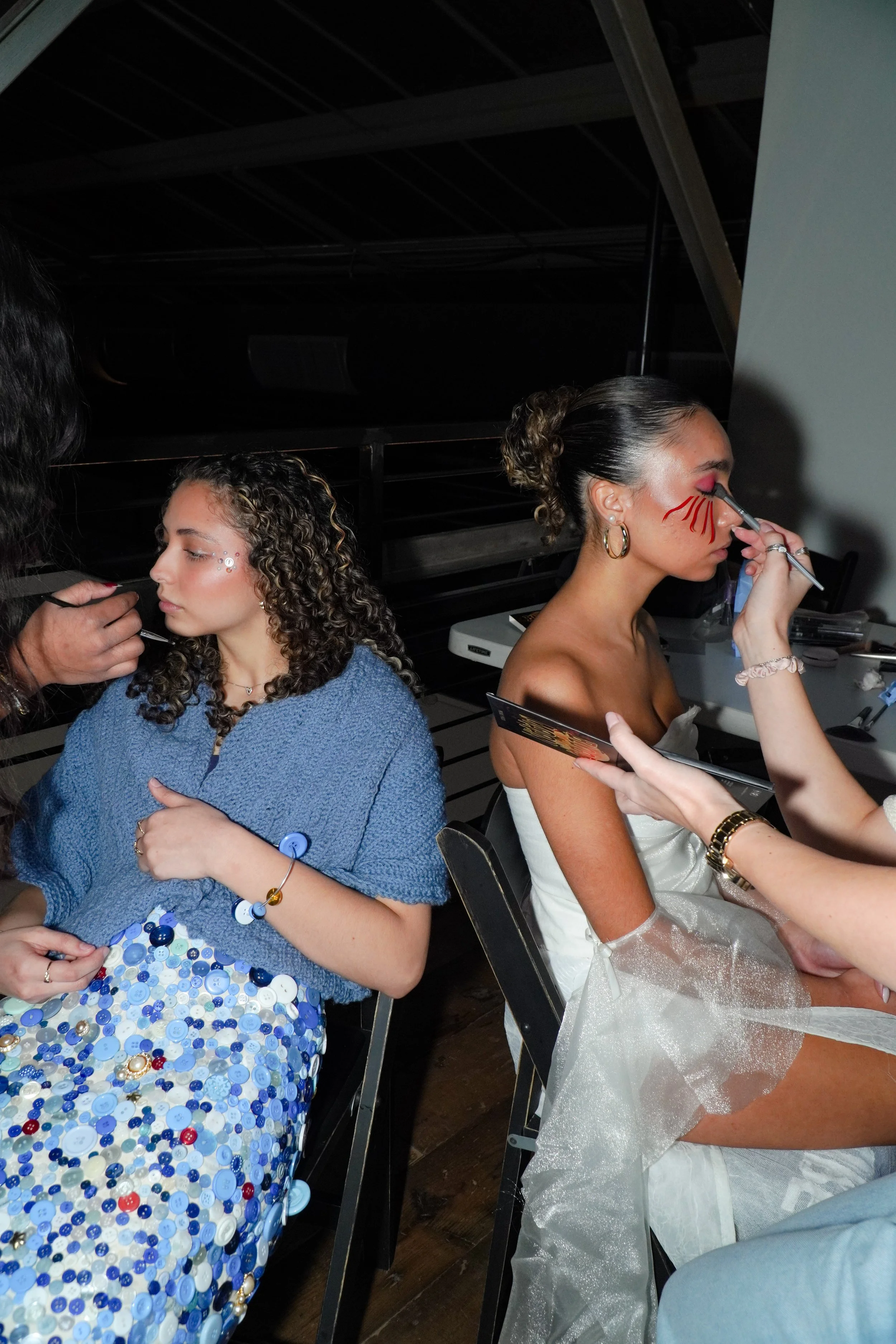
The models didn’t emerge from backstage. They began on the balcony at the back of the venue, descending the staircase and moving deliberately through the audience before stepping fully onto the catwalk, a design choice that made the audience complicit in the show, drawing them into the energy rather than leaving them as mere spectators. The Tinsmith was transformed. Shadows and light played across the venue and music hummed in a slightly eerie electronic techno vibe.
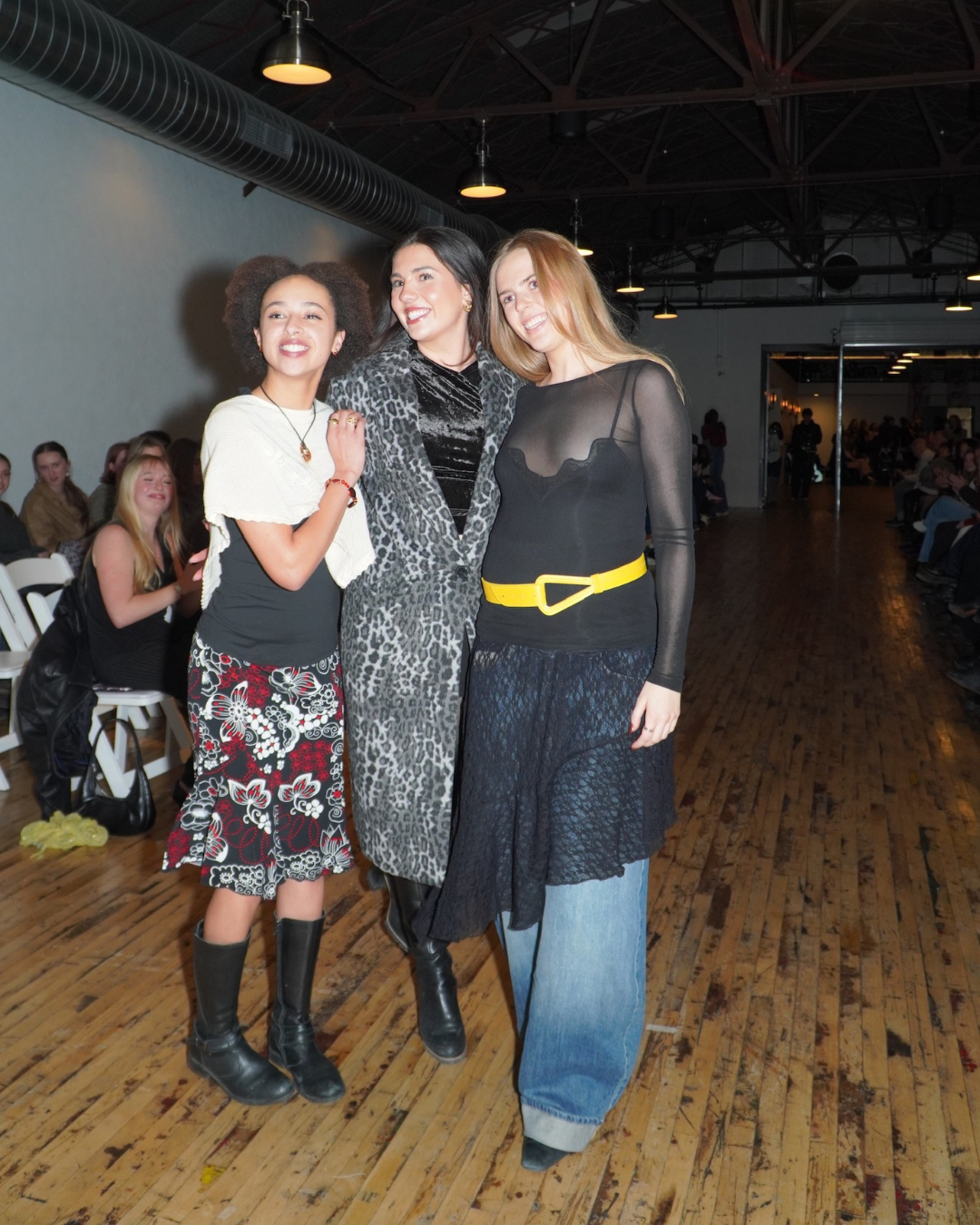
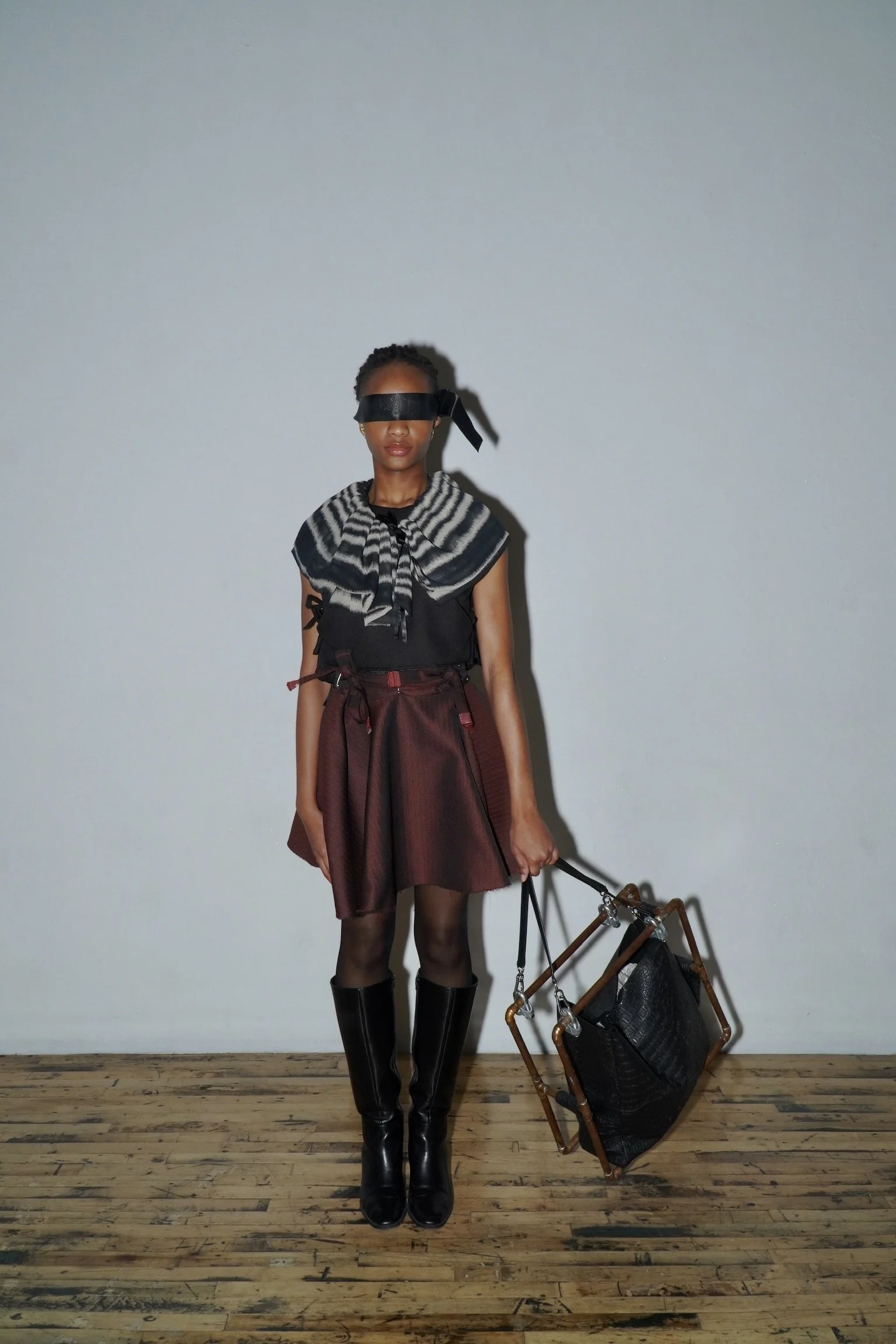
The first models appeared to slow, melodic music, descending the staircase in gowns that balanced romanticism and tension. A black full-length gown with a floral half-petticoat caught the light in ways that made the fabric feel almost alive. Sculptural accessories like copper-toned industrial bags and black blindfolds introduced a sense of anticipation and intrigue. Loose, flowing garments moved with the models, draping in soft folds that felt deliberate and commanding, evoking a sense of drama and movement. These initial moments established the show’s dichotomy; elegance and fragility countered with grit and edge, the audience holding its breath in response to every footstep.
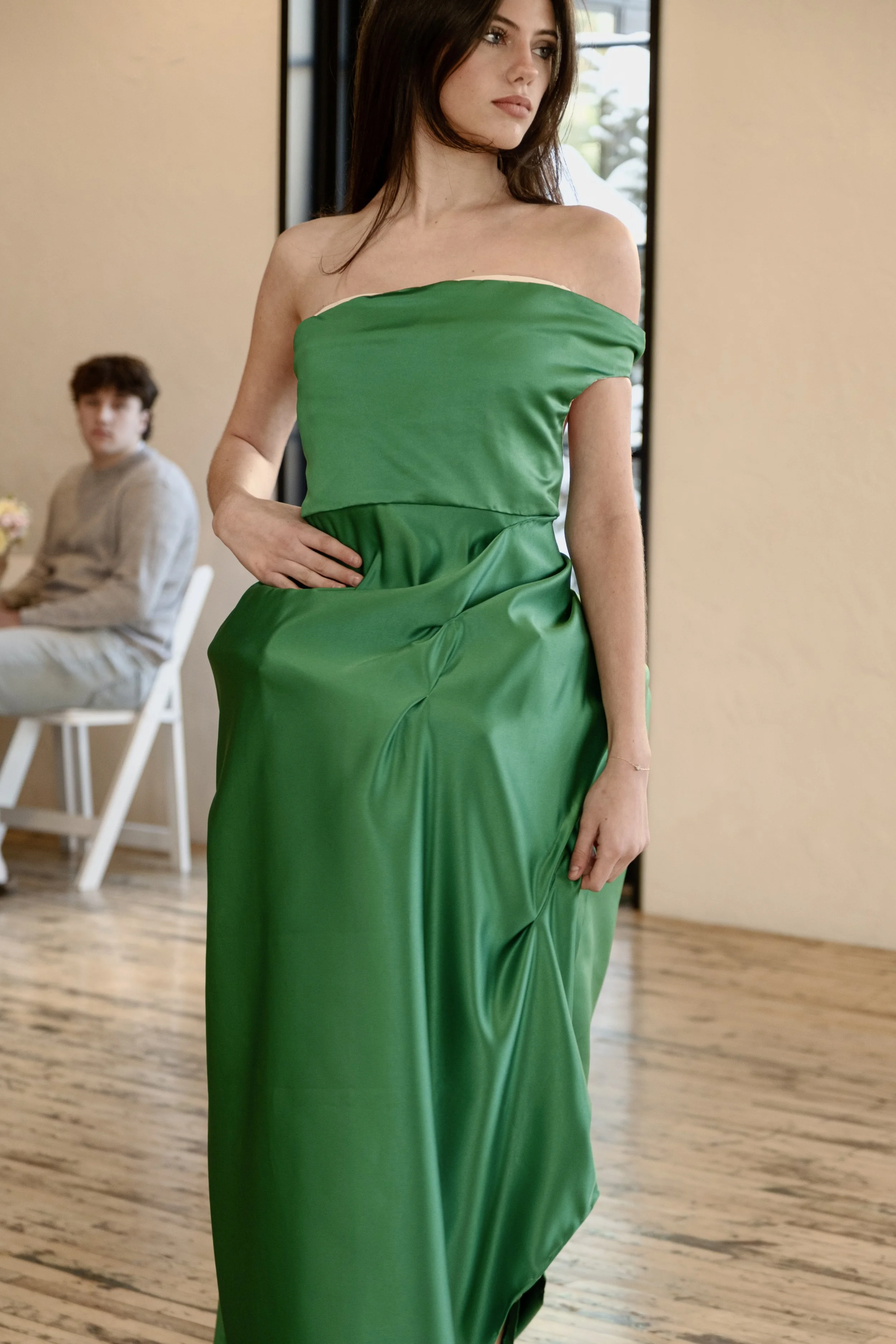
One of the night’s most captivating moments came when a barefoot model in a flowing asymmetrical midi dress transformed the runway into a performance. She danced through the space, light and fluid, fully inhabiting her look, before being abruptly and dramatically dragged off by other models in a gesture that was both shocking and perfectly choreographed, eliciting stunned expressions from audience members. The tension between performance and display, control and chaos, reached its peak in that single movement, and the energy of the room responded instantly.

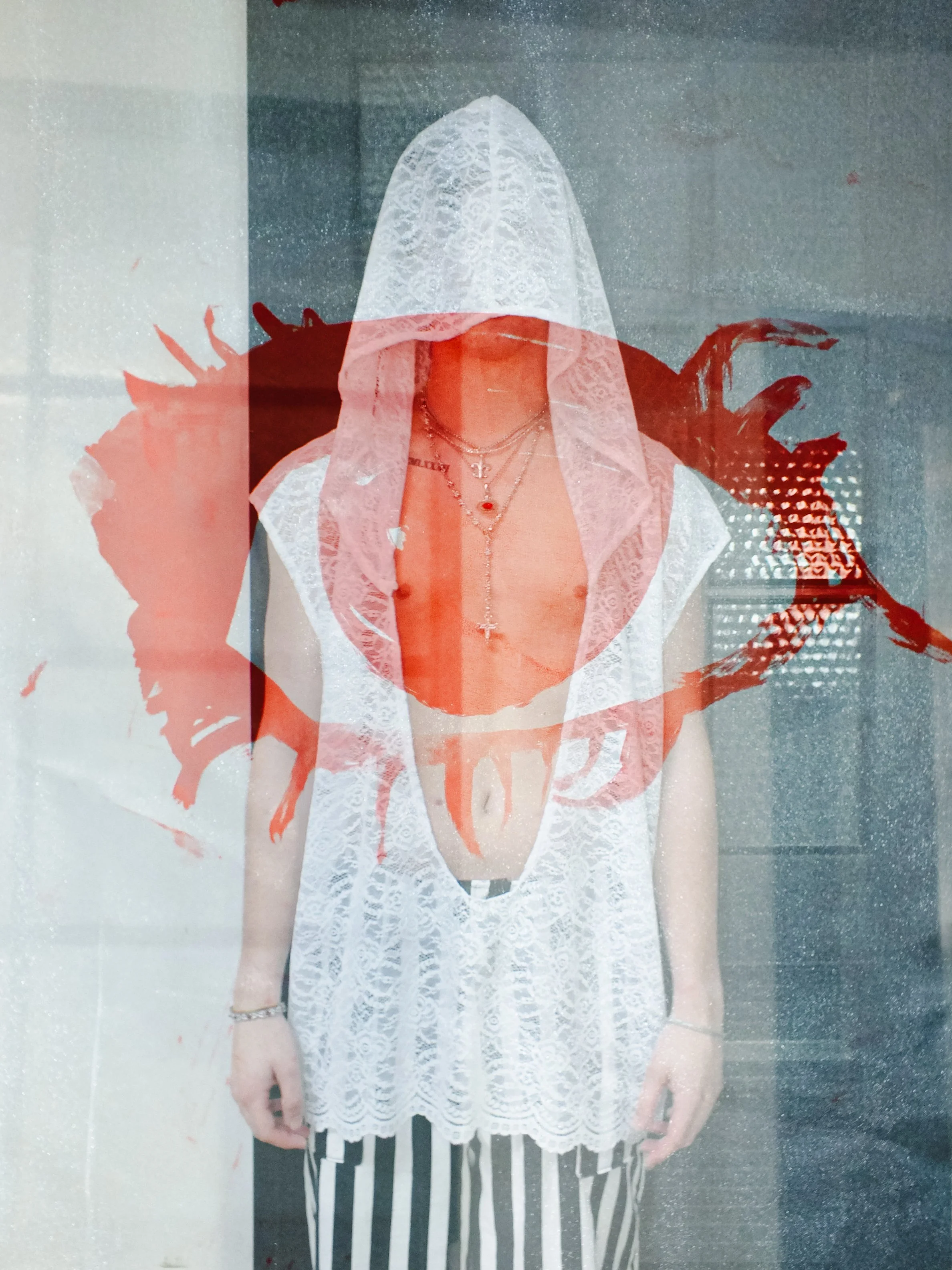
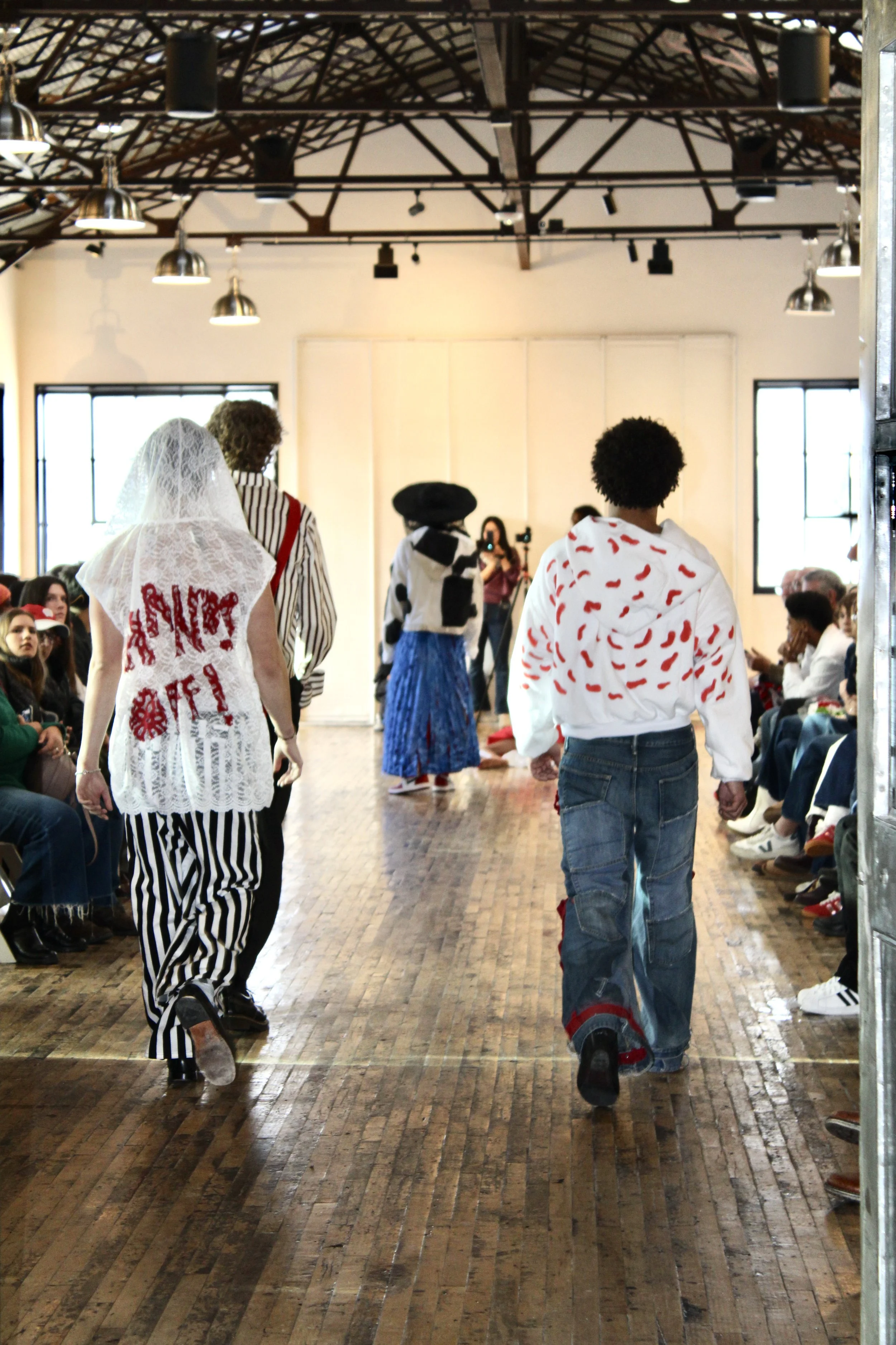
As the final segment approached, layered, utilitarian looks appeared: hooded tunics, patchwork jeans, striped trousers and practical-yet-stylized ensembles that grounded the show without draining its intensity. The closing moments brought a sense of release, as Chaka Khan’s “I’m Every Woman” filled the Tinsmith. Celebratory, infectious, and perfectly timed to the end of the performance. Applause rang long and loud, honoring the models, the designers, the directors, and the creative risk taken by every person involved.