
Written by Kate Kowalczyk
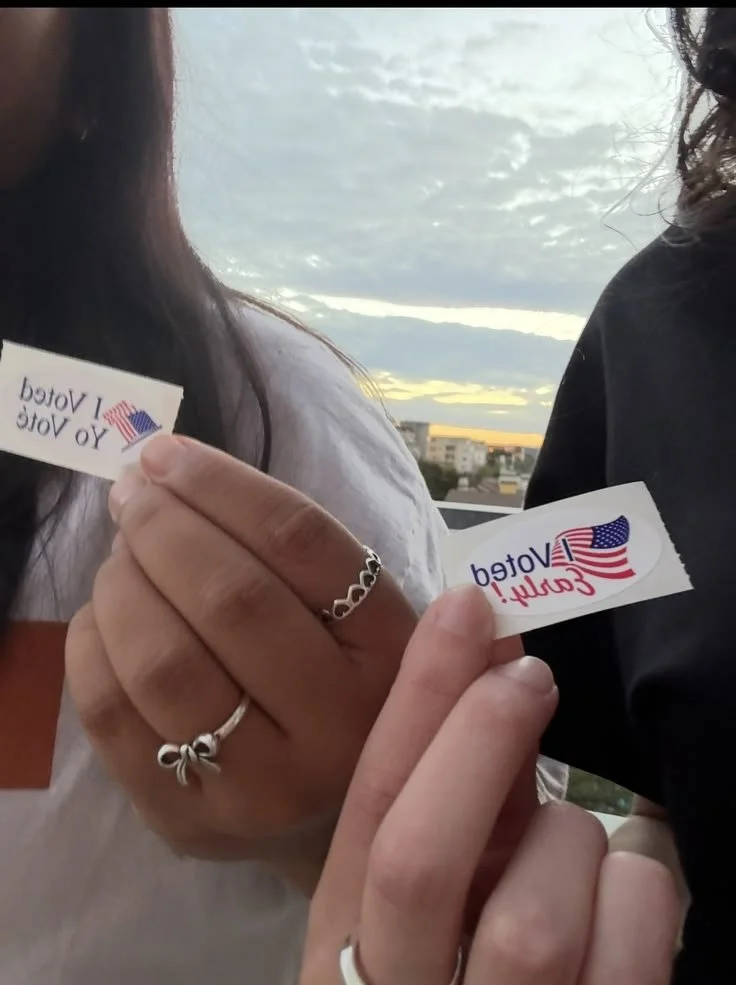
You leave your polling place, your ballot submitted, and someone hands you a small sticker. You place it on your shirt, take a selfie, and maybe post it on social media. While it may seem like a simple gesture, the small “I Voted” sticker represents something much larger than casting a ballot on Election Day.
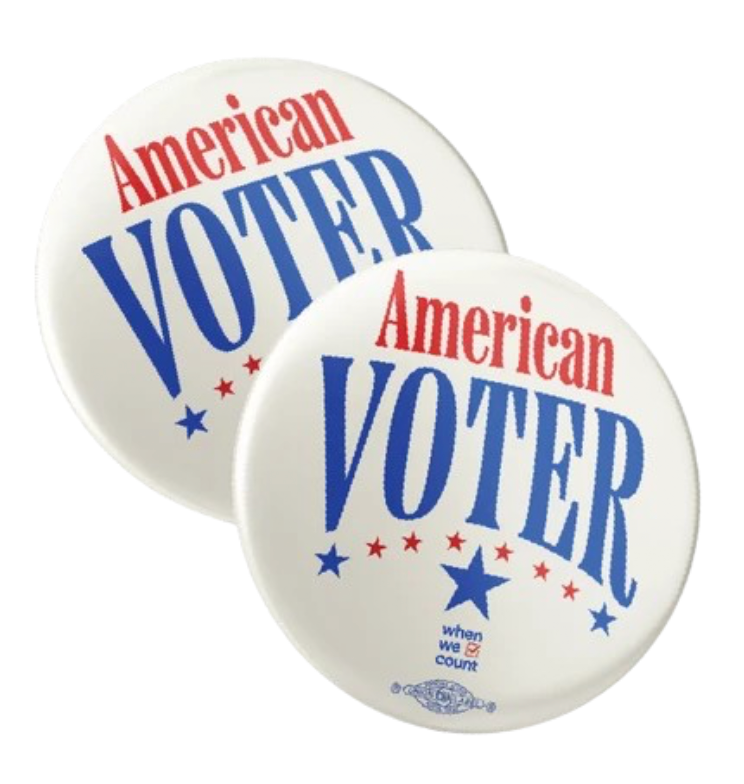
From political buttons and campaign merchandise to voting-themed clothing, accessories have become a way for people to express their political identities, connect with others, and celebrate civic participation. But can something as simple as a sticker actually encourage someone to participate in democracy? These seemingly small and insignificant accessories can transform an individual responsibility into a visible and shared experience. Through symbolism, social influence, and personal expression, voting accessories can help make civic engagement a part of everyday culture.
The significance of these accessories comes from their ability to make an otherwise private action publicly recognizable.Voting itself takes place behind closed doors, and individuals typically do not share the detail of their ballots with others. However, wearing an “I Voted” sticker allows someone to communicate that they participated without revealing who they voted for. The sticker becomes a visual representation of civic responsibility, allowing individuals to express their involvement in democracy while maintaining the privacy of their political decision. In this way, voting accessories become public symbols of civic participation.
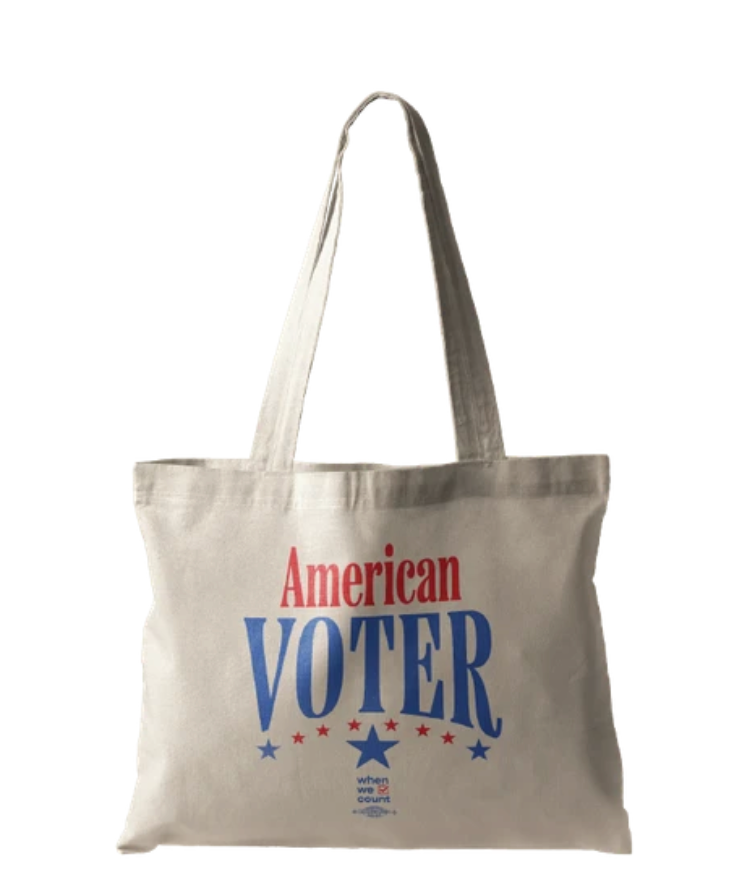
Although an “I Voted” sticker may link people who share the same values, political agreement isn’t necessarily required for civic belonging. This distinction is particularly important in an increasingly divided society. Oftentimes, political accessories communicate support for specific candidates or political movements. Voting themed accessories, on the other hand, represent something broader than political affiliation. “I Voted” accessories can represent participation in a shared democratic process. Individuals may disagree about candidates, policies, and political ideologies, and yet the experience of submitting a ballot and participating in the same process is shared. Acts of civic engagement like casting a vote can create a sense of belonging that extends beyond individual political differences.
Voting accessories show how fashion can be used as a form of expression, communication, and activism. Wearing an “I Voted” pin, bag, or shirt can incorporate this communication and political activism into everyday outfits and identity. In addition, they allow politics to enter spaces where these conversations might not have otherwise happened. These accessories create opportunities for people to exchange perspectives, ask questions, communicate support, and introduce political issues into everyday conversations.
Publicly celebrating voting through “I Voted” accessories helps make civic engagement a part of everyday culture rather than something that only happens on Election Day. They make voting visible, encourage social influence, create community, spark conversations, and express political identity. As a result, fashion becomes more than a form of expression; it becomes another way for individuals to engage with the world around them. By wearing political and voting accessories, individuals carry their voice on their sleeve.
Edited by: Claudia Rothberg, Leila Ianovici and Jordyn Salahiddine-Rose