
Representation on the Biggest Stage: The Power of Bad Bunny’s Halftime Show
Written by Molly Bloomfield
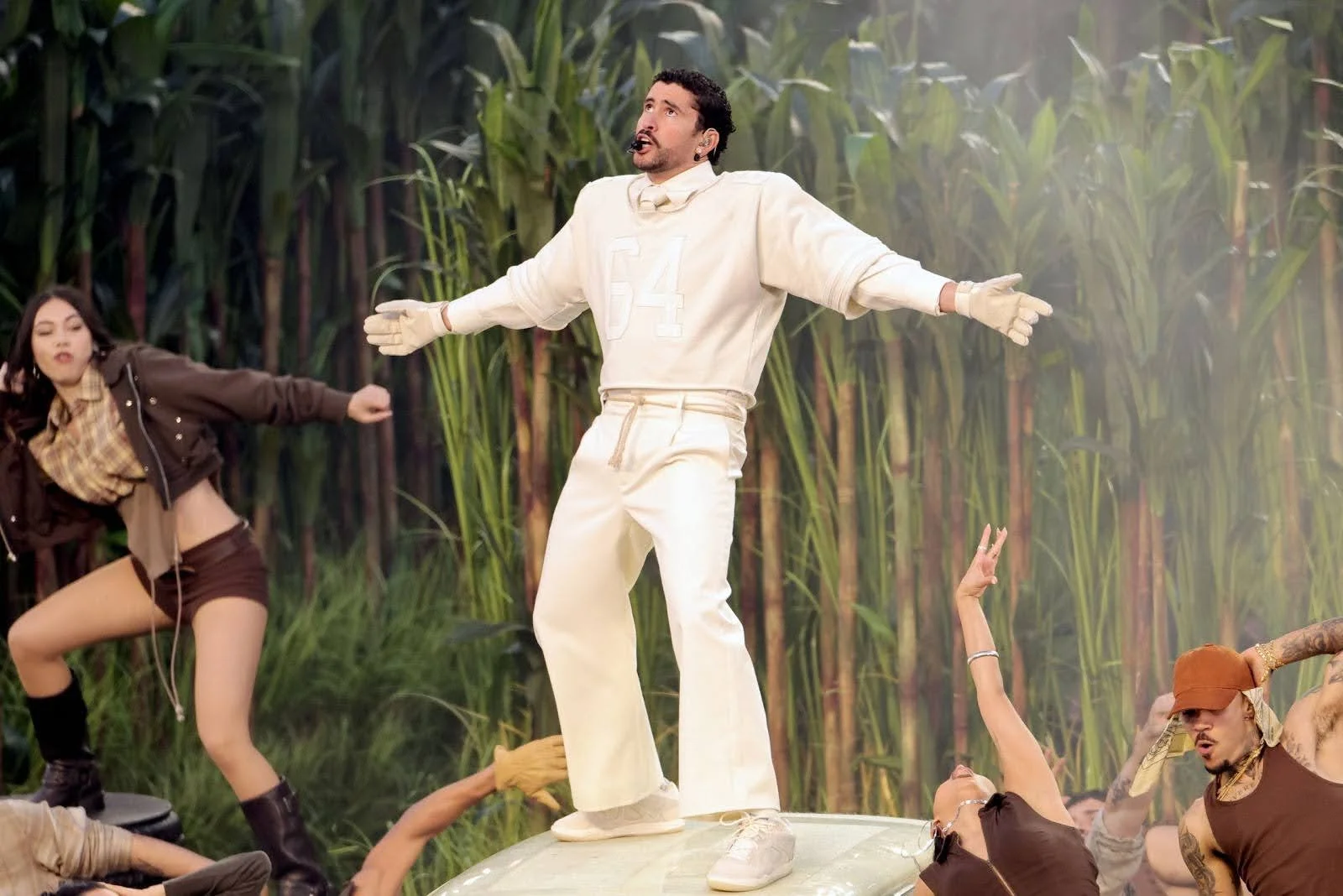
When Benito Antonio Martínez Oscasio, also known as Bad Bunny, stepped out at Levi’s stadium two Sundays ago, he made history as the first artist to perform at the Super Bowl entirely in Spanish. The eagerly-awaited and somehow controversial halftime show sparked conversations all across America about what it means to be a Puerto-Rican and American artist. Turning Point USA, a conservative organization, even hosted their own “All-American” halftime show in retaliation for Bad Bunny’s Spanish-only performance, despite only having 5 million viewers. But Bad Bunny did not create an overt political statement as his naysayers anticipated, instead choosing to embrace his culture and the culture of all North, Central, and South American countries. The performance’s themes were love, dance, and joy.
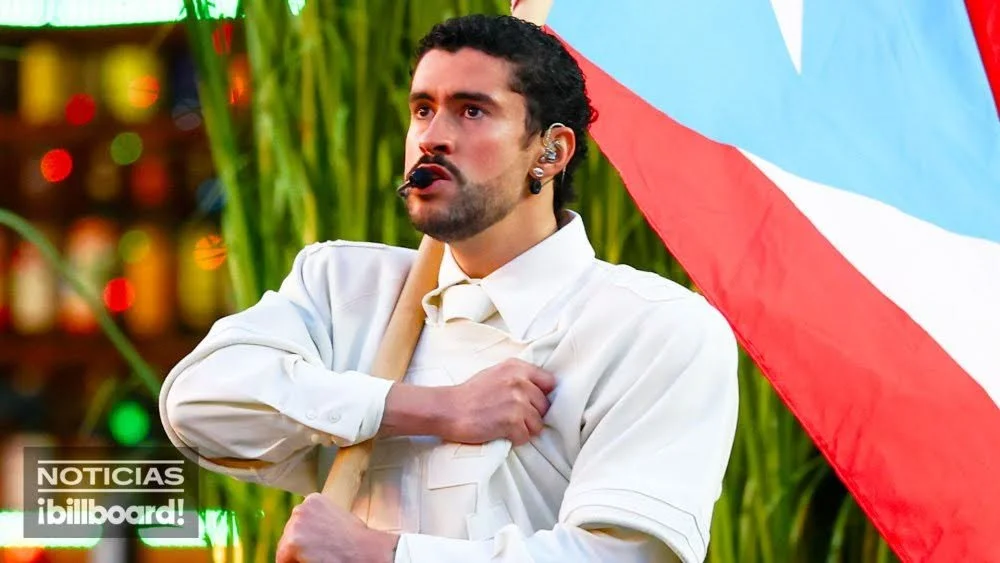
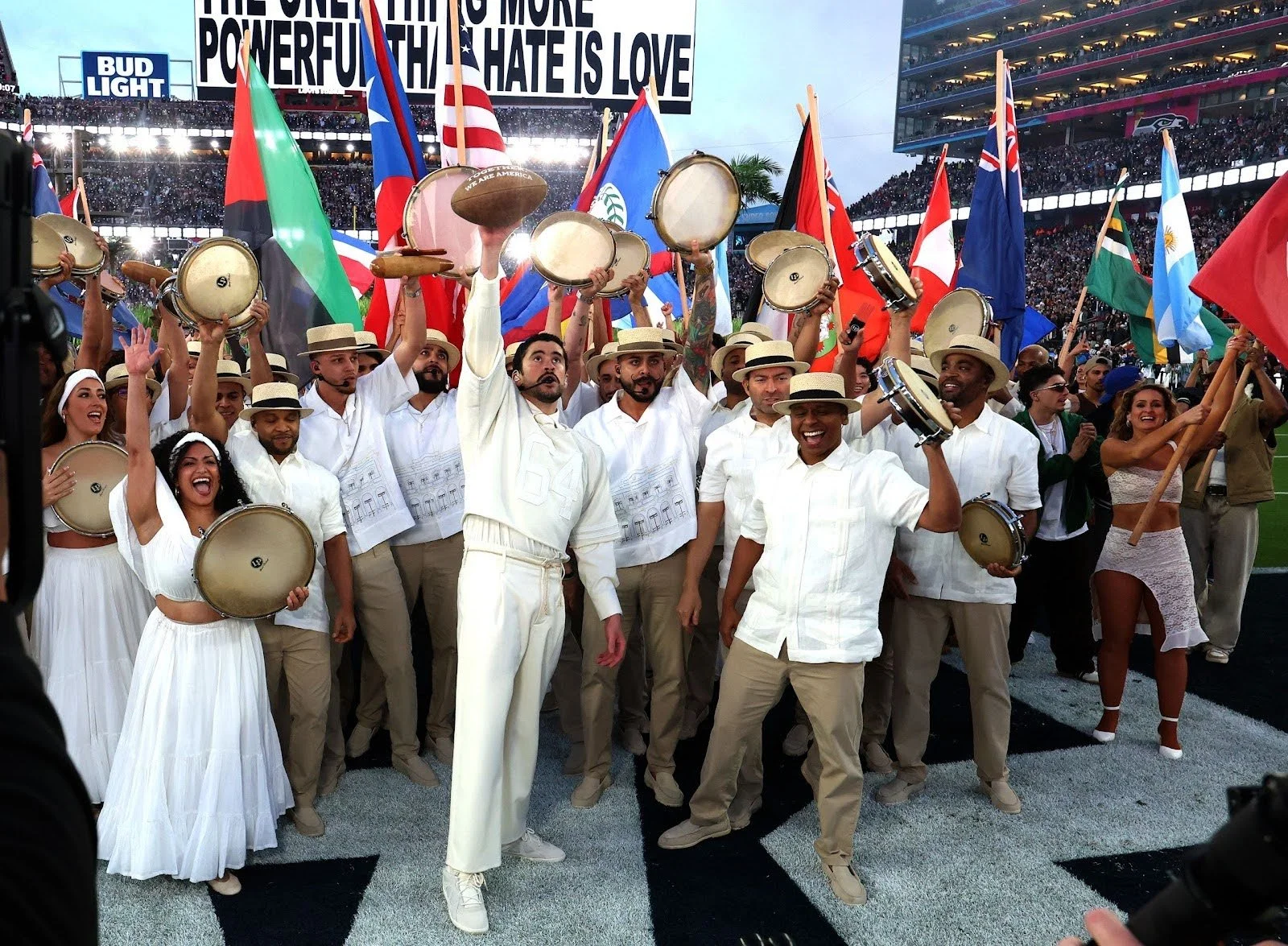
Bad Bunny excelled, delivering an exceptional performance, embracing his Puerto-Rican roots and turning the football stadium into a celebration of music and togetherness. Bad Bunny paid homage to Puerto Rico through including a group of older men playing dominos, by referencing the country’s history in the exploitation of sugarcane, and highlighting a woman selling plantains: a classic Puerto Rican dish. The 13- minute long performance reached 135.4 million viewers, setting the record for the most-watched Super Bowl halftime show. To supplement Bad Bunny’s show, iconic Puerto-Rican singer Ricky Martin performed a moving rendition of “LO QUE LE PASO A HAWAii”, and pop icon Lady Gaga performed her hit “Die with a Smile” in a Latin style. Other stars were shown on stage enjoying the music, including rapper Cardi B, actors Pedro Pascal and Jessica Alba, singer Karol G, and influencer Alix Earle.
Stepping out through sugar canes, Bad Bunny sported an all-white Zara outfit with shoulderpads and the number 64 on the jersey. 64 references his uncle’s birth year, 1964, who taught Bad Bunny all about football and who passed away in 2024. The outfit gives tribute to his uncle, as well as further celebrating his Spanish-speaking heritage, since the brand Zara originated in Spain.
For the second part of his performance, Bad Bunny put on a cream-colored suit over his jersey, upscaling his outfit for his hit “Baile Inolvidable”. Other hits sung included “Tití me pregunto”, “Yo perrero sola”, “EoO”, “Monaco”, “NUEVAYoL”, and “DtMF”.
Beyond the fashion, his message was resounding: together, we are all American, and the only thing more powerful than hate is love. In times of political discourse, fear, and anxiety, Bad Bunny demonstrated that the best thing we can do is dance it out and love each other.
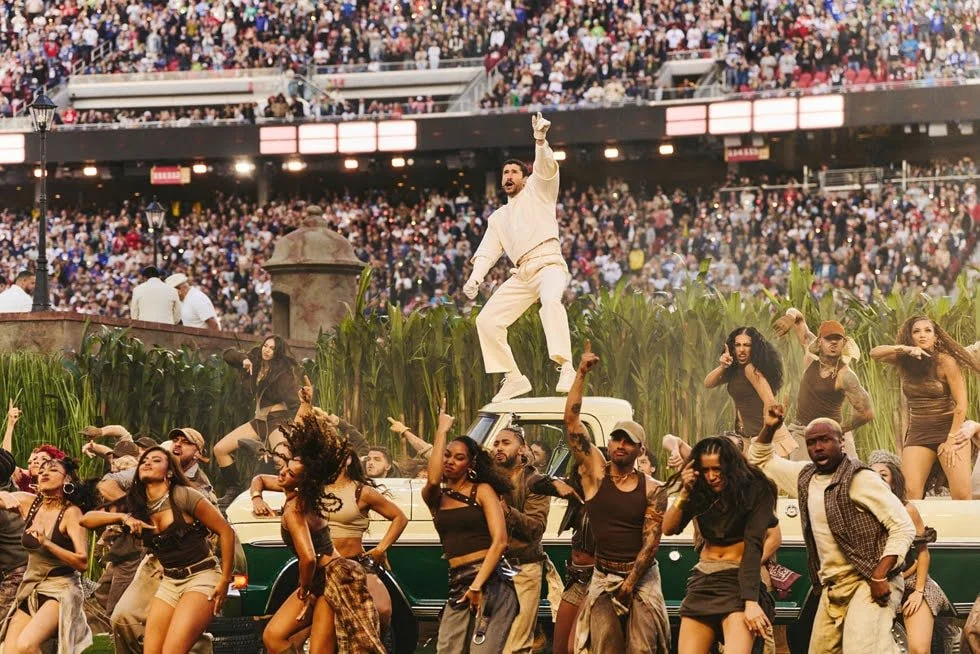
UW-Madison freshman Madison Shafer found this especially moving, as her grandmother immigrated from Cuba to America before her dad was born. Maddie immediately texted her grandmother after Bad Bunny gave a shoutout to Cuba. That shoutout “‘touched her so deeply and highlighted the importance of real representation".
Whether it be from his fashion, music, or his cultural impact, we can all learn a lot from Bad Bunny and go forth with more love.
Edited by Robin Schleusner
Sources: https://www.vogue.com/article/bad-bunny-super-bowl-2026-outfit-halftime-show
https://rollingout.com/2026/02/10/why-bad-bunny-deleted-all-his-instagram/
https://variety.com/2026/music/columns/bad-bunny-kid-rock-turning-point-super-bowl-1236656506/