
How the Holiday of Love Influences What We Wear
Written by Ana Massoglia
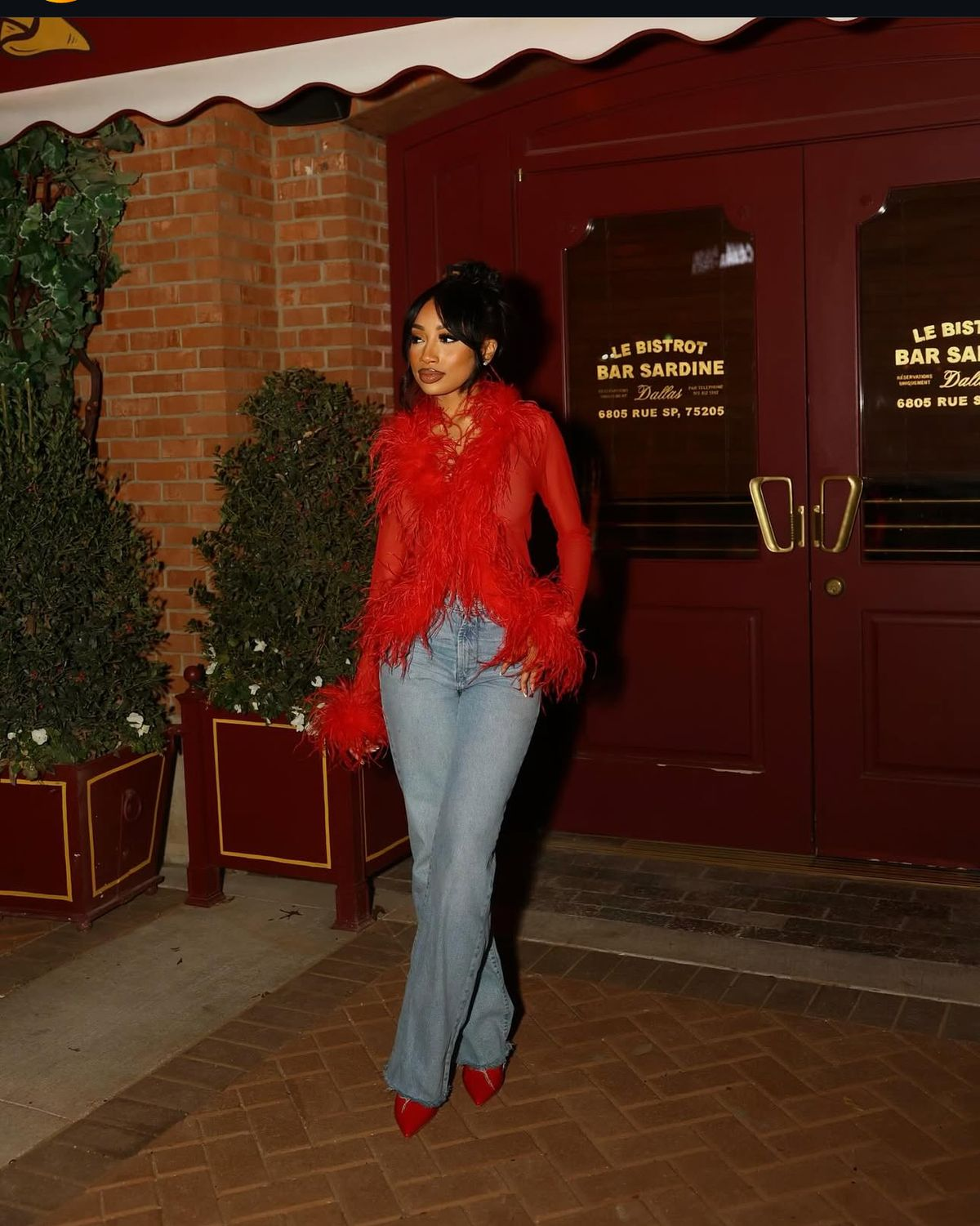
February brings on certain feelings for many people, especially around Valentine’s Day. Regardless of if this is your favorite holiday or one you wish you could skip, there is no doubt that our clothing shifts with the season. As the season approaches, wardrobes tend to warp in response to both the weather and the mood surrounding the holiday. These changes aren’t always intentional, but they reflect a collective move towards softer textures, brighter colors and romantic silhouettes. Fashion responds not only to trends, but also to emotion, and this season brings with it a collective mood that shapes what we choose to wear.
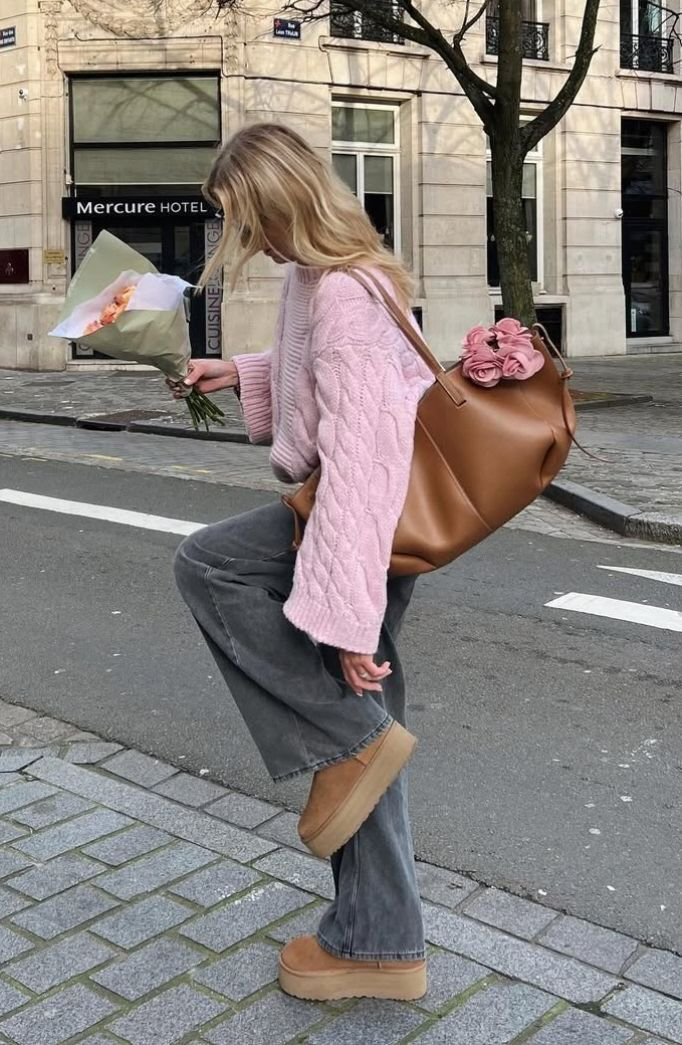
As winter begins to turn into early spring, clothing naturally adapts. Heavy outerwear and practical layers give way to softer silhouettes, warmer knits, and more intentional outfits. We tend to gain some of our personal style back, since not everything needs to be covered with a large coat. Fabrics like wool blends, cashmere, satin, and ribbed knits become staples, balancing comfort with a sense of polish. Even everyday looks begin to feel more curated, reflecting the season’s emphasis on warmth, intimacy, and confidence. These shifts aren’t necessarily about dressing for a specific event, they’re about how people want to feel during this time of year.
Color plays a significant role in this transformation. Winter, which is so often characterized by blues, blacks, and browns, fades away and many people incorporate softer tones like blush, burgundy, cream, and muted neutrals into their wardrobes. Additionally, red and pink, which are most often associated with Valentine’s Day, become the backbone of statement pieces. When you look around throughout the week, fun red and pink dresses, tops, skirts and sweaters will catch your eye as people dress to emulate the holiday.
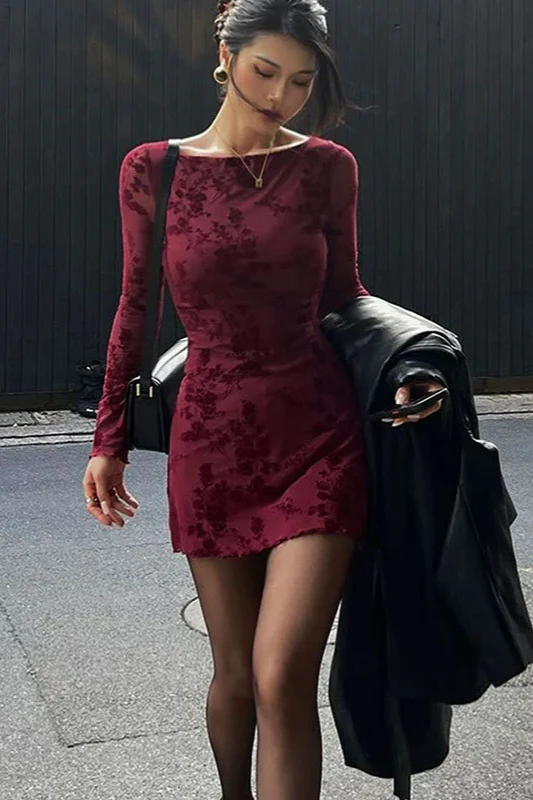
Texturing also becomes a focus during Valentine’s Day season. Romantic detailing can be found in lace, ruching, and ribbed fabrics, with gentle tailoring offering more visual interest than our average outfits. Fuzzy, patterned, and of course heart-covered styles become more popular as individuals attempt to radiate the warmth that this holiday represents.
What makes every February particularly interesting in terms of fashion is that participation isn’t limited to couples or celebratory plans. The origin of Valentine’s Day comes from a festival in ancient Rome called Lupercalia. This festival celebrated fertility, love, and the coming of spring (Times of India, 2025). Even people who don’t acknowledge the holiday often dress differently during this time of year. The cultural atmosphere is filled with themes of love, confidence, hope, and excitement for spring that influence fashion choices across the board. People tend to approach dressing with greater awareness near the holiday, even if they don’t often celebrate it.
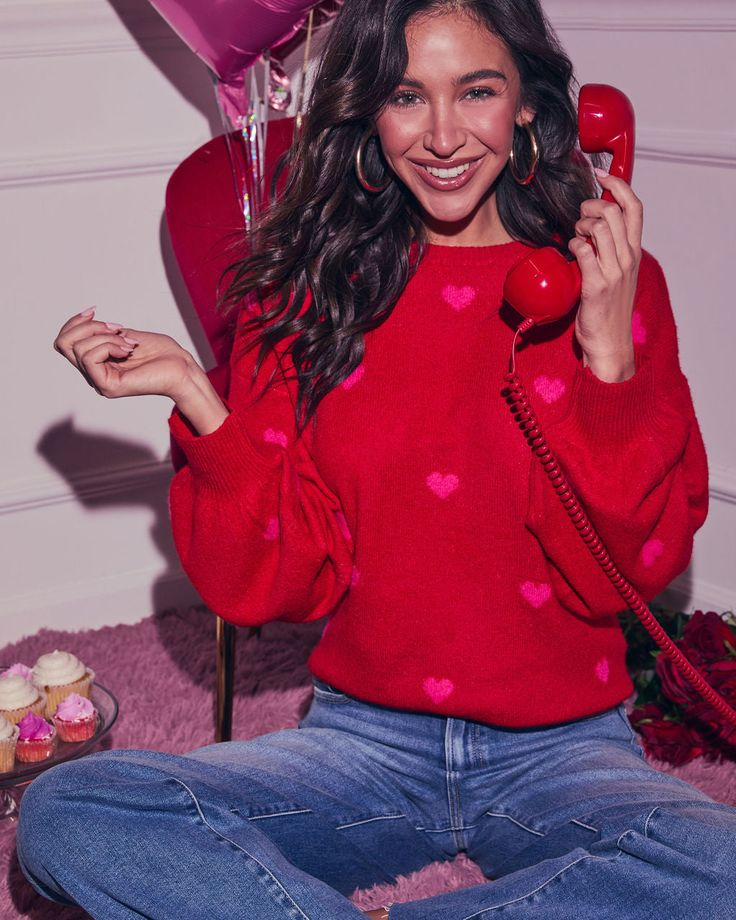
This shift has changed how I interpret Valentine’s Day. Rather than viewing it solely as a holiday for couples, it becomes a broader celebration of loving others and ourselves. We lean towards these fun colors and cozy textures to remind ourselves that warmer and brighter days are coming. There is no single way to dress for the holiday of love, which allows individuals to interpret it in a way that aligns with their personal style. For some, this may mean embracing bold colors or statement pieces. For others, it may be as simple as choosing softer fabrics or dressing with a bit more thought than usual.
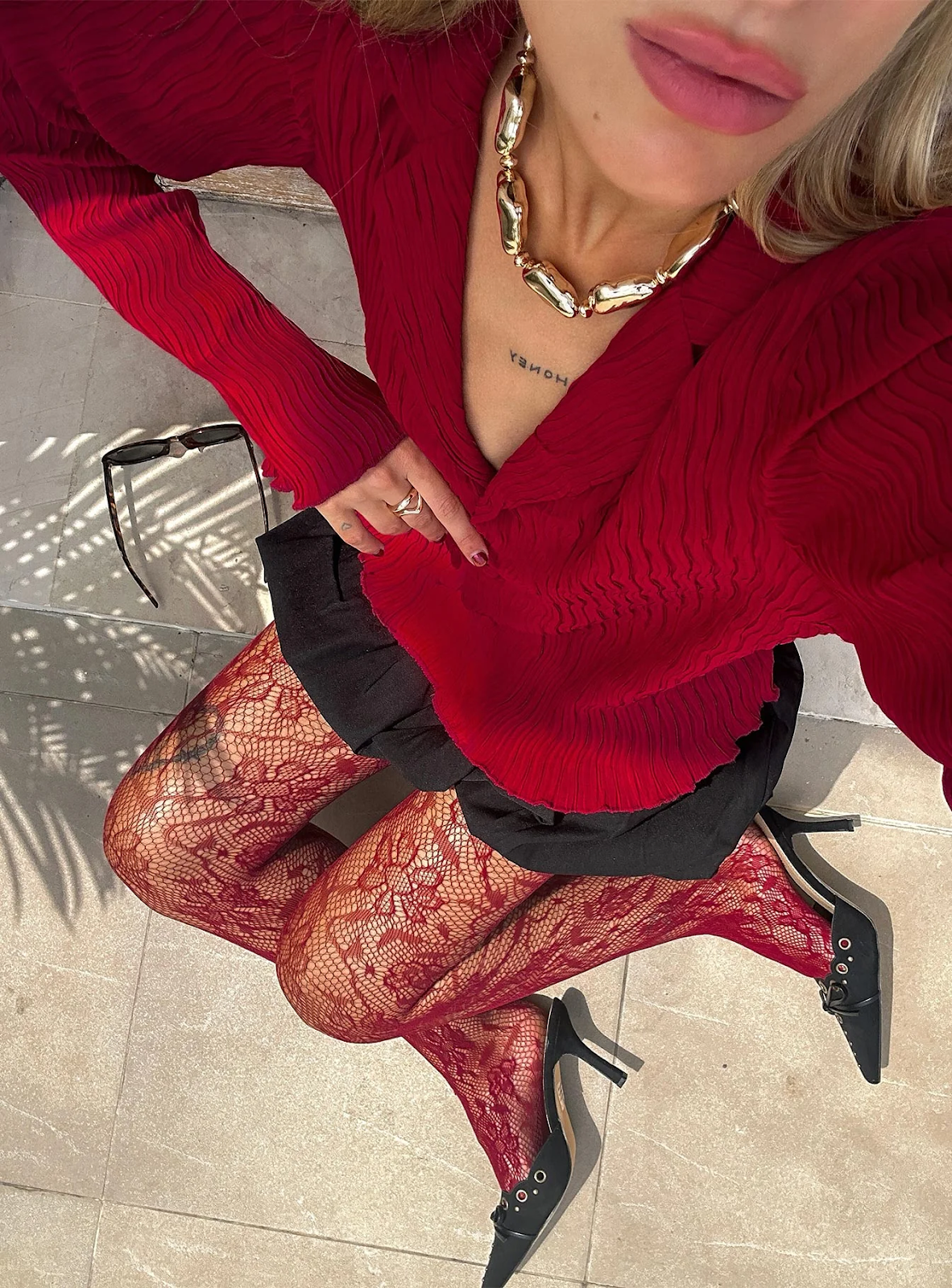
Ultimately, the holiday of love serves as a reminder that fashion connects to the environment and community around it. Even without explicit celebration, the atmosphere surrounding this time of year shapes how people dress, feel, and express themselves. So this year, I encourage you to remember that Valentine’s Day is a celebration of love in all of its forms, including how we express it through what we wear. And if you see somebody dressed in red or pink, you’ll know they are wearing their heart on their sleeve!
Edited by Robin Schleusner